
How To
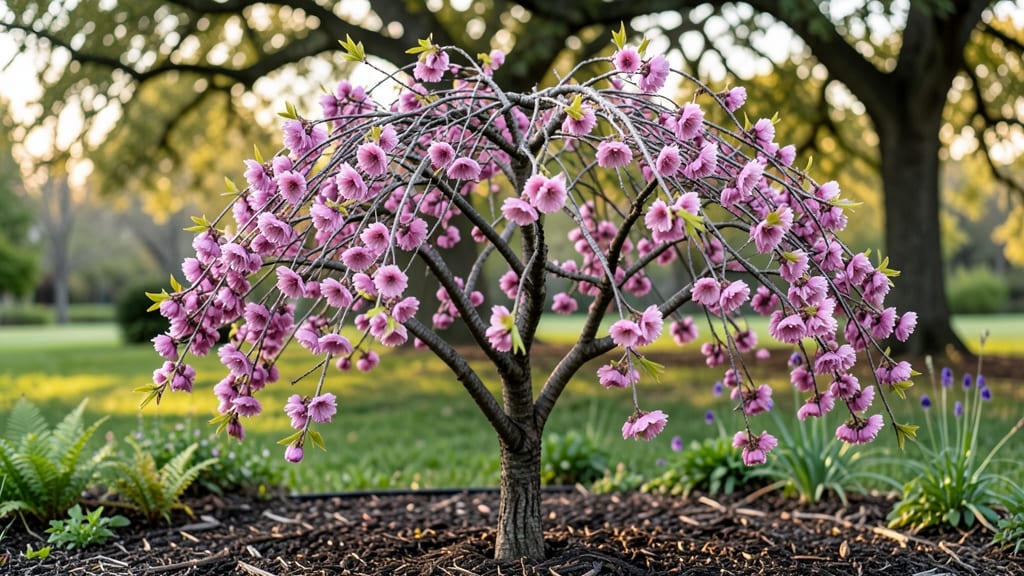
Wondering how tall does a redbud tree grow before it becomes a space hog? This stunning 🌳 can be your springtime showstopper—whether you need a modest 10-foot accent or a dramatic 30-foot focal point, the variety makes all the difference.
The redbud tree’s mature height varies wildly depending on the type you choose. Some stay compact enough for small yards, while others reach towering heights that make them perfect for large landscapes.
If you’re working with limited space, you’ll love the dwarf varieties that cap out around 8-12 feet, but if you’re aiming for a classic shade tree, standard redbuds can soar up to 30 feet.
What’s even better? These trees grow at a steady, predictable pace, so you can plan your garden layout with confidence. Whether you’re planting in USDA Zone 6a or beyond, understanding their growth habits helps you avoid surprises down the road.
Ready to pick the perfect redbud for your space? I’ll break down the exact height ranges by variety and share pro tips for keeping them in check—so you can enjoy those gorgeous pink blooms without the headache of overgrowth.

Redbud tree height by variety: exact mature sizes compared
Choosing a redbud tree (Cercis canadensis) means selecting a springtime showstopper—but not all varieties fit the same space. The Eastern redbud, the most common type, typically reaches 20-30 feet tall at maturity, making it ideal for larger yards or as a focal point.
However, if you're working with limited space, dwarf varieties like 'Covey' or 'Lavender Twist' stay under 12 feet, perfect for small gardens or urban landscapes.
Height isn't the only factor—growth habits vary too. Some varieties grow upright and columnar, while others develop spreading canopies, affecting how they fill your garden. For example, the Western redbud (Cercis occidentalis) stays shorter (10-15 feet) but thrives in drier climates.
Let’s break down the exact heights by variety so you can pick the perfect fit for your landscape.
🌱 Visual Guide: Redbud Tree Height Comparison
The Eastern redbud dominates with its towering height, but don’t overlook the Western redbud if you live in arid regions—it’s more drought-tolerant and stays compact. For urban gardens, dwarf varieties like 'Covey' are game-changers, offering spring blooms without the bulk.
Even the tallest redbuds, like the Eastern variety, grow at a moderate pace (about 1-2 feet per year), so you won’t need to wait decades for that stunning canopy.
When planning your garden, consider not just height but also canopy spread. A 20-foot-tall redbud with a 25-foot spread will cast shade far beyond its trunk—ideal for patios or play areas.
Meanwhile, a dwarf variety like 'Lavender Twist' fits neatly into a 5x5-foot bed while still delivering vibrant foliage and flowers. Always check the mature spread to avoid crowding other plants or structures.
If you’re unsure which variety to choose, start with the Eastern redbud for classic beauty or opt for 'Covey' if space is tight. Both thrive in USDA Zones 4-9 and bloom in early spring, adding pink or purple flowers before the leaves emerge.
Just remember: pruning young can influence final height, so plan accordingly if you’re working with limited space.
Pro tip: Plant redbuds near south-facing walls to maximize sunlight exposure, which encourages healthier growth and more abundant blooms. Pair them with spring bulbs like daffodils or tulips to extend your seasonal color display.
With the right variety, your redbud can become the star of your garden—no matter how big (or small) your space is.
🌿 For even more control over height, stay tuned for our next section on pruning techniques to keep your redbud tree at your ideal size.
Redbud tree height by variety: exact mature sizes compared
Choosing the right redbud tree means knowing its mature height—some varieties stay compact while others reach towering heights. The Eastern redbud (Cercis canadensis), the most common type, typically grows 20-30 feet tall with a 25-35 foot spread, making it ideal for larger yards.
But if space is limited, dwarf varieties like 'Covey' or 'Lavender Twist' offer stunning blooms in just 8-12 feet of height.
For urban gardens or small landscapes, consider semi-dwarf varieties like 'Forest Pansy' (15-20 feet) or 'Ruby Falls' (weeping habit, 10-15 feet). Each variety brings unique colors and growth habits, so let’s compare their exact mature sizes to help you pick the perfect fit for your garden.
| Variety | Mature Height | Spread | Best For |
|---|---|---|---|
| Eastern Redbud | 20-30 ft | 25-35 ft | Large yards, shade trees |
| 'Covey' | 8-12 ft | 10-15 ft | Small gardens, containers |
| 'Forest Pansy' | 15-20 ft | 15-20 ft | Medium yards, borders |
| 'Ruby Falls' | 10-15 ft | 12-18 ft | Weeping effect, small spaces |
| Western Redbud | 10-20 ft | 15-25 ft | Drought-prone areas |
When planning your garden layout, remember that redbud trees grow faster in full sun but can tolerate partial shade. The Western redbud, native to arid regions, stays shorter (10-20 feet) and thrives with minimal water, making it perfect for xeriscaping.
Meanwhile, 'Lavender Twist' offers a compact, twisting form with lavender-pink blooms, ideal for accent planting.
For city dwellers, container-grown redbuds like 'Covey' can be pruned to stay under 8 feet tall while still producing abundant flowers. Just ensure your container has drainage holes and is at least 18 inches wide to support root growth.
Always check the USDA Zone 4-9 hardiness of your chosen variety before planting.
Pro tip: If you love the look of redbuds but need a low-maintenance option, opt for 'Ruby Falls'. Its weeping branches create a stunning focal point without requiring heavy pruning. Just provide well-draining soil and 6+ hours of sunlight daily for best results.
No matter which variety you choose, redbuds reward you with early spring blooms and heart-shaped leaves that turn golden in fall. Their height adaptability makes them a versatile choice for almost any garden—just match the variety to your space!