
How To
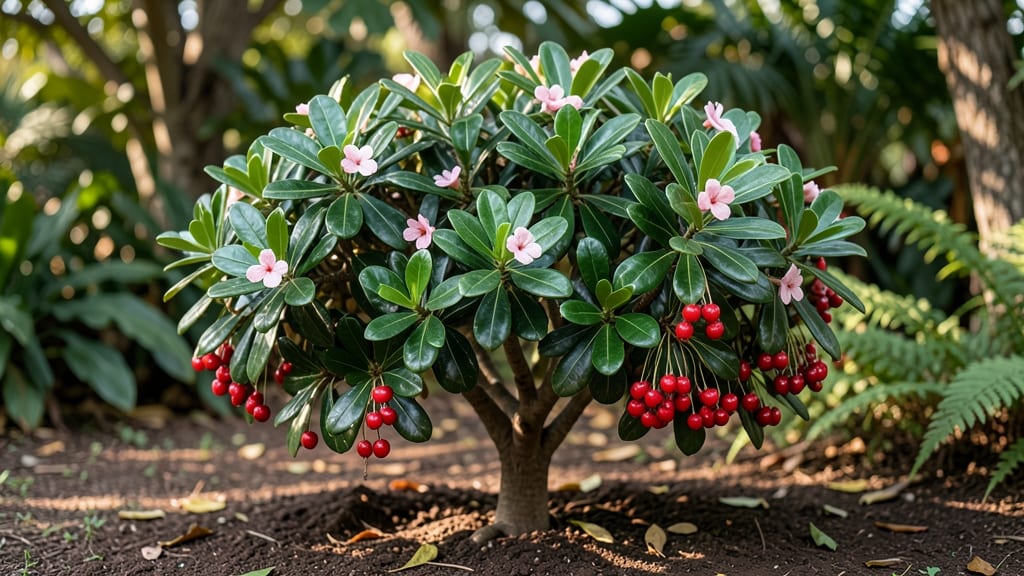
If you're wondering how tall Clusia trees grow, the answer might surprise you—these tropical beauties can stretch from 6 feet to towering 20-foot giants, depending on the variety and care you provide. 🌿 Whether you're dreaming of a lush backyard canopy or a compact patio centerpiece, understanding their growth potential is the first step to creating your ideal tropical oasis.
Clusia trees, often called "Christmas trees" for their glossy evergreen leaves, thrive in USDA Zone 6a and beyond, making them a fantastic choice for warmer climates. But their height isn’t just about location—it’s also about the specific species you choose.
Some stay modest, perfect for small gardens, while others reach impressive heights, dominating landscapes like a natural tropical giant.
What if you love the look of Clusia but worry about space? Don’t stress—with the right pruning and care, you can control their growth and keep them at your desired height.
I’ll show you how to encourage bushier growth or trim them back to fit your space, so you get the beauty without the bulk.
Ready to transform your garden? Let’s dive into the details of Clusia growth—from dwarf varieties to towering tropical giants—and learn how to nurture them into the perfect size for your vision.
Whether you're a seasoned gardener or just starting, these tips will help you grow Clusia trees that match your space and style.

Clusia tree height by variety: from compact to towering giants
Clusia trees, with their glossy leaves and striking foliage, can transform any garden into a tropical oasis—but their mature height varies dramatically. Whether you're planning a small backyard retreat or a large landscape statement, choosing the right variety is key.
Some Clusia species stay compact, perfect for containers, while others grow into towering giants that dominate the landscape.
For example, Clusia rosea, the most common variety, typically reaches 10 to 20 feet at maturity, making it ideal for larger gardens or as a focal point. Meanwhile, dwarf varieties like Clusia minor max out around 6 to 8 feet, perfect for patios or small urban spaces.
The difference in height isn’t just about aesthetics—it also affects how you care for your tree.
Here’s a quick comparison to help you visualize the range:
| Variety | Mature Height (ft) | Growth Rate | Best For |
|---|---|---|---|
| Clusia rosea | 10–20 ft | Moderate to fast | Large gardens, focal points |
| Clusia minor | 6–8 ft | Slow to moderate | Containers, small spaces |
| Clusia grandiflora | 15–25 ft | Fast | Tropical landscapes, large estates |
| Clusia multiflora | 8–12 ft | Moderate | Medium gardens, borders |
| Clusia alata | 12–18 ft | Moderate | Privacy screens, mixed plantings |
If you're unsure which variety to choose, consider your space constraints and long-term vision. For instance, Clusia rosea is a versatile pick—it grows tall enough to create shade but stays manageable with regular pruning.
Meanwhile, Clusia minor is ideal if you’re limited to containers or a small balcony. Always check the nursery label or ask the grower about the expected mature size before purchasing.
Another factor to consider is how quickly these trees grow. Clusia grandiflora, for example, can add 2 to 3 feet per year under ideal conditions, while slower growers like Clusia minor might only gain 6 to 12 inches annually.
This growth rate can help you plan for future maintenance, like pruning or transplanting.
For those in USDA Zones 10–12, Clusia thrives outdoors year-round, but in cooler climates (Zones 9–10), it’s often grown as a container plant that can be moved indoors during winter.
This flexibility means you can enjoy its tropical beauty even in less-than-ideal climates, as long as you account for its mature size when choosing a pot or indoor location.
If you're planning to grow Clusia in a container, opt for dwarf varieties or prune regularly to control height. Containers also limit root growth, which naturally restricts the tree’s height—though you’ll still need to provide enough space for its mature size.
For example, a 6-foot Clusia minor needs at least a 15-gallon pot to thrive without becoming root-bound.
One common mistake is underestimating how much space a Clusia will need as it matures. A 10-foot tree in its first year can easily double in height within 3 to 5 years if given the right conditions.
Always leave extra room for growth, especially if you’re planting near structures like fences or houses.
Finally, remember that pruning and training can significantly influence a Clusia’s height and shape. Regular pruning not only keeps it manageable but also encourages denser foliage and more vibrant leaves.
We’ll dive deeper into pruning techniques in the next section, so stay tuned for tips on shaping your Clusia like a pro! 🌿
Clusia tree height by variety: from compact to towering giants
Clusia trees, also known as Christmas trees, offer a stunning tropical presence in gardens, but their mature heights vary dramatically by variety. Some stay compact at just 6 feet, while others can soar to 20 feet or more—making them perfect for both small yards and large landscapes.
Understanding these differences helps you choose the right variety for your space.
The Clusia rosea, one of the most popular species, typically reaches 10-15 feet at maturity, creating a lush, dense canopy.
Meanwhile, Clusia multiflora can grow even taller, often exceeding 20 feet in ideal conditions, while Clusia minor stays shorter at 6-10 feet, perfect for smaller gardens or container growing.
| Variety | Mature Height | Growth Rate | Best For |
|---|---|---|---|
| Clusia rosea | 10–15 ft | Moderate | Medium gardens, privacy screens |
| Clusia multiflora | 15–20+ ft | Fast | Large landscapes, tropical canopies |
| Clusia minor | 6–10 ft | Slow to moderate | Containers, small yards, bonsai |
| Clusia grandiflora | 12–18 ft | Moderate | Specimen trees, tropical gardens |
If you're working with limited space, Clusia minor or Clusia rosea are excellent choices, while Clusia multiflora thrives in expansive gardens where it can achieve its full height. Even within the same species, factors like pruning, sunlight exposure, and soil quality can influence how tall your Clusia grows.
For container growing, opt for dwarf varieties like Clusia minor and prune regularly to maintain compact growth. Even standard varieties can be kept smaller with consistent topiary pruning or pollarding, which encourages bushier, more manageable shapes. This flexibility makes Clusia a versatile choice for any garden style.
Whether you're aiming for a towering tropical statement or a manageable patio tree, selecting the right variety is the first step. Pair it with the right growing conditions, and you’ll have a Clusia that fits your vision—whether it’s a 6-foot accent plant or a 20-foot canopy.