
Size
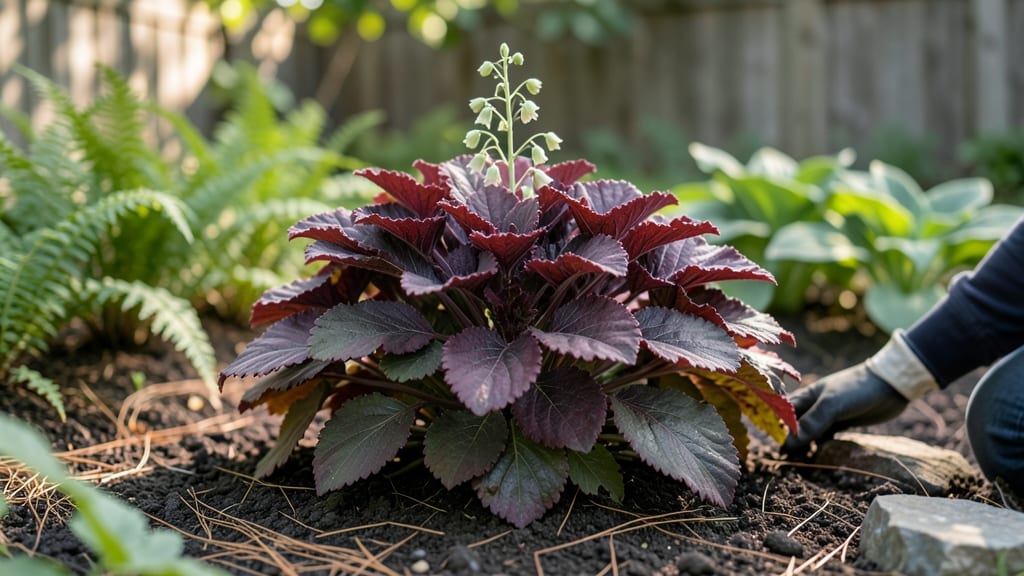
If you’re wondering how tall do coral bells grow, you’ll be surprised by the range—these striking plants can be as petite as 8 inches or tower up to 3 feet depending on the variety.
Whether you’re designing a cozy container garden or a bold border, coral bells offer flexibility that’s hard to beat.
For gardeners with limited space, dwarf varieties like 'Palace Purple' or 'Berry Smoothie' stay under 12 inches, making them perfect for rock gardens or window boxes. Meanwhile, taller types like 'Plum Pudding' reach 24 inches, adding drama to shady corners or woodland gardens.
The key to controlling their height lies in sunlight and soil—too much sun can stretch stems, while rich, well-draining soil helps them stay compact. Pruning in late winter also keeps them tidy and encourages bushier growth.
Ready to choose the perfect size for your space? Let’s break down the best cultivars for your garden’s needs, from ground-hugging beauties to statement-making shrubs.

Coral bells height guide: dwarf varieties for small gardens
Coral bells (Heuchera) are one of the most versatile plants for small gardens, offering dwarf varieties that stay under 12 inches tall while delivering stunning foliage. These compact cultivars are perfect for rock gardens, container planting, or tight borders where space is limited.
Whether you're working with a balcony garden or a sunny windowsill, there’s a coral bell variety that fits your needs.
From the tiny 'Palace Purple' to the vibrant 'Lime Rickey', dwarf coral bells bring year-round color without overwhelming your space. Their slow-growing habit makes them ideal for beginners or gardeners with limited maintenance time.
The key to keeping them small? Proper spacing, pruning, and soil conditions—we’ll cover all of that ahead.
| Variety | Height | Best For | Care Tip |
|---|---|---|---|
| Palace Purple | 8-10 inches | Containers, borders | Pinch back in spring |
| Berry Smoothie | 9-11 inches | Rock gardens, shade | Use well-draining soil |
| Lime Rickey | 10-12 inches | Edging, containers | Water at soil level |
| Greenfinch | 8-10 inches | Shady spots, windowsills | Fertilize lightly in spring |
When planting dwarf coral bells, aim for 6–12 inches of spacing between plants to allow airflow and prevent overcrowding. This spacing ensures each plant has room to maintain its compact shape while still creating a lush, colorful display.
For container gardening, choose pots with drainage holes and use a well-draining potting mix to avoid root rot.
One of the biggest mistakes gardeners make with dwarf coral bells is over-fertilizing, which can lead to taller, leggier growth. Instead, use a balanced fertilizer (10-10-10) sparingly—just once in early spring—to encourage healthy foliage without excessive height.
If you notice your plants stretching toward light, they’re likely getting too much sun or not enough nutrients.
For long-lasting color, deadhead spent flowers in early summer. This simple task redirects energy to foliage production rather than seed development, keeping your coral bells compact and vibrant throughout the season.
Pair dwarf varieties with low-growing companions like ajuga, creeping thyme, or heuchera hybrids to create a stunning, layered look in small spaces.
In USDA Zones 3–9, dwarf coral bells thrive with minimal winter care. A 2–3 inch layer of mulch around the base protects roots from freeze-thaw cycles, while their evergreen or semi-evergreen foliage adds winter interest.
If you live in a harsh winter climate (Zone 3–4), consider lightly covering plants with burlap or straw during extreme cold snaps.
If you’re using coral bells in container gardens, choose shallow but wide pots (10–12 inches in diameter) to accommodate their spreading habit. This setup mimics their natural ground-hugging growth while keeping them easy to move if needed.
For rock gardens, place dwarf varieties in crevices or along edges where their colorful leaves will contrast beautifully with gray stones or moss.
Remember, the smaller the variety, the less maintenance required. Dwarf coral bells are low-maintenance stars for gardeners who love color without the commitment of taller plants. Whether you’re filling a window box or a shady corner, these varieties prove that big impact doesn’t require big space. 🌿
How coral bells height varies by sunlight and soil conditions
One of the most fascinating aspects of growing coral bells (Heuchera) is how their height potential shifts dramatically based on light exposure and soil composition. Unlike rigid shrubs, these plants respond beautifully to environmental cues—meaning you can influence their growth with simple adjustments.
For example, a 'Plum Pudding' cultivar might reach 24 inches in full sun but stay compact at 12 inches in shade.
Sunlight acts as the primary height regulator. Coral bells thrive in partial shade (3-6 hours of sun), where they maintain their signature foliage colors while growing at a balanced 18-24 inch range.
However, when exposed to full sun, their stems elongate to reach 2-3 feet, though the leaves may fade without afternoon shade protection. Conversely, deep shade (less than 3 hours of light) stunts growth to 10-12 inches, creating a ground-hugging carpet.
Soil type plays an equally critical role. In well-draining, loamy soil, coral bells achieve their optimal height for their cultivar, with sturdy stems supporting vibrant foliage.
Heavy clay soil slows growth to 12-18 inches due to poor drainage, while sandy soil can push heights toward 24 inches as roots struggle to anchor. Amending soil with organic matter (like compost) helps balance these extremes, ensuring consistent growth patterns.
| Condition | Height Impact | Cultivar Example |
|---|---|---|
| Full Sun (6+ hrs) | 24-36 inches | 'Plum Pudding' |
| Partial Shade (3-6 hrs) | 18-24 inches | 'Berry Smoothie' |
| Deep Shade (<3 hrs) | 10-12 inches | 'Lime Rickey' |
| Clay Soil | 12-18 inches | 'Palace Purple' |
| Sandy Soil | 20-24 inches | 'Caramel' |
To harness these growth patterns, I recommend testing your site’s conditions by planting 3-5 different cultivars in varied spots. For instance, place 'Green Spice' in full sun and 'Palace Purple' in shade to compare their responses.
If your goal is height control, prioritize afternoon shade and avoid over-fertilizing with nitrogen, which encourages leggy growth. Conversely, for maximized height, supplement with balanced fertilizer (10-10-10) and ensure 6+ hours of morning sun).
Another pro tip: Mulch heavily in spring to retain moisture and slow early-season growth, which helps prevent floppy stems. In containers, coral bells naturally stay 20-25% shorter than their in-ground counterparts due to root restriction—ideal for patios or balconies.
Just ensure pots have drainage holes to avoid root rot, which stunts growth entirely.
Remember, coral bells are perennial, so their height adjustments become permanent over time. If you’re unhappy with your plants’ stature after a year, simply transplant them to a new location with the desired conditions.
With a little experimentation, you’ll master the art of coaxing coral bells to fit your garden’s vision—whether that’s a towering backdrop or a delicate ground cover. 🌿