
How To
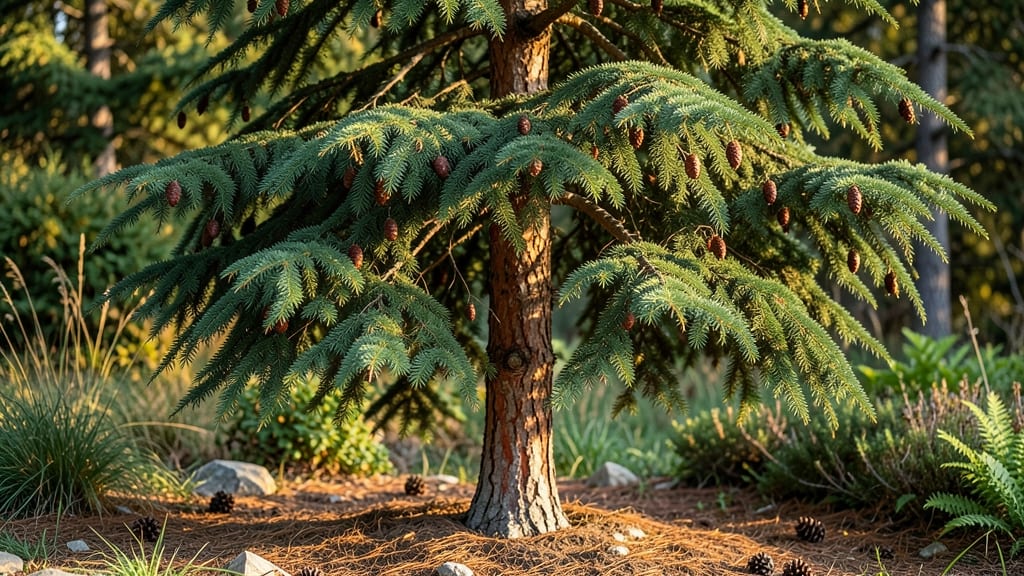
If you’re eyeing an Eastern Red Cedar 🌲 for your yard, you might be wondering: how tall do these trees really grow? The answer could change your entire landscape plan—because some varieties reach 40 feet while others stay much shorter with the right care.
These hardy evergreens are a favorite for privacy screens and windbreaks, but their height varies wildly depending on age, soil, and pruning habits.
I’ll break down exactly what to expect at each growth stage, so you can decide if this tree fits your space—or whether you’ll need to trim it back.
Whether you’re working with a small urban lot or a sprawling rural property, understanding their growth patterns is key. We’ll also cover how pruning can keep them manageable, even when nature wants them towering over your fence.
Ready to plan your landscape with confidence? Let’s dive into the numbers—and how to control them—so your Eastern Red Cedar becomes the perfect (not problematic) addition to your outdoor space.

Eastern Red Cedar height by age: what to expect year by year
If you're planning to add an Eastern Red Cedar (Juniperus virginiana) to your landscape, understanding its growth rate is key to long-term planning. These trees start small but can grow surprisingly fast—especially in ideal conditions.
In just 5 years, a healthy specimen can reach 10 feet tall, while mature trees often exceed 30 feet in height.
The Eastern Red Cedar is one of the fastest-growing native evergreens in North America, with growth rates that vary by region and care. In USDA Zones 5-9, where they thrive, these trees can add 1-2 feet per year during their prime growth years.
However, their final height depends on several factors, including soil quality, sunlight exposure, and whether you prune them regularly.
Here’s how their height progresses over time—from sapling to towering tree—so you can set realistic expectations for your landscape design.
In southern climates (e.g., Zone 8-9), Eastern Red Cedars often reach their maximum height faster due to longer growing seasons.
For example, a tree in Georgia or Florida might hit 20 feet in 10 years, while one in New England may take 15 years to reach the same height. Well-drained soil and full sun exposure are critical for maximizing growth.
If you’re planting near power lines or in a small yard, consider dwarf varieties like 'Blue Rug' or 'Sargentii,' which stay under 10 feet tall even at maturity. These cultivars grow at a slower rate but are perfect for hedges or foundation plantings where space is limited.
One common misconception is that Eastern Red Cedars grow wider than they do tall. While they can spread 10–15 feet wide with age, their vertical growth is often the bigger concern for homeowners.
Regular pruning in late winter can help manage both height and width, keeping the tree proportional to your landscape.
For urban landscapes, where space is at a premium, I recommend planting Eastern Red Cedars at least 15 feet away from structures or other plants. Their aggressive root systems can compete with nearby vegetation, and their mature height can cast dense shade, which may affect smaller plants.
If you’re using them as a windbreak or privacy screen, aim for a 3–5 row planting spaced 8–10 feet apart. This setup will create a natural barrier that reaches full height in 10–15 years, providing year-round coverage.
Pro tip: Monitor your tree’s growth annually by marking its height on a nearby post or using a measuring tape. This helps you track progress and adjust pruning plans as needed.
With the right care, your Eastern Red Cedar can become a stunning focal point in your yard—just be prepared for its impressive stature! 🌲
How pruning affects Eastern Red Cedar height and shape
Pruning is your secret weapon for controlling how tall your Eastern Red Cedar grows. Without pruning, these trees can shoot up to 40 feet tall—taller than most backyards can handle!
But with the right techniques, you can keep them at a manageable 15-25 feet while shaping them into stunning hedges or privacy screens. The key is timing and method.
Timing matters most. I always recommend pruning in late winter or early spring (February to March) when the tree is just waking up from dormancy. This gives it time to heal before summer’s heat stress.
Avoid pruning in fall or winter, as this can leave cuts vulnerable to disease and pests.
Here’s the golden rule: never remove more than 25% of the tree’s foliage in one year. Over-pruning stresses the tree and can stunt its growth or even kill it.
For height control, focus on removing new growth at the tips of branches. This encourages bushier growth lower down, reducing the overall height over time.
Shape matters too. If you’re growing your Eastern Red Cedar as a hedge or screen, prune the outer branches to create a uniform, dense shape.
For a more natural look, let the tree grow freely but trim back any overly aggressive vertical shoots that threaten to make it too tall. Remember, these trees grow 1-2 feet per year, so consistent pruning is key.
For young trees (under 5 years old), focus on structural pruning—removing any crossing or rubbing branches early on. This sets the foundation for a strong, healthy tree that won’t outgrow your space. Older trees can handle more aggressive pruning, but always do it gradually to avoid shock.
One common mistake I see is topping Eastern Red Cedars—cutting the top flat to reduce height quickly. This looks harsh and often leads to weak, leggy growth below. Instead, make angled cuts just above a lateral branch to encourage fuller regrowth. Patience pays off!
With the right pruning approach, your Eastern Red Cedar can stay at a height that fits your landscape—whether you want a tall privacy screen or a compact accent tree. Start small, and your tree will thank you with years of healthy, controlled growth. 🌿