
Trees
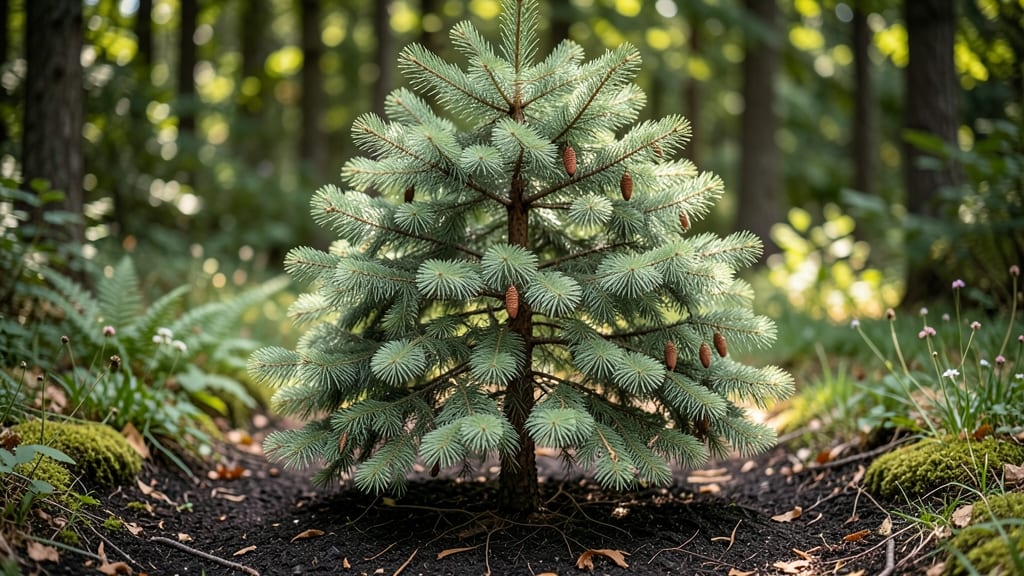
Wondering how tall do hemlock trees grow before they outgrow your backyard? The Eastern Hemlock 🌲, for example, can reach 40 to 75 feet at maturity—taller than most two-story homes! That’s why knowing their growth potential is the first step to planning your landscape.
Not all hemlocks are giants, though. Some varieties stay more manageable, making them perfect for smaller yards. If you're dreaming of shade trees but worried about space, I’ll show you which types fit where—and how fast they’ll get there.
Growth rates vary wildly, too. While some hemlocks grow just 1 to 2 feet per year, others shoot up faster in ideal conditions. I’ll break down the numbers so you can predict how long it’ll take for your tree to reach its full height.
Ready to plant with confidence? Let’s dive into spacing tips, the fastest-growing species, and how to pick the perfect hemlock for your space—without sacrificing beauty for size.

Hemlock tree height by species: from dwarf to giant varieties
Hemlock trees (genus Tsuga) offer an incredible range of mature heights, from towering giants to compact varieties perfect for small gardens. Understanding these differences helps you choose the right species for your space and landscape goals.
The Eastern Hemlock and Western Hemlock dominate the tallest categories, while specialized cultivars provide more manageable options.
For gardeners with limited space, even dwarf hemlock varieties exist, though they're less common than their towering relatives. The key is matching the tree's mature height to your property size and sunlight conditions.
Let's break down the most popular species and their growth expectations to help you plan your planting strategy.
🌲
The Western Hemlock often becomes the tallest species, especially in coastal Pacific Northwest climates where it can reach over 100 feet with ideal conditions. In contrast, the Carolina Hemlock remains one of the most manageable options for suburban gardens, rarely exceeding 40 feet at maturity.
Even the Eastern Hemlock, while impressive, typically stays within a 40-75 foot range when grown in open spaces rather than dense forests.
For gardeners prioritizing fast growth, the Western Hemlock leads with annual increases of up to 15 inches, while slower-growing species like the Mountain Hemlock add just 3-6 inches per year.
This variation means your timeline for enjoying a mature tree can differ dramatically—some species take decades to reach their full height potential.
When selecting a hemlock variety, consider not just height but also your property's sunlight exposure and soil drainage. Most hemlocks prefer partial shade and well-draining soil, though the Carolina Hemlock shows greater tolerance for drier conditions.
This adaptability makes it a favorite for urban landscapes where space is limited but shade is needed.
🌿
One common misconception is that all hemlocks require massive spaces. While the giants certainly do, dwarf cultivars and smaller species prove that you can enjoy hemlocks in containers or small yards.
For example, the weeping Eastern Hemlock (Tsuga canadensis 'Pendula') stays under 20 feet while adding elegant texture to foundation plantings. This variety demonstrates how height isn't the only factor—growth habit matters just as much for landscape design.
If you're planning to plant multiple hemlock trees, spacing becomes critical. The Eastern Hemlock needs at least 20 feet of clearance from structures and other trees to prevent root competition.
For the Western Hemlock, increase this to 30-40 feet to accommodate its potential height. Proper spacing ensures each tree has room to develop its full canopy without crowding neighbors.
🌳
How fast do hemlock trees grow to their maximum height?
Hemlock trees are known for their steady, reliable growth—but how quickly do they reach their towering heights? The answer varies by species, with some varieties gaining 1-2 feet per year while others grow twice as fast under ideal conditions.
For example, the Eastern Hemlock typically grows 12-24 inches annually, while the faster-growing Western Hemlock can reach 2 feet per year in optimal climates. Understanding these growth rates helps you plan for long-term space needs and landscape design.
Growth speed depends heavily on soil quality, sunlight exposure, and climate conditions. Hemlocks thrive in well-draining, acidic soil with partial shade, but they’ll grow faster when given 6+ hours of filtered sunlight daily.
In cooler, wetter climates like the Pacific Northwest, Western Hemlocks may grow 30% faster than their Eastern counterparts in drier regions. Even small differences in care can significantly impact how quickly your tree reaches maturity.
Here’s a quick look at how height progresses over time for the most common hemlock species:
If you’re planting hemlocks in a smaller yard, consider dwarf cultivars like ‘Little Gem’ (reaching 15-20 feet at maturity) or ‘Pendula’ (weeping varieties that stay under 25 feet).
These slower-growing options let you enjoy the beauty of hemlocks without overwhelming your space. Just be patient—even dwarf varieties take 10-15 years to reach their full height.
For faster results, prioritize well-draining soil, consistent moisture, and protection from strong winds. Mulching around the base and fertilizing in early spring can boost growth by 20-30% during the first decade.
Remember, though—hemlocks are long-lived trees. A 100-foot Western Hemlock could take 50+ years to reach its full height, so plan accordingly!
🌲