
How To
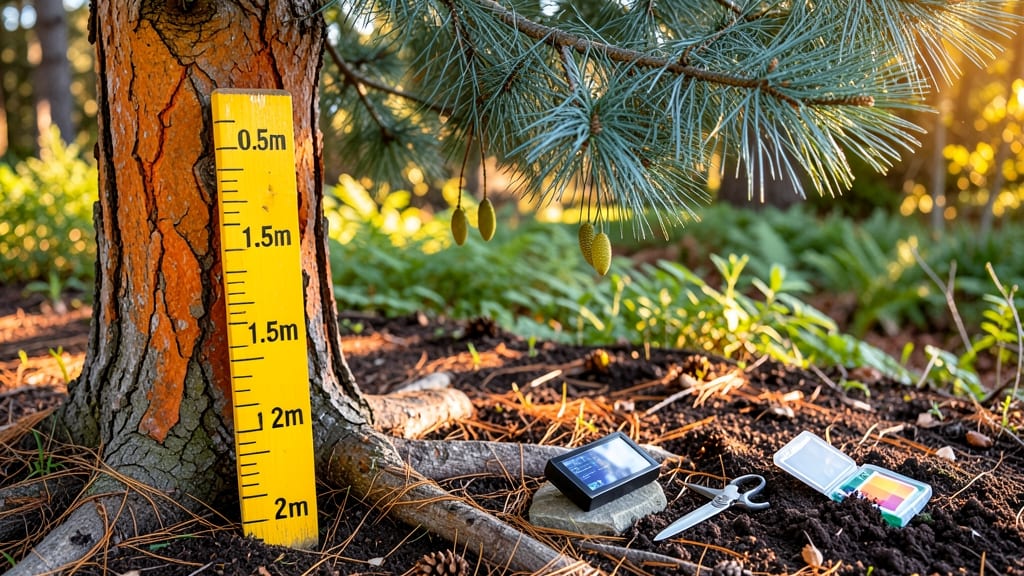
If you're dreaming of a towering 🌲 Pine Tree that adds majesty to your landscape, you might be wondering how tall does a pine tree grow per year. The answer varies wildly—some species shoot up 3 feet per year, while others grow just 6 inches annually.
Knowing these growth rates isn't just about patience; it's about planning the perfect spot for your tree now so it thrives for decades.
Pine trees in USDA Zone 6a can reach their full potential with the right conditions, but their growth speed depends on more than just time. Soil quality, sunlight exposure, and even the specific species play a huge role.
Whether you're planting in late spring or nurturing a sapling, understanding these factors will help you predict how quickly your tree will grow—and how much space it'll need.
Let's break down the fastest-growing pine varieties and what you can expect from each. From the Ponderosa Pine, which can grow 2 feet per year in ideal conditions, to slower but still impressive species, we'll cover everything you need to know.
Plus, I'll share tips to maximize growth and avoid common mistakes that could stunt your tree's progress.
Ready to turn your backyard into a pine-filled paradise? By the end of this guide, you'll know exactly how tall your tree could be in 5 years, 10 years, or even its mature height. Let's get growing!

Fastest-growing pine tree species and their annual height increases
If you're planting a pine tree, knowing its growth rate is crucial for long-term planning. Some species like the Ponderosa pine can grow 2-3 feet per year in ideal conditions, while others like the Eastern white pine grow just 1 foot annually.
The difference comes down to species, climate, and care—let’s break it down by the fastest growers first.
Fast growth doesn’t always mean the tallest mature size. For example, the Lodgepole pine shoots up quickly but stays under 100 feet, while the Sugar pine grows slower but can reach 200 feet. Your choice depends on whether you prioritize speed or height potential.
Here’s how the top 10 fastest-growing pine species compare in their first decade, with real-world growth data from forestry studies:
| Species | Annual Growth (Ft/Year) | Height at 10 Years | Mature Height |
|---|---|---|---|
| Slash Pine | 2.5–3.5 ft | 25–35 ft | 60–80 ft |
| Lodgepole Pine | 2–3 ft | 20–30 ft | 80–100 ft |
| Ponderosa Pine | 1.5–2.5 ft | 15–25 ft | 100–165 ft |
| Shortleaf Pine | 1–2 ft | 10–20 ft | 60–90 ft |
| Virginia Pine | 0.8–1.5 ft | 8–15 ft | 40–70 ft |
| Eastern White Pine | 0.5–1 ft | 5–10 ft | 50–80 ft |
| Jack Pine | 1–1.5 ft | 10–15 ft | 50–70 ft |
| Scots Pine | 0.8–1.2 ft | 8–12 ft | 60–100 ft |
| Red Pine | 0.5–1 ft | 5–10 ft | 50–80 ft |
| Mugo Pine (Dwarf) | 0.2–0.5 ft | 2–5 ft | 8–15 ft |
The Slash pine and Lodgepole pine are the fastest growers, making them ideal for quick privacy screens or windbreaks. If you’re in a USDA Zone 7 or warmer, these species thrive with minimal care. For cooler climates, the Ponderosa pine offers a balance of speed and hardiness.
Pro tip: Plant in well-draining soil with full sun exposure to maximize growth. Avoid compacted or waterlogged areas, as pine roots rot easily when overwatered. Mulch with pine needles or bark to retain moisture and mimic their natural habitat.
For a visual reference, here’s how a Slash pine grows over time (first 10 years): Year 1 (3 ft), Year 3 (9 ft), Year 5 (15 ft), Year 10 (30 ft). That’s 3 feet per year on average—perfect for filling space quickly!
If you’re planning for the long term, consider the Sugar pine or Ponderosa pine, which may grow slower but reach double-digit heights over decades. These are the giants of the pine world, but they require ample space and patience.
🌲
How to estimate your pine tree’s future height based on current growth
Predicting how tall your pine tree will grow requires more than guessing—it’s about reading its growth patterns and understanding its species. Most pine trees grow fastest in their first 10 years, with standard varieties adding 1-3 feet annually during this period.
For example, a Ponderosa pine might grow 2 feet per year in ideal conditions, while a dwarf pine like Mugo could only add 2-4 inches annually. Your tree’s current growth rate is your best clue to its future height.
Start by measuring your pine tree’s height each year using a measuring tape or growth chart. Record the height at the same time annually (early spring before new growth).
For instance, if your Lodgepole pine grows 18 inches in its first year, you can estimate it’ll reach 60 feet in 30 years if it maintains that pace. However, growth slows dramatically after 15-20 years, so early growth is the most reliable predictor.
🚨 CALLOUT WARNING 🚨
- Overestimating based on fast early growth—most pines slow after 10 years.
- Ignoring root competition—crowded roots stunt growth by 30-50%.
- Assuming identical conditions—drought or poor soil can cut growth in half.
Pro Tip: Use USDA hardiness zone data—pines in Zone 5 grow 20% slower than those in Zone 8.
🌲
Use growth rings for a more precise estimate. Cut a small section of a fallen branch and count the rings—each ring represents one year of growth. Compare the width of rings from the last 5 years to the average.
Wider rings mean faster growth; narrow rings signal stress. For example, if your White pine has 0.5-inch rings over the past 5 years, it’s likely growing 6 inches per year.
Climate plays a huge role—pines in coastal regions (like Slash pine) grow 30% faster due to higher humidity and mild winters. In contrast, mountain pines (like Bristlecone) grow just 1-2 inches per year due to harsh conditions.
Always factor in your local average annual rainfall and temperature extremes when estimating future height.
For a quick estimate, multiply your tree’s current height by its growth multiplier. Fast growers (like Ponderosa) have a 1.5x multiplier, while slow growers (like Dwarf Alberta Spruce) use 0.5x.
For example, a 10-foot Ponderosa pine with a 1.5x multiplier could reach 150 feet at maturity—though realistically, it’ll top out around 100 feet due to slowing growth.
Finally, consult a local nursery or arborist for species-specific data. They can provide growth curves for your pine type and adjust predictions based on your soil type and microclimate. With these tools, you’ll go from guessing to accurate planning for your pine tree’s future height! 🌿