
Trees
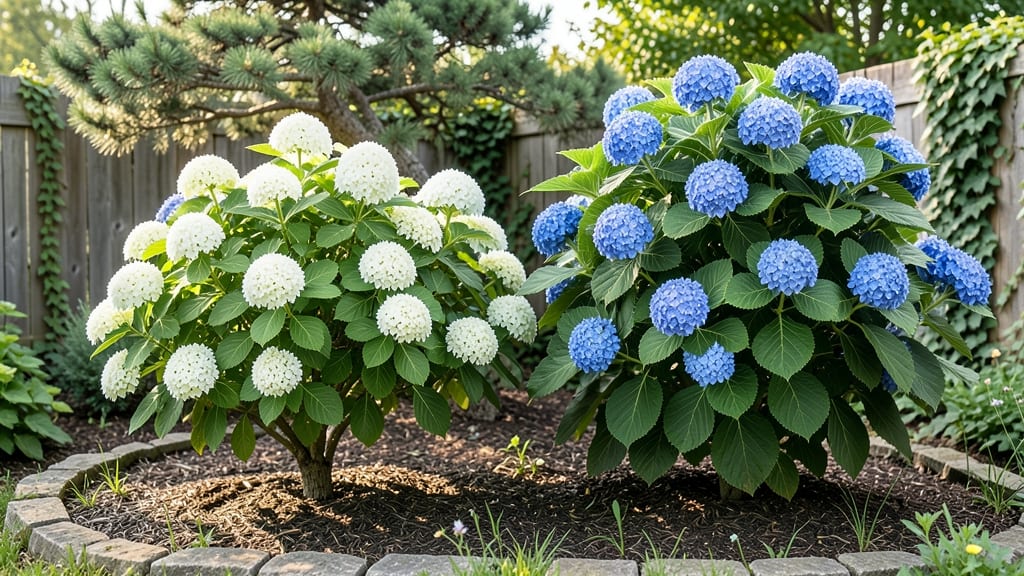
Wondering how tall do hydrangea trees grow before they become that stunning focal point in your yard? The answer might surprise you—these beauties range from petite shrubs to towering giants, depending on the variety.
Whether you're working with a small garden or a sprawling landscape, choosing the right size is key to getting the drama you want without the maintenance headaches.
Some hydrangea trees, like the Hydrangea arborescens (smooth hydrangea), stay compact at just 3–5 feet, perfect for borders or containers. On the other end of the spectrum, varieties like Hydrangea paniculata can soar to 10–15 feet, making them small trees that add year-round structure to your outdoor space.
The good news? With the right pruning and care, you can even influence their growth to fit your vision.
But here’s the catch: growth habits vary wildly. Some cultivars grow upright like sentinels, while others spread out like lush umbrellas. Climate plays a role too—cooler zones like USDA 6a might see slower growth, while warmer areas can push these plants to reach their full potential faster.
The key is understanding your space, your climate, and how much upkeep you’re willing to commit to.
Ready to pick the perfect hydrangea for your garden? I’ll break down the tallest, shortest, and everything in between—plus tips to keep them thriving at any size. Let’s get started!

Hydrangea tree height guide: dwarf to giant cultivars compared
Hydrangeas aren’t just one-size-fits-all plants—they range from dwarf shrubs that fit cozy containers to tree-like giants that dominate backyard landscapes. Understanding these height differences helps you pick the perfect variety for your space, whether you want a privacy screen, a garden focal point, or a blooming border.
The key lies in the species and cultivar, as Hydrangea paniculata (panicle hydrangeas) often grow taller than Hydrangea arborescens (smooth hydrangeas) or Hydrangea macrophylla (bigleaf hydrangeas).
For example, the ‘Annabelle’ cultivar stays compact at 3–5 feet, while ‘Limelight’ can soar to 12–15 feet with proper care. Even within the same species, growth habits vary—some spread wide, others grow upright like small trees.
Let’s break down the height ranges and growth habits of the most popular cultivars to help you visualize their mature sizes.
📊 Visual Size Comparison: Imagine a ‘Little Lime’ panicle hydrangea standing at 6 feet tall—about the height of an average door. Now picture a ‘Grandiflora’ reaching 10–12 feet, towering over a child’s head like a living sculpture. These comparisons make it easier to plan your garden layout without guesswork.
Panicle hydrangeas like ‘Limelight’ and ‘Grandiflora’ often grow the tallest, reaching tree-like proportions with proper care. Their upright growth makes them ideal for vertical accents or backyard privacy. In contrast, smooth hydrangeas like ‘Annabelle’ stay low and bushy, perfect for container gardens or front-of-border plantings.
The bigleaf hydrangeas, such as ‘Endless Summer’, strike a balance at 4–6 feet, offering versatility for mixed borders.
One factor that dramatically affects height is pruning. If you skip pruning, a ‘Little Lime’ could easily exceed 8 feet, while regular pruning keeps it at a manageable 6 feet.
For tree-like hydrangeas, prune in late winter or early spring to shape growth and encourage larger blooms. Always use clean, sharp pruners and remove dead or crossing branches first to maintain a healthy structure.
Climate also plays a role—hydrangeas in warmer zones (USDA 7–9) may grow 1–2 feet taller than those in cooler zones (USDA 5–6). For example, a ‘Limelight’ in Zone 8 might hit 12 feet, while the same plant in Zone 6 could max out at 10 feet.
If you’re in a cooler region, choose dwarf cultivars like ‘Bobo’ (3 feet) to ensure they thrive without outgrowing their space.
Pro tip: Check the cultivar’s tags when shopping—some nurseries sell grafted hydrangeas that grow faster but may revert to their rootstock’s size. For guaranteed height control, opt for container-grown plants labeled with their mature size. This way, you avoid surprises and ensure your hydrangea fits your vision.
Ready to pick the perfect size? In the next section, we’ll dive into how to choose the right hydrangea for your garden layout, including spacing tips and pruning schedules to keep your plants at your desired height. 🌿
How to choose the right hydrangea size for your landscape
Selecting the perfect hydrangea for your garden starts with matching its mature size to your space.
A dwarf hydrangea like ‘Little Lime’ stays under 5 feet, making it ideal for small yards or container gardens, while tall varieties like ‘Grandiflora’ can reach 10–15 feet, perfect for privacy screens or focal points.
Consider your garden’s layout—upright growers (e.g., ‘Limelight’) thrive in narrow beds, while mounding types (e.g., ‘Annabelle’) fill wider areas beautifully.
Sunlight needs also influence size. Panicle hydrangeas (like ‘Tardiva’) tolerate full sun and grow faster, while bigleaf varieties (e.g., ‘Nikko Blue’) prefer partial shade and may stay slightly smaller. If your garden gets intense afternoon sun, opt for sun-loving cultivars to avoid stunted growth or leaf scorch.
Always check the USDA zone compatibility—most hydrangeas thrive in zones 4–9, but some dwarf varieties extend to zone 3.
Pruning plays a huge role in managing height. Dwarf hydrangeas rarely need pruning, but larger varieties benefit from late-winter cuts to control size and encourage blooms.
For example, ‘Endless Summer’ blooms on old and new wood, so prune lightly after flowering, while ‘Panicle’ types bloom on new wood and can be pruned more aggressively in early spring. Always use sterilized shears to prevent disease spread.
🌿 Hydrangea Size Guide by Garden Use
- 🏡 Foundation Planting: Choose 5–8 ft varieties like ‘Grandiflora’ for curb appeal without overwhelming the house.
- 🌳 Privacy Screen: Plant 10–15 ft ‘Panicle’ types (e.g., ‘Limelight’) in a row for a lush, seasonal barrier.
- 🪴 Container Gardening: Dwarf ‘Little Lime’ or ‘Mini Penny’ (3–4 ft) thrive in large pots on patios.
- 🌸 Cut Flowers: Tall ‘Vanille Fraise’ (6–8 ft) provides long stems for arrangements.
- 🌿 Woodland Garden: Shade-tolerant ‘Nikko Blue’ (4–6 ft) adds color under trees.
Spacing is critical to avoid competition. Plant dwarf hydrangeas 3–4 feet apart, while standard trees need 8–10 feet of space to mature without crowding. Grouping plants by size also simplifies maintenance—taller varieties in the back, shorter ones in front.
For example, pair ‘Annabelle’ (4–5 ft) with perennials like coneflowers to create a layered, low-maintenance border.
Soil quality affects growth too. Amend heavy clay with compost or sand to improve drainage, and mulch annually to retain moisture. Hydrangeas love acidic to neutral soil (pH 5.5–6.5), so test your soil and adjust with sulfur or lime if needed.
Over time, this ensures your hydrangea reaches its full genetic potential without stress.
If you’re unsure which size to pick, start with a medium-height variety like ‘Bobo’ (3–4 ft) or ‘Cityline Paris’ (4–5 ft). These offer flexibility—they fit most spaces and can be pruned to keep them smaller.
For bold statements, go for ‘Grandiflora’ or ‘Limelight’, but be prepared for their 10–15 ft mature height. Either way, your garden will thank you for the thoughtful planning! 🌸