
How To
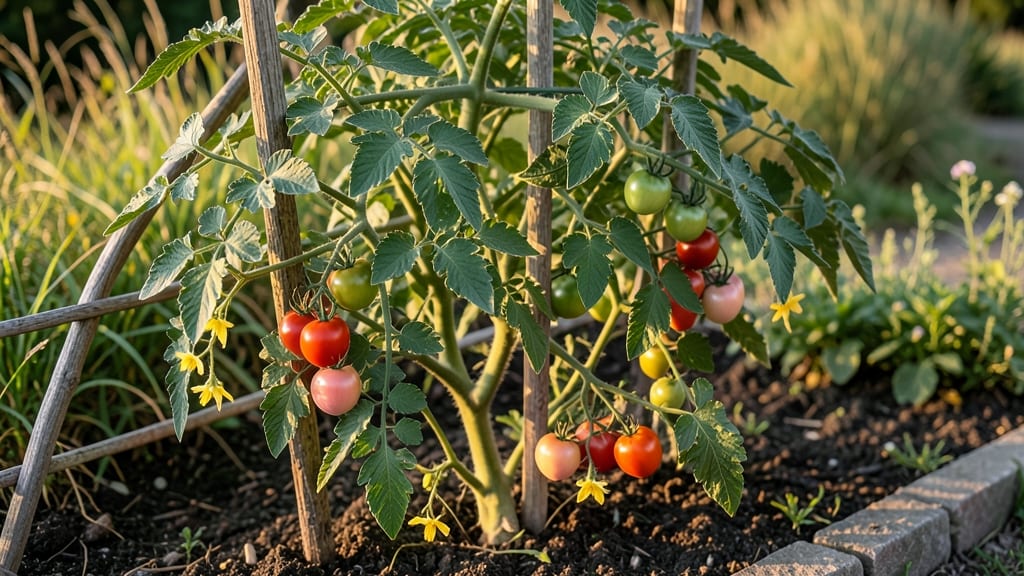
If you’ve ever stared at your 🍅 tomato plants and wondered, "How tall do tomato plants grow?"—you’re not alone. Some varieties barely reach knee height, while others stretch taller than you can comfortably reach, and that difference isn’t just about space.
It’s about yield, care, and even how you’ll support them before they topple under their own weight.
The truth is, tomato heights vary wildly—from dwarf varieties that max out at 1-3 feet to towering indeterminate giants that can climb 10 feet or more if left unchecked.
Whether you’re working with a tiny balcony garden or a sprawling backyard, understanding these differences is the key to planning your space, choosing the right varieties, and avoiding common pitfalls like overcrowding or broken stems.
But here’s the game-changer: height isn’t just about genetics. Pruning, trellises, and even your local climate can push a plant to grow taller—or keep it compact.
I’ll break down the exact height ranges for popular varieties, share pro tips for managing growth, and help you pick the perfect tomatoes for your garden’s layout. Let’s get growing!
Ready to turn your tomato patch from a wild jungle into a well-organized, high-yielding dream? You’ll learn how to control height, maximize fruit production, and save yourself from the headache of untamed vines. Let’s dive in.

Tomato plant height ranges: from dwarf varieties to towering giants
Tomato plants come in a stunning array of heights, from dwarf varieties that stay under 2 feet to indeterminate giants that can climb 12 feet or more. This diversity isn’t just fascinating—it directly affects how you plan your garden, choose support structures, and even harvest your tomatoes.
Let’s break down the four main height categories so you can pick the perfect variety for your space and goals.
First, dwarf tomatoes (1–3 feet tall) are ideal for containers, small balconies, or crowded gardens. Varieties like 'Tiny Tim' or 'Patio' produce abundant fruit without needing much space. These are perfect if you’re short on room or prefer easy access for picking.
The trade-off? You’ll get fewer tomatoes per plant compared to larger varieties, but they’re incredibly low-maintenance.
Compact tomatoes (3–5 feet tall) strike a balance, offering more yield while still fitting into smaller gardens or large pots. Examples include 'Roma' or 'Better Boy' (when pruned). These varieties often require small cages or stakes but won’t overwhelm your space. They’re a great middle-ground choice for beginners or urban gardeners.
Now, here’s where things get exciting: indeterminate tomatoes (6–12+ feet tall) are the sky-scrapers of the tomato world. Varieties like 'Sungold', 'Brandywine', or 'Cherokee Purple' grow continuously throughout the season, producing fruit until frost.
However, they need strong trellises, stakes, or cages to support their weight. Without proper support, these vines can flop, leading to disease and lost harvests.
The rarest category is giant tomatoes, which can exceed 15 feet in ideal conditions. While not common in home gardens, varieties like 'Arkansas Traveler' or 'Mammoth' have been known to reach record heights with exceptional care.
These are more of a novelty for experienced gardeners with plenty of vertical space and patience for training.
| Variety Type | Height Range | Growth Habit | Ideal Spacing | Support Needed |
|---|---|---|---|---|
| Dwarf | 1–3 ft | Bushy, self-supporting | 12–18 inches apart | None (or small pot) |
| Compact | 3–5 ft | Bushy to semi-vining | 18–24 inches apart | Small cage or stake |
| Indeterminate | 6–12+ ft | Vining, continuous growth | 24–36 inches apart | Trellis, stakes, or cages |
| Giant | 12–15+ ft | Extreme vining | 36+ inches apart | Heavy-duty trellis |
Choosing the right height for your garden isn’t just about space—it’s also about yield potential and ease of care. For example, indeterminate varieties produce fruit all season but require more maintenance, while dwarf varieties are low-maintenance but yield less.
If you’re new to gardening, start with compact or dwarf varieties to build confidence before tackling towering indeterminates.
Another key factor is your climate and growing season length. In shorter seasons (like Zone 5 or cooler regions), indeterminate varieties might not reach their full height before frost, so determinate or semi-determinate types are often better choices.
Conversely, in warm climates with long growing seasons, indeterminate tomatoes thrive and produce abundantly.
Proper spacing and support are critical for taller varieties. Crowding plants leads to poor air circulation, increasing the risk of blight and other diseases. Always follow the spacing guidelines for each variety, and invest in sturdy supports early—waiting until plants are large to add stakes can damage roots.
For indeterminate varieties, consider vertical trellises to save space and improve fruit quality by reducing soil-borne diseases.
Finally, don’t overlook the role of pruning and training
Tomato plant height ranges: from dwarf varieties to towering giants
Tomato plants come in stunning diversity, from bush-sized dwarfs to sky-scraping giants. Their height isn’t random—it’s tied to their genetic growth habits and how you care for them. Understanding these differences helps you plan your garden layout, choose the right support structures, and even predict yield potential.
Let’s break down the four main height categories you’ll encounter in your garden.
First, there are dwarf varieties, perfect for container gardening or small spaces. These stay between 1 to 3 feet tall and produce compact fruit clusters. Examples like 'Tiny Tim' or 'Patio Princess' are ideal if you’re short on space but still want a reliable harvest.
Their smaller size also makes them easier to manage and protect from pests.
| Variety Type | Height Range | Growth Habit | Spacing Needs |
|---|---|---|---|
| Dwarf | 1–3 ft | Bushy, self-supporting | 12–18 inches apart |
| Compact | 3–4 ft | Semi-determinate, moderate spread | 24–30 inches apart |
| Indeterminate | 6–10+ ft | Vining, continuous growth | 36–48 inches apart |
| Giant/Heirloom | 8–12+ ft | Indeterminate, vigorous | 48+ inches apart |
Next, compact varieties bridge the gap between dwarfs and tall types, reaching 3 to 4 feet tall. These are determinate (bushy) but larger than dwarfs, making them great for small gardens or raised beds.
Varieties like 'Roma' or 'Celebrity' produce heavy fruit loads without requiring much vertical space. Their moderate height also makes them easier to harvest than their towering cousins.
For those with vertical space or a large garden, indeterminate varieties are the stars of the show. These continuous growers can reach 6 to 10 feet tall (or even higher with proper care!).
Classics like 'Sungold' or 'Brandywine' produce fruit all season long, but they need strong support like trellises or cages. Their vining habit also makes them ideal for greenhouse growing or balcony gardens with vertical setups.
Lastly, giant heirloom varieties push the limits, often exceeding 8 feet in height. These monster growers like 'Cherokee Purple' or 'Black Krim' require serious support and pruning discipline to manage their size.
While they demand more space and effort, their unique flavors and showstopping fruit make them worth the extra work for dedicated gardeners.
Remember, a tomato’s final height depends on more than just its genetics. Factors like pruning practices, nutrient availability, and growing conditions can all influence how tall your plants become.
With the right care, even a dwarf variety can stretch a little taller, while an indeterminate plant might stay shorter if pruned aggressively. The key is to choose wisely based on your space and goals.