
Trees
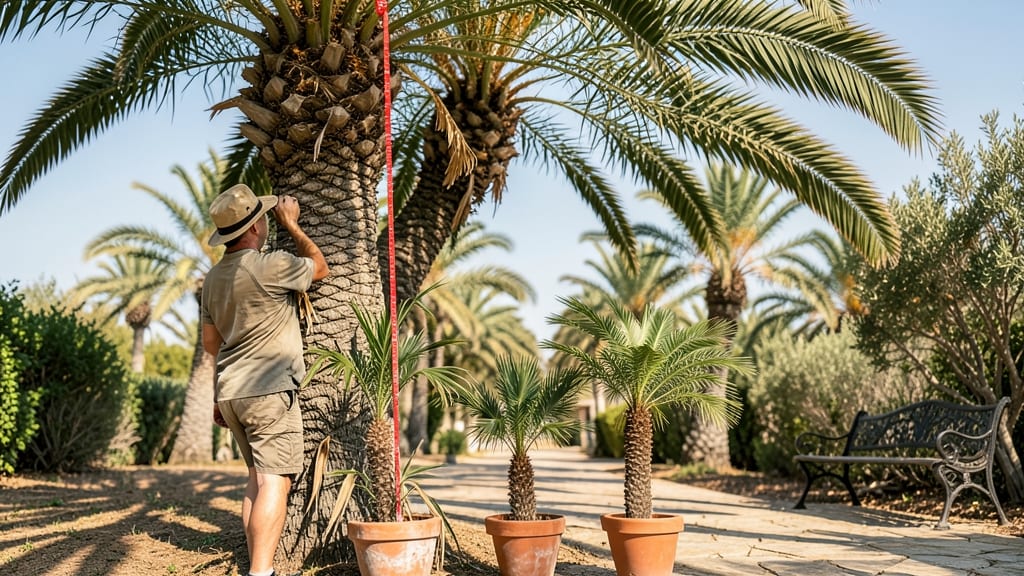
If you're wondering how tall does palm trees grow, the answer might surprise you—some stay small enough for your patio, while others become towering giants that dominate entire landscapes.
Whether you're planning a backyard retreat or a container garden, knowing these height ranges is the first step to picking the perfect variety for your space.
Palm trees span an incredible spectrum, from dwarf varieties that barely reach your shoulders to royal palms that can soar over 100 feet—taller than most two-story homes.
The right choice depends on your climate, available space, and long-term vision for your garden, so let's break down what to expect from each type.
Growth isn't just about genetics—sunlight, soil quality, and even watering habits can push a palm toward its full potential or keep it on the smaller side.
I'll share the key factors that influence height and how you can guide your tree's development, whether you're dreaming of a tropical skyline or just want a low-maintenance accent plant.
Ready to find the perfect fit? Let's explore the world of palm trees—where every variety tells a story of sun, soil, and sky-high aspirations.

Palm tree height ranges: from dwarf to sky-scraping giants
Choosing a palm tree for your landscape starts with understanding their mature height ranges. Some varieties stay under 15 feet, perfect for containers or small yards, while others can reach 100 feet or more—ideal for large estates or tropical resorts.
The key is matching the palm tree variety to your space and climate. Let’s break down the height categories with real-world examples to help you visualize their growth potential.
Palm trees are often divided into five height categories: dwarf, small, medium, large, and giant. Each category serves different landscaping needs, from urban patios to sprawling gardens.
For instance, a dwarf palm like the Pygmy Date Palm tops out at just 6 feet, while a giant palm like the Coconut Palm can soar to 100 feet or taller. Your choice depends on available space, sunlight, and even local building codes.
Before selecting a palm tree, consider your property’s vertical space. A 30-foot palm in a suburban backyard might obstruct power lines or clash with neighboring homes. Conversely, a 15-foot palm in a courtyard adds tropical charm without overwhelming the area.
Always measure your space and research the mature height of potential varieties to avoid future regrets. For example, the Mediterranean Fan Palm grows to 20-25 feet, making it a versatile choice for medium-sized yards.
Climate plays a crucial role in palm tree growth. Some varieties, like the California Fan Palm, thrive in USDA Zones 8-11 and reach 30-50 feet, while others, such as the Windmill Palm, prefer Zones 10-11 and grow to 15-20 feet.
Always check the hardiness zone compatibility of your chosen palm to ensure it reaches its full height potential. For instance, planting a Coconut Palm in Zone 7 will stunt its growth compared to its tropical native habitat.
Now, let’s dive into the height ranges with a comparison table to help you visualize which palm fits your landscape goals.
If you’re working with limited space, dwarf and small palms are your best bets. For example, the Pygmy Date Palm grows slowly to 6 feet, making it ideal for container gardening on balconies or patios.
Its compact size also means it requires minimal pruning, saving you time and effort. Pair it with well-draining soil and full sun to encourage healthy growth without height spikes.
For medium-sized yards, medium-height palms like the Canary Island Date Palm strike the perfect balance. This variety grows to 30-50 feet and thrives in USDA Zones 9-11, making it a staple in coastal landscapes.
Its arching fronds add dramatic flair, while its moderate growth rate means you won’t need to replant every few years. Just ensure you have enough vertical clearance, especially if nearby power lines are a concern.
Large and giant palms are best suited for spacious properties or tropical climates. The Royal Palm, for instance, can reach 60-100 feet and is a symbol of grandeur in Florida and California landscapes.
However, its massive size requires ample root space and regular maintenance to prevent damage from storms or high winds. If you’re drawn to these giants, consider planting them near open areas where they can grow unimpeded.
Palm tree height ranges: from dwarf to sky-scraping giants
Choosing the right palm tree depends entirely on your space and vision. Some varieties barely reach waist height, perfect for containers or small patios, while others grow taller than a three-story building, making them centerpieces for large estates.
Understanding these height ranges helps you select a palm that thrives in your landscape without overwhelming it.
Palm trees fall into five broad height categories: dwarf, small, medium, large, and giant. Each category offers unique options, from the Pygmy Date Palm (just 6 feet tall) to the towering Coconut Palm (up to 100 feet).
Let’s explore how these heights translate to real-world planting scenarios.
For example, a Pygmy Date Palm (dwarf category) fits beautifully in a 10-gallon container on a balcony, while a Mexican Blue Palm (giant category) needs at least 20 feet of clearance to avoid power lines or roof overhangs.
Always measure your space before planting—palm trees grow slowly but steadily, and their height is permanent.
Climate also plays a role in height. Palms in USDA Zones 9–11 (like the Coconut Palm) reach their full potential, while colder climates (Zones 7–8) may stunt growth or require container cultivation for winter protection.
If you’re in a transitional zone, opt for hardier varieties like the Needle Palm (50–70 ft) or Windmill Palm (30–40 ft).
One common misconception is that all palms grow at the same rate. In reality, dwarf palms may take 5–10 years to reach maturity, while giant palms can add 3–5 feet per year under ideal conditions.
Always check the growth rate when selecting a variety—some, like the Mediterranean Fan Palm, grow 2–3 feet annually, making them perfect for quicker tropical accents.
Finally, consider your long-term landscape goals. A palm planted near a driveway or walkway should never exceed 15 feet to avoid obstruction. For privacy, medium-height palms (25–50 ft) planted in a row create an effective screen.
And for dramatic impact, a single giant palm (80+ ft) becomes a focal point in large gardens or resort settings.