
How To
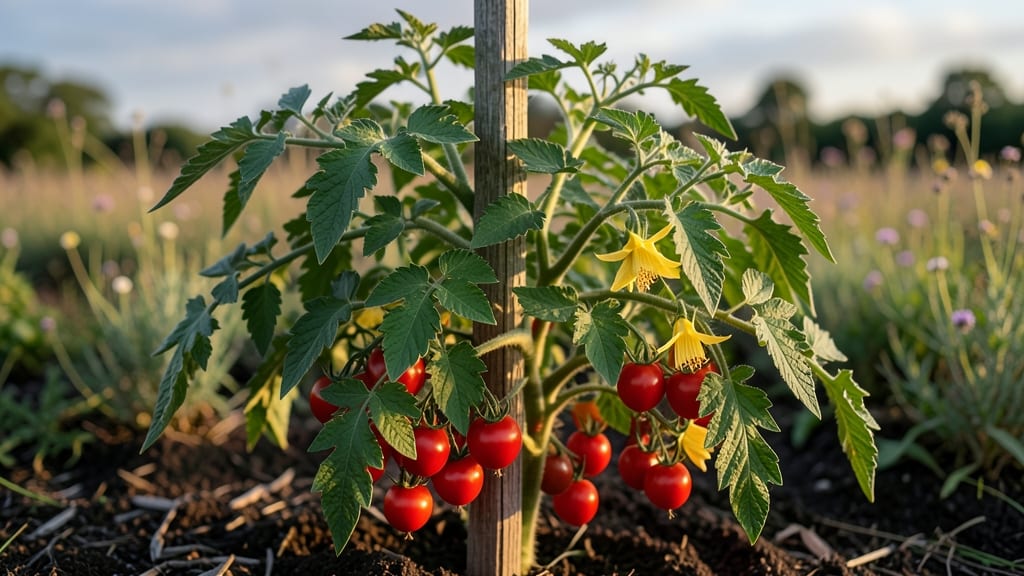
If you’re growing large red cherry tomatoes and wondering how tall do large red cherry tomatoes grow, the answer depends on the variety, but most reach between 4 and 6 feet when mature, with some indeterminate types stretching even taller if left unchecked.
This growth range means your cherry tomato plants could easily outpace a standard kitchen counter, so planning ahead is key. Whether you’re growing Heinz 1980 or another popular variety, understanding their height helps you decide between trellises, stakes, or cages to keep them contained—and your harvest accessible.
But here’s the catch: without proper support, those sprawling vines can become unruly, leading to tangled fruit or wasted space. The good news? With a few simple techniques—like pruning and trellising—you can control their height while boosting yield and airflow for healthier plants.
Ready to turn your garden into a cherry tomato powerhouse? Let’s break down exactly how tall these plants grow, what influences their size, and the easiest ways to manage them—so you can enjoy a bountiful harvest without the chaos.

Large red cherry tomato varieties: growth heights compared
Large red cherry tomatoes are a gardener’s delight, offering sweet, juicy fruits perfect for snacking or salads. But before you plant, understanding their growth habits is crucial—especially their mature height and vine length. These varieties typically grow as indeterminate plants, meaning they keep growing and producing fruit until frost.
Without proper support, their vines can sprawl 6 to 10 feet, but with trellising, you can control their height while maximizing yield.
The mature height of large red cherry tomatoes depends on the variety, growing conditions, and care. Most popular types reach between 4 to 6 feet tall when trained vertically, though some vigorous varieties can exceed 8 feet if left unchecked.
Knowing these specifics helps you plan your garden layout, choose the right support structures, and avoid overcrowding—all of which impact fruit production and plant health.
For example, the Heinz 1980 variety, a classic large red cherry tomato, typically grows 5 to 7 feet tall with sprawling vines. Meanwhile, Super Sweet 100 or Sun Gold varieties may reach 6 to 8 feet if not pruned.
These differences matter when deciding between cages, stakes, or trellises—each variety’s growth pattern influences which support system works best.
Here’s a quick comparison of how these varieties stack up in terms of height and vine length, along with their unique care needs:
| Variety | Mature Height | Vine Length | Growth Type | Support Needed |
|---|---|---|---|---|
| Heinz 1980 | 5–7 ft | 6–10 ft | Indeterminate | Trellis or strong stakes |
| Super Sweet 100 | 6–8 ft | 8–12 ft | Indeterminate | Trellis or floppy file system |
| Sun Gold | 4–6 ft | 5–8 ft | Indeterminate | Cages or stakes |
| Black Cherry | 6–10 ft | 10–14 ft | Indeterminate | Strong trellis or tower system |
| Sweet Million | 4–5 ft | 5–7 ft | Indeterminate | Cages or small stakes |
As you can see, indeterminate varieties are the rule for large red cherry tomatoes, meaning they’ll keep growing and producing fruit until frost kills them. This makes vertical support essential—not just for managing height but also for improving air circulation, reducing disease risk, and making harvesting easier.
Without support, these vines can sprawl uncontrollably, leading to tangled plants, poor fruit quality, and wasted space in your garden.
Another key factor influencing height is pruning. Regularly pinching off suckers (the small shoots that form in the leaf axils) encourages the plant to focus energy on fewer, stronger stems and more fruit. This practice can reduce vine length by 20–30% while increasing yield.
For example, a Black Cherry tomato with aggressive pruning might max out at 8 feet instead of 14 feet, but with larger, healthier fruits.
If you’re growing in containers or small spaces, dwarf or semi-dwarf varieties might be your best bet. While true dwarf large red cherry tomatoes are rare, some hybrid varieties like Tiny Tim (though typically smaller) can be pruned heavily to stay under 3–4 feet tall.
However, these won’t produce the same volume of fruit as their taller counterparts. Balance is key—aim for varieties that fit your space while still delivering the sweet, abundant harvests you crave.
Finally, don’t overlook the role of soil fertility and sunlight. Rich, well-draining soil packed with compost or aged manure can boost vine vigor, while 6–8 hours of daily sunlight ensures robust growth.
In my garden, I’ve found that adding a balanced fertilizer (10-10-10) at planting and again mid-season helps large red cherry tomatoes reach their full height potential without legginess.
Understanding these height ranges and growth patterns lets you plan your garden like a pro. Whether you’re trellising, pruning, or choosing varieties, every decision impacts how tall—and how productive—your large red cherry tomatoes will be. 🌱
How tall do large red cherry tomatoes grow: variety-specific heights & trellis tips
Large red cherry tomatoes like Heinz 1980 or Super Sweet 100 are indeterminate varieties, meaning they grow continuously until frost. On average, these plants reach 4 to 6 feet tall with vines sprawling 6 to 8 feet long if left unchecked.
Their towering growth makes them perfect for vertical gardening, but without proper support, they’ll flop and waste space in your garden.
If you’re planning your garden layout, knowing these height ranges helps you decide between cages, stakes, or trellises. For example, a 6-foot-tall plant needs at least 5 feet of vertical space to thrive.
Without support, the vines can spread 10 feet or more, crowding other plants and reducing airflow—leading to disease risks like blight.
Here’s a quick comparison of popular large red cherry tomato varieties and their typical mature heights:
| Variety | Growth Type | Mature Height | Vine Length | Trellis Needs |
|---|---|---|---|---|
| Heinz 1980 | Indeterminate | 5–7 ft | 6–10 ft | Strong trellis or cage |
| Super Sweet 100 | Indeterminate | 4–6 ft | 5–8 ft | Tall stakes or floppy file |
| Black Cherry | Indeterminate | 6–8 ft | 8–12 ft | Heavy-duty trellis |
| Sweet Million | Indeterminate | 4–5 ft | 5–7 ft | Medium-height cage |
For large red cherry tomatoes, the key to managing height is pruning and support. Start by installing a 5-foot-tall trellis or cage at planting. As the plant grows, tie the main stem to the support every 12 inches to encourage upward growth.
Remove suckers (side shoots) regularly to focus energy on fruit production rather than excessive foliage.
Pruning isn’t just about height control—it also improves air circulation, reducing the risk of fungal diseases like early blight. Aim to leave 2–3 main stems per plant, pruning aggressively after the first 3–4 fruit clusters appear.
This keeps the plant compact and productive while preventing it from becoming a tangled mess.
If you’re short on space, consider container growing with a 5-gallon bucket and a tomato cage. This limits height to 4–5 feet while still yielding plenty of large red cherries. Just ensure the container has drainage holes and you’re watering deeply every 2–3 days during hot weather.