
How To
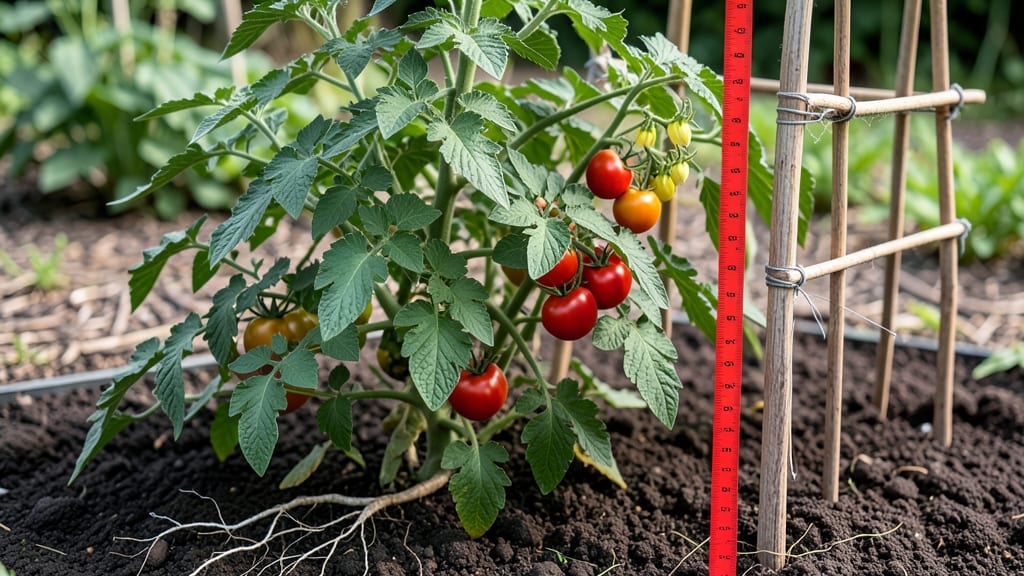
If you're planning your garden and wondering "how tall will a tomato plant grow", the answer isn't one-size-fits-all—it depends entirely on the variety you choose. Some compact types stay neatly contained, while others can climb like vines, reaching heights that might surprise you.
For gardeners in USDA Zone 6a, where spring planting kicks off in April, understanding these differences is key. Determinate tomatoes—like the classic Roma—typically max out around 3-4 feet, making them perfect for cages or small spaces.
But indeterminate varieties? Those 🍅 giants can stretch 6-10 feet tall if given the right support.
Why does this matter? Because the height of your tomato plants directly impacts your harvest. Taller varieties need sturdy trellises to prevent disease and breakage, while shorter ones thrive in containers or along fences.
Let’s break down the specifics so you can pick the perfect plant for your space—and your dinner table.
From cherry tomatoes that barely clear your waist to beefsteak varieties that need ladder access, we’ll cover everything you need to know. Ready to grow bigger, healthier tomatoes? Let’s get started.

Tomato plant height by variety: determinate vs indeterminate growth explained
If you're planning your garden layout, knowing how tall your tomato plants will grow is essential. Tomato varieties fall into two main categories: determinate (bush types) and indeterminate (vining types), each with distinct height ranges and growth habits.
Determinate varieties typically stay between 2–4 feet tall, making them ideal for containers or small spaces, while indeterminate types can reach 6–10 feet or more if left unchecked.
Understanding these differences helps you choose the right support system and spacing. For example, cherry tomatoes like 'Sweet 100' are usually indeterminate and need tall trellises, while Roma tomatoes (determinate) stay compact and thrive in cages. The variety you pick directly impacts your harvest potential and garden design.
Here’s a quick comparison to visualize the differences:
The determinate varieties produce fruit all at once, which is great for canning or preserving, while indeterminate types yield continuously throughout the season. If you're growing in a small space, dwarf or semi-dwarf varieties like 'Tiny Tim' (1–2 ft) are perfect.
For vertical gardens or trellises, indeterminate varieties like 'Sweet Million' (up to 12 ft) will thrive.
Another key factor is pruning habits. Indeterminate plants benefit from regular pruning to control height and improve airflow, reducing disease risk. Determinate types rarely need pruning unless you're removing damaged leaves. Always check the seed packet or plant tag for specific height expectations—some heirloom varieties can exceed standard ranges!
For container gardening, stick to dwarf or determinate types to avoid overcrowding. If you're using a 5-gallon pot, a variety like 'Patio' (3–4 ft) will work well, but larger containers (15+ gallons) can support indeterminate types with proper trellising.
Always leave 12–18 inches of space between plants to prevent competition for nutrients.
Climate also plays a role. In warmer regions (Zones 8–10), indeterminate tomatoes can grow taller due to longer growing seasons. In cooler climates (Zones 4–6), they may stay shorter unless you extend the season with row covers.
Always monitor your plants and adjust support as they grow—some varieties surprise you with unexpected height!
Pro tip: If you're unsure about a variety's height, check online forums or seed company descriptions. For example, 'Black Krim' (indeterminate) can reach 5–7 feet, while 'Glacier' (determinate) tops out at 3–4 feet. Knowing these details helps you plan trellises, cages, or stakes in advance.
Now that you understand the basics, let’s talk about support systems—because even the shortest tomato plant needs a little help to stay upright and productive! 🌱
How to support tall tomato plants: cages, trellises, and staking solutions
When your tomato plants reach for the sky, proper support isn't just helpful—it's essential. Without the right structure, indeterminate varieties can sprawl uncontrollably, while even determinate plants benefit from stability to prevent disease and maximize fruit production.
The key is matching your support system to the plant's growth habit and your garden space.
For compact varieties like 'Tiny Tim' or 'Patio Princess', tomato cages (5-6 feet tall) work perfectly. These provide built-in support without taking up extra garden real estate. Just push the cage into the soil at planting time and let the plant grow through it.
The wire structure helps prevent blossom end rot by keeping fruit off the ground and improving air circulation.
Here’s how to choose the right support for your tomato plants:
Best for: Determinate varieties (3-4 ft), small gardens, or beginners.
Pros: Easy to install, affordable, improves air flow.
Cons: Can get flimsy if overloaded with fruit.
Best for: Indeterminate varieties (6+ ft), vertical gardening, or maximizing space.
Pros: Durable, allows pruning for better yield, saves space.
Cons: Requires more setup (stakes + twine or netting).
Best for: Heavy-fruiting varieties (e.g., 'Beefsteak'), large gardens.
Pros: Strong support, easy to prune, customizable height.
Cons: Needs regular tying (every 5-7 days) to prevent breakage.
Best for: Small-space gardens, container growing, or temporary support.
Pros: Low-cost, adjustable, great for dwarf varieties.
Cons: Less stable in wind or heavy rain.
Installing supports correctly is just as important as choosing the right type. For trellises or stakes, bury them 6 inches deep into the soil and secure them with soft plant ties (never wire, which can damage stems).
If using cages, press them 2-3 inches into the ground to prevent toppling. Pro tip: Prune suckers (side shoots) regularly to direct energy into fruit production and reduce the strain on your support system.
One common mistake is waiting until plants are already tall to add support. Start early—even at transplanting time—to avoid stressing the roots. If you’re growing in containers, opt for A-frame cages or freestanding trellises designed for pots.
These prevent tipping and make harvesting easier, especially for heavy varieties like 'Brandywine' or 'Sungold'.
Remember, the right support doesn’t just keep your plants upright—it boosts yield, improves air flow, and reduces disease risk. With the right setup, you’ll turn your tomato plants from a garden eyesore into a high-producing, space-saving powerhouse. 🌱