
How To
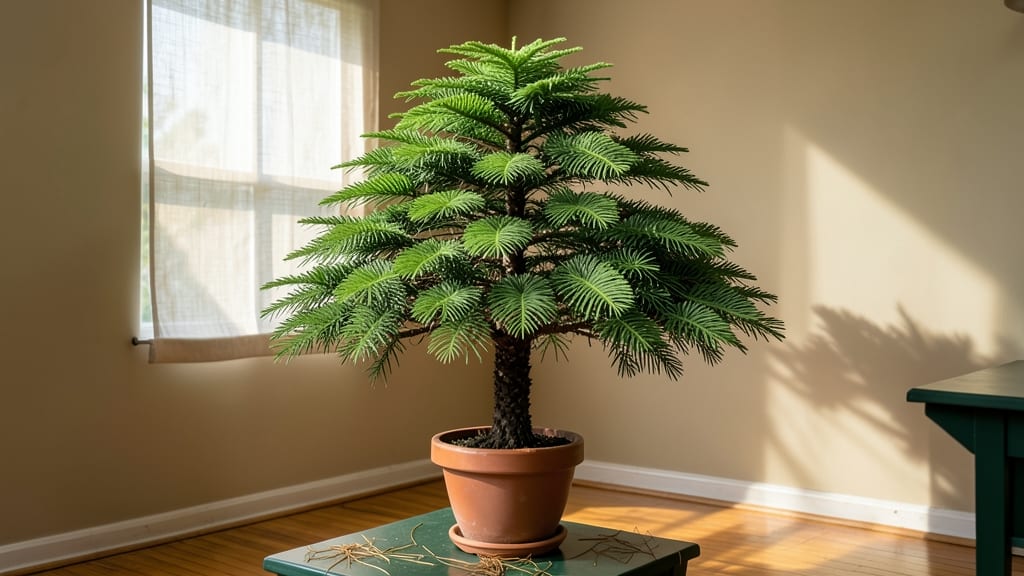
If you’ve ever wondered how tall do Norfolk Pines grow, the answer might surprise you—these tropical trees can reach heights of 30 to 70 feet in ideal conditions, making them a stunning but space-demanding addition to any garden.
Whether you’re dreaming of a towering outdoor centerpiece or a smaller indoor statement plant, understanding their growth potential is the first step to planning your space wisely.
The Norfolk Pine, or Araucaria heterophylla, grows at an impressive rate, especially when planted outdoors in zones like 6a or warmer. In their natural habitat, these trees can shoot up 2 to 3 feet per year in their youth, though growth slows as they mature.
Indoors, their height is more manageable but still requires thoughtful placement to avoid outgrowing your home.
For those considering an outdoor Norfolk Pine, proper spacing is critical—these trees need room to spread their branches, ideally 15 to 20 feet from structures or other plants. If you’re growing one indoors, pruning and container size become your best tools for controlling height while keeping that lush, tropical vibe.
Let’s break down how to manage their growth, whether you’re aiming for a sky-high specimen or a compact houseplant.
Don’t let their potential height intimidate you—with the right care, a Norfolk Pine can be a breathtaking focal point, whether it’s soaring in your backyard or adding greenery to your living room. Ready to learn how to nurture one that fits your space perfectly?

Norfolk Island Pine height by growth stage: from seedling to mature tree
If you're planning to grow a Norfolk Island Pine (Araucaria heterophylla), understanding its height progression is essential. This stunning tropical tree starts small but can reach impressive heights—especially when grown outdoors.
Let's break down how tall it grows at each stage, so you can plan your space wisely.
The Norfolk Pine is often mistaken for a slow-growing houseplant, but in ideal conditions, it can grow 3-5 feet per year when planted outdoors. Indoors, growth is much slower due to limited space and light. Knowing these differences helps you set realistic expectations for your tree's future size.
Here's a detailed look at how your Norfolk Pine will grow over time, from a tiny seedling to a towering tree:
| Growth Stage | Indoor Height (Years) | Outdoor Height (Years) | Key Growth Factors |
|---|---|---|---|
| Seedling | 1-2 ft (Year 1) | 1-2 ft (Year 1) | Light exposure, container size, soil quality |
| Juvenile | 3-5 ft (Years 2-5) | 6-10 ft (Years 2-5) | Pruning, sunlight, watering consistency |
| Mature (Indoor) | 10-15 ft (10+ Years) | 20-30 ft (10+ Years) | Container limitations, indoor climate |
| Mature (Outdoor) | N/A | 30-70 ft (20+ Years) | Climate zone, soil drainage, spacing |
The outdoor Norfolk Pine can grow up to 70 feet tall in its native tropical climate, making it a true giant when given the right conditions.
In USDA Zone 10 and above, these trees thrive outdoors, but in cooler zones, they’re typically grown as indoor plants or in containers moved outdoors during summer.
One common misconception is that Norfolk Pines grow at the same rate indoors and outdoors. In reality, outdoor trees grow 3-5 times faster due to abundant sunlight, space, and natural rainfall. If you're growing one indoors, expect slower growth and a maximum height of 10-15 feet unless you prune aggressively.
For indoor growth, the key to controlling height is container size. A 5-gallon pot will keep your tree smaller, while a 20-gallon container allows for more rapid growth. Always choose a pot with drainage holes to prevent root rot, which can stunt growth entirely.
Outdoors, spacing is critical. Norfolk Pines need at least 10-15 feet of clearance from buildings, power lines, and other structures. Planting too close can lead to structural damage as the tree matures, especially in windy areas.
If you're planting multiple trees, space them 15-20 feet apart to allow for full growth.
Another factor affecting height is light exposure. While Norfolk Pines tolerate partial shade, they grow much faster in bright indirect light. If you're growing one indoors, place it near an east or west-facing window for optimal growth.
Avoid harsh afternoon sun, which can scorch the soft foliage.
To encourage healthy vertical growth, fertilize your Norfolk Pine with a balanced 10-10-10 fertilizer during the spring and summer months. Avoid over-fertilizing, as this can lead to salt buildup in the soil, which harms root development.
Water deeply once a week, ensuring the soil stays moist but not soggy.
If you're wondering how to tell if your Norfolk Pine is growing at a healthy rate, look for new foliage growth at the tips of branches. Slow or stunted growth may indicate poor lighting, root-bound conditions, or nutrient deficiencies. Adjust care accordingly to keep your tree thriving.
Norfolk Island Pine height by growth stage: from seedling to mature tree
The Norfolk Island Pine (Araucaria heterophylla) starts life as a small, slow-growing seedling but transforms into a towering tropical giant over time. Understanding its growth stages helps you plan for its eventual 30-70 foot mature height, whether indoors or outdoors.
In the first year, expect just 1-2 feet of growth, while outdoor specimens can reach 6-10 feet by year three—so space planning is critical early on.
Indoor Norfolk Pines grow much slower due to limited light and space, typically reaching 6-10 feet over 10 years. However, outdoor trees in ideal USDA Zones 10-11 can surge past 20 feet by year five and continue climbing toward their full height.
The key difference? Outdoor trees receive year-round sunlight and unobstructed vertical growth, while indoor trees often become root-bound or leggy without proper care.
| Growth Stage | Height Range (Indoor) | Height Range (Outdoor) | Key Growth Factors |
|---|---|---|---|
| Year 1 | 1-2 ft | 2-4 ft | Slow growth; needs bright indirect light |
| Year 3 | 3-6 ft | 6-10 ft | Outdoor trees grow 2x faster; prune to shape |
| Year 10 | 6-10 ft | 20-30 ft | Outdoor trees need 10+ ft spacing; indoor trees may need repotting |
| Mature (20+ years) | 10-15 ft (if pruned) | 30-70 ft | Outdoor trees dominate landscapes; indoor trees require regular maintenance |
Many gardeners assume Norfolk Pines grow at a steady rate, but their growth spurts depend heavily on environmental conditions. For example, outdoor trees in coastal climates with high humidity and bright indirect sunlight can add 3-5 feet per year during their prime.
In contrast, indoor trees often stall at 6-10 feet without proper care, leading to disappointment if you expected a 20-foot tropical giant.
Light exposure is the #1 factor controlling height. Indoor Norfolk Pines need 4-6+ hours of bright indirect light daily—south-facing windows or grow lights can make the difference between a compact 8-foot tree and a lanky 12-footer.
Outdoor trees, meanwhile, thrive in partial shade to full sun, with faster growth in USDA Zones 10-11. If you're growing one outdoors in cooler zones (like Zone 9), expect slower growth unless you provide winter protection.
Another common misconception is that Norfolk Pines grow equally well in containers. While they can live in pots for years, root-bound trees grow 30-50% slower and develop weak trunks. If you're keeping yours indoors long-term, plan to repot every 2-3 years into a container just 2-3 inches larger in diameter.
For outdoor trees, always plant in well-draining soil with a 10-foot radius for root spread—crowding stunts height and weakens the trunk.
To maximize height (or control it), focus on these two factors: light exposure and container size. Outdoor trees left unpruned will reach their full 30-70 foot potential, while indoor trees need regular pruning to stay under 10 feet.
If you're growing one as a houseplant, consider dwarf varieties or prune aggressively to encourage bushier growth—just be prepared for slower vertical growth.