
How To
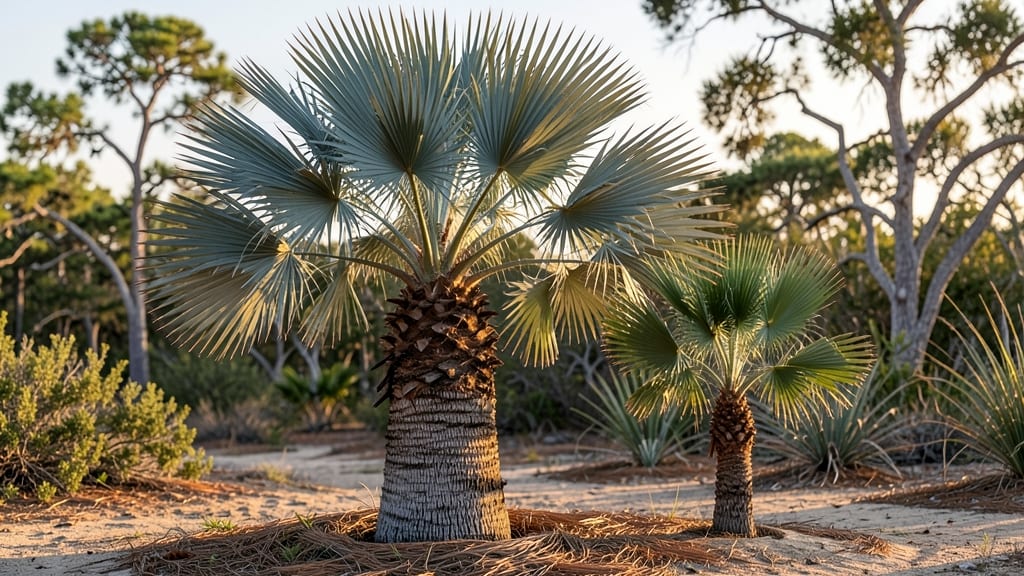
If you're wondering how tall do palmetto trees grow, the answer might surprise you—especially when comparing the towering Sabal Palmetto 🌴 to its smaller cousins. While some varieties stretch toward the sky, others stay perfectly proportioned for smaller yards, making them a versatile choice for any landscape.
For gardeners in the Southeastern U.S., where these trees thrive in USDA Zones 7b-11, the Sabal Palmetto typically matures between 15 to 25 feet, creating a striking focal point. But did you know there are dwarf varieties that stay under 10 feet?
That flexibility means you can match your space’s needs without sacrificing the tropical charm these trees bring.
What’s even more interesting is how quickly they grow. In ideal conditions, a young Sabal Palmetto can shoot up 3 to 5 feet per year in its early years, though growth slows as it matures.
Whether you're planning a windbreak, a privacy screen, or just a stunning centerpiece, understanding these growth patterns helps you make the best choices for your garden.
In this guide, we’ll break down the height ranges by variety, growth rates, and the environmental factors that can influence their size. By the end, you’ll know exactly which palmetto tree fits your vision—whether you want a sky-high statement or a compact, low-maintenance beauty.

Palmetto tree height by variety: from dwarf to giant species
Choosing the right palmetto tree for your landscape starts with understanding their mature heights. These iconic palms vary dramatically—from towering giants to compact varieties—so let’s break down the most common types and their growth characteristics to help you pick the perfect fit for your space.
Most palmetto varieties belong to the Sabal genus, with Sabal palmetto being the most well-known. However, some species like Sabal minor (dwarf palmetto) stay much smaller, making them ideal for smaller yards or container growing.
Knowing these differences ensures you avoid planting a 60-foot tree where a 10-foot specimen would thrive.
Here’s a quick comparison of the most popular palmetto varieties and their typical mature heights to help you visualize their scale in your landscape:
| Variety | Mature Height | Growth Rate | Best For |
|---|---|---|---|
| Sabal palmetto | 15–25 ft | Slow to moderate (1–2 ft/year) | Large yards, coastal landscapes |
| Sabal minor (Dwarf Palmetto) | 6–10 ft | Slow (6–12 inches/year) | Small spaces, containers, urban gardens |
| Sabal etonia (Buccaneer Palm) | 10–15 ft | Moderate (1–1.5 ft/year) | Medium-sized yards, privacy screens |
| Sabal mexicana (Mexican Palmetto) | 20–30 ft | Moderate (1.5–2 ft/year) | Large properties, tropical landscapes |
| Sabal causiarum (Cuban Palmetto) | 12–20 ft | Slow to moderate (1 ft/year) | Coastal areas, small to medium yards |
The Sabal palmetto, often called the cabbage palm, is the most iconic and widely planted variety in the southeastern U.S. It’s a slow-growing tree that can take 20–30 years to reach its full 15–25 ft height, but its thick trunk and lush fronds make it a stunning focal point for large properties.
If you’re working with limited space, the Sabal minor (dwarf palmetto) is a fantastic alternative. It tops out at just 6–10 ft and grows at a glacier’s pace, adding only a few inches per year.
This makes it perfect for containers, small yards, or urban gardens where height is a concern.
For a middle-ground option, Sabal etonia (Buccaneer Palm) strikes a balance with a 10–15 ft mature height. It’s also cold-hardy down to USDA Zone 7b, making it a great choice for gardeners in northern Florida or coastal Georgia who want a palm without the towering height.
One common misconception is that all palmetto trees grow in clumps like bamboo. However, most palmetto species—including Sabal palmetto—grow as single-trunk trees. Only a few, like Sabal minor, may form small clusters over time, but they rarely spread aggressively like bamboo.
When planning your landscape, consider not just the height but also the canopy spread. A mature Sabal palmetto can have a 10–15 ft spread, while Sabal minor stays compact with a 5–8 ft spread.
This ensures you leave enough space for roots and fronds to thrive without crowding other plants.
Before planting, check your USDA hardiness zone—most palmetto trees thrive in Zones 7b–11. If you’re in a cooler zone, opt for cold-hardy varieties like Sabal etonia or Sabal minor to avoid winter damage.
🌴
How fast do palmetto trees grow? Growth rates by age & climate
Palmetto trees like the Sabal palmetto grow at different speeds depending on their age and environment. In their first year, you’ll see them reach 2–4 feet tall, which is a great start for a tree that can eventually tower over your yard.
By year two, they’ll add another 3–4 feet, giving you a quick boost in height. This early growth is especially noticeable in warmer climates like Florida or Texas, where they thrive year-round.
Once they hit 3–5 years old, palmetto trees really start to stretch their legs. Expect 4–6 feet of growth per year during this phase, provided they have the right conditions.
In ideal settings—full sun exposure and well-draining soil—they can even grow faster, reaching 10–15 feet by their fifth year. This rapid growth makes them a favorite for landscapers looking to add height quickly without waiting decades.
After the first decade, their growth slows down but doesn’t stop. Mature Sabal palmetto trees typically add 1–2 feet per year until they reach their full height of 15–25 feet.
In cooler climates like Zone 7b, growth may be slower, especially during winter months when the tree becomes dormant. However, once established, they’re incredibly resilient and will bounce back with warmer weather.
Climate plays a huge role in how fast your palmetto tree grows. In USDA Zones 8–11, where they’re native, they grow almost year-round with minimal stress. But in Zone 7b, where frost is a risk, growth can stall in winter.
To keep your tree growing at its best, focus on consistent watering, well-draining soil, and protecting young trees from late frosts. These small adjustments can make a big difference in their height over time.
Here’s a quick look at how their growth compares to other palm varieties. While some palms like the Areca palm might grow faster in containers, palmetto trees have the advantage of being hardy and low-maintenance.
Their slow-to-moderate growth rate means you won’t have to worry about them outgrowing your space overnight, but you’ll still see noticeable progress year after year.
🌱
Palmetto Tree Growth Highlights
- Year 1: 2–4 ft (fast initial growth)
- Years 2–5: 4–6 ft/year (peak growth phase)
- Years 6–10: 1–2 ft/year (slower but steady)
- Mature Height: 15–25 ft (varies by variety)
- Climate Impact: Faster in Zones 8–11, slower in Zone 7b
- Sunlight Needs: 6+ hours daily for optimal growth
- Watering Tip: Deep soaks weekly (avoid soggy soil)
If you’re wondering whether your palmetto tree will ever stop growing, the answer is yes—but only after it reaches its genetic height limit. Some varieties, like the Sabal minor (dwarf palmetto), max out around 10 feet, while others like the Sabal causiarum can reach 30+ feet.
Understanding these differences helps you choose the right variety for your space and manage expectations. For example, if you have a small yard, a dwarf variety might be the perfect fit without sacrificing the tropical look.
To maximize growth, avoid over-pruning the fronds and focus on keeping the soil healthy. A mulch layer around the base helps retain moisture and nutrients, while regular fertilization (like a 6-6-6 NPK blend) gives them the boost they need.
With the right care, your palmetto tree will grow into a stunning centerpiece that adds value and beauty to your landscape for decades.
☀️