
Plants
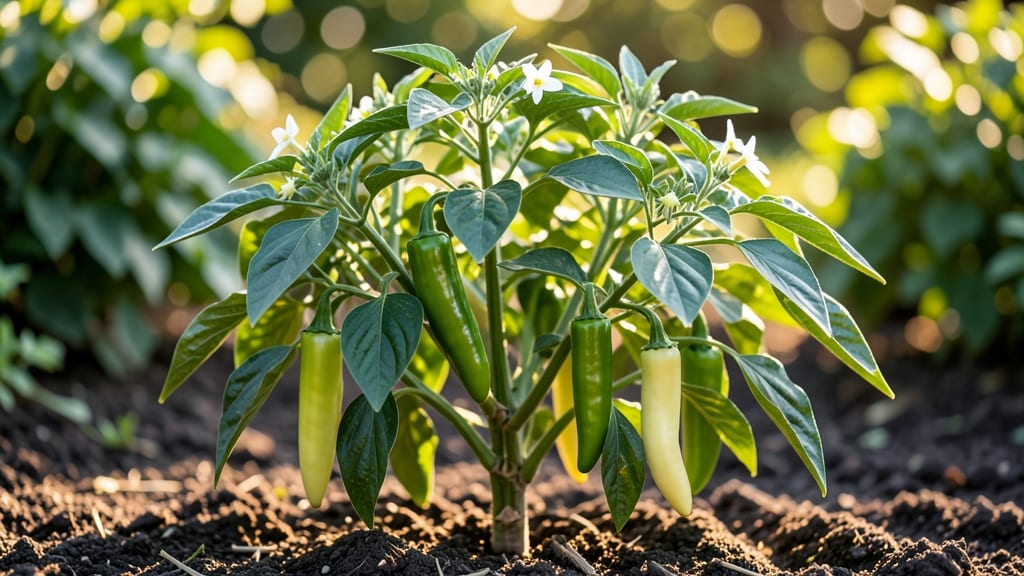
Curious about how tall your pepperoncini plants will grow? These compact 🌶️ wonders typically reach between 12 and 24 inches, making them perfect for small gardens, containers, or even windowsills.
What sets pepperoncini apart is their manageable size—unlike sprawling tomato plants, they stay neat and tidy, rarely needing more than 18 inches of space. This means you can grow them in tight spots without sacrificing flavor or yield.
Whether you're a beginner gardener or a seasoned green thumb, understanding their growth habits lets you plan spacing, pruning, and even container sizes for a thriving harvest. Let’s break down what affects their height and how to keep them at your ideal size.
From choosing the right variety to training them for vertical growth, you’ll discover simple tricks to maximize your harvest—no matter how limited your space. Ready to grow your own tangy peppers without the fuss?

Pepperoncini plant height guide: expected growth stages and space needs
Pepperoncini plants typically reach a mature height of 12 to 24 inches, making them perfect for small gardens, containers, or even kitchen windowsills. Their compact size means you can grow them almost anywhere without sacrificing flavor or yield.
Understanding their growth stages helps you plan spacing and care for optimal results.
These peppers grow as bushy annuals in most climates, though in warm regions like USDA Zones 8-11, they may return as perennial shrubs for 2-3 years. Even in their second year, their height rarely exceeds 24 inches. Their upright, branching habit makes them ideal for tight spaces.
Here’s what you need to know about their growth patterns and space requirements:
| Stage | Height Range | Spacing Needs | Care Tips |
|---|---|---|---|
| Seedling | 2-6 inches | 12 inches apart | Use small pots for seedlings |
| Vegetative Growth | 12-18 inches | 18-24 inches apart | Prune to encourage bushiness |
| Mature Plant | 18-24 inches | 24 inches apart | Support with stakes if heavy |
| Perennial (Zones 8-11) | 12-24 inches | Same as annuals | Mulch to protect roots |
Pepperoncini plants grow fastest during the summer months when temperatures are between 70-85°F. In cooler climates, they may grow more slowly but still reach their mature height by late summer. Their compact growth means they rarely need staking, though a small bamboo stake can help support heavy pepper clusters.
When planning your garden layout, remember that pepperoncini plants need 6-8 hours of sunlight daily to thrive. Their bushy habit allows for close planting—just leave 18-24 inches between plants to ensure good air circulation and reduce disease risk.
In containers, use pots at least 12 inches wide and deep for each plant.
One of the biggest factors affecting height is pruning. Regular pruning keeps plants bushier and prevents them from growing taller than 24 inches. Simply pinch off the tips of new growth to encourage lateral branching. This also improves air flow and makes harvesting easier.
If you’re growing pepperoncini in containers, their height will naturally be limited by the pot size. A 5-gallon container can comfortably support a mature plant, while smaller pots may restrict growth slightly. Just ensure the container has drainage holes to prevent root rot.
In warm climates, pepperoncini plants may continue growing into fall, sometimes reaching their full height by early autumn. If you live in a cooler zone, they’ll likely stop growing by late summer. Either way, their compact size makes them a low-maintenance addition to any garden.
For the best results, plant pepperoncini in well-draining soil with a pH of 6.0-6.8. Amend heavy clay soil with compost to improve drainage and fertility. With proper care, you’ll enjoy a bountiful harvest of tangy, 2-3 inch peppers all season long.
🌱
Best pepperoncini varieties for small gardens: compact options under 24 inches
Not all pepperoncini varieties stay under 24 inches, but several compact options make them perfect for small gardens, balconies, or even windowsills. If you’re working with limited space, choosing the right variety can mean the difference between a thriving harvest and a leggy, underperforming plant.
These dwarf and bush types maintain their 12-20 inch height while delivering the same tangy, 2-3 inch peppers you love.
Here are my top recommendations for space-saving pepperoncini varieties that won’t outgrow their welcome:
| Variety | Mature Height | Flavor Profile | Best For |
|---|---|---|---|
| Pepperoncini Dwarf | 12-16 inches | Classic tangy, slightly sweet | Containers, small gardens |
| Mini Banana Pepper | 14-18 inches | Mild, sweet, banana-shaped | Balconies, hanging baskets |
| Sweet Mini Pepper | 16-20 inches | Very mild, crisp texture | Fresh eating, snacking |
| Pepperoncini Bush | 18-22 inches | Classic pepperoncini tang | Garden beds, raised beds |
If you’re growing pepperoncini in containers, the Pepperoncini Dwarf variety is my top pick—it stays under 16 inches and produces abundant peppers in a 5-gallon pot. For hanging baskets, the Mini Banana Pepper variety thrives with its trailing habit and sweet flavor.
Both options maximize your harvest without taking up valuable garden real estate.
For those who love the classic pepperoncini taste but need a slightly taller variety, the Pepperoncini Bush type reaches just 22 inches while maintaining the same tangy kick. This makes it ideal for raised beds or garden borders where you can space plants 18 inches apart.
Even in their second year (in warm climates), these varieties rarely exceed 24 inches, making them reliable for perennial gardens.
When selecting seeds, look for labels that specify "dwarf" or "bush" types. Avoid standard pepperoncini varieties, which can grow up to 36 inches tall if unpruned. Always check the seed packet for mature height estimates—this small detail can save you from overcrowded plants or wasted space.
Pro tip: If you’re growing multiple pepperoncini plants in a small area, interplant them with companion plants like basil or marigolds. These help deter pests, improve air circulation, and make the most of your limited space while keeping your pepperoncini plants healthy and compact.
🌿