
How To
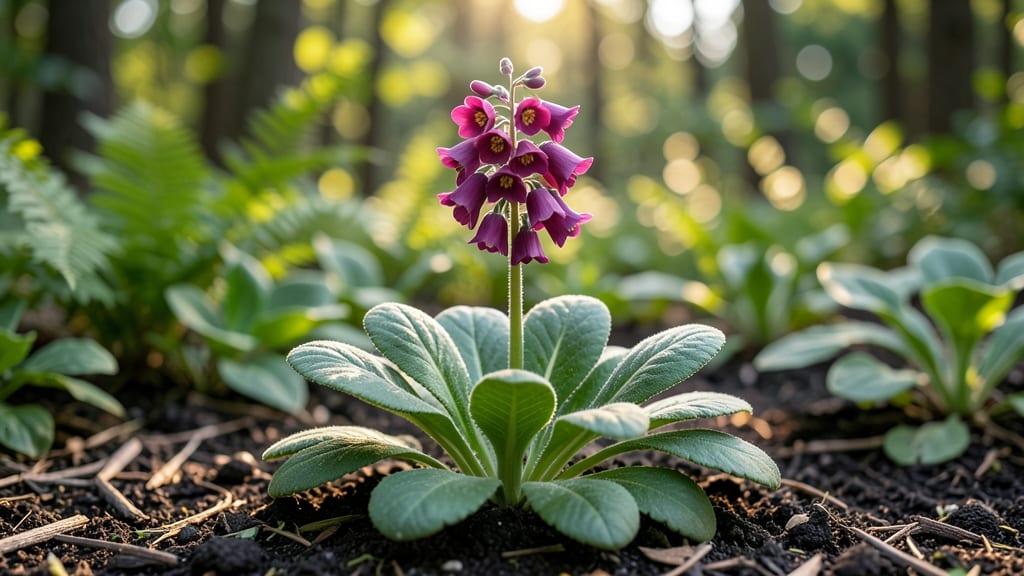
If you're planning your spring garden and wondering how tall do primroses grow, you're in the right place. These cheerful 🌸 primroses can surprise you with their size range—some varieties stay as short as 6 inches, while others reach nearly 2 feet tall when fully mature.
For gardeners in Zone 6a, choosing the right variety matters. Dwarf types like Primula vulgaris stay compact, perfect for window boxes or edging, while taller varieties like Primula denticulata add drama to borders. The difference comes down to genetics, care, and growing conditions.
Sunlight and soil play a big role in primrose height. Too much direct sun can stunt growth, while rich, well-draining soil encourages stronger stems. I’ll share pro tips to help you control height—whether you want them short and sweet or reaching for the sky.
Ready to pick the perfect primrose for your space? Let’s break down the varieties and care secrets that make all the difference in their final height.

Primrose height guide by variety: from dwarf to towering types
Primroses (Primula spp.) come in a stunning array of heights, from delicate 6-inch window box dwarfs to 24-inch garden showstoppers. The variety you choose determines not just how tall your primroses grow, but also their bloom size, growth habit, and ideal planting spots.
Let’s explore the height ranges of popular types so you can pick the perfect fit for your space—whether that’s a rock garden, border edge, or container arrangement.
Most primroses fall into the 12-18 inch range at maturity, but extremes exist. For example, the cowslip primrose (Primula veris) stays under 12 inches, while candelabra primroses (Primula denticulata) can stretch to 24 inches with proper care.
Understanding these differences helps you avoid crowding smaller varieties or leaving tall ones looking lost in the garden.
Here’s a quick reference for the most common primrose varieties, organized by height category. Use this as your guide to selecting plants that will thrive in your specific garden conditions and design plans.
When selecting primroses, consider not just their mature height but also their spread. For example, polyanthus varieties may only reach 8–12 inches but spread 12–18 inches wide, making them ideal for filling gaps in borders.
Meanwhile, candelabra types grow tall but have a narrower base, perfect for adding vertical interest to the back of a mixed border.
If you’re growing primroses in containers, opt for dwarf varieties like Bird’s Eye or Fairy primroses. These stay under 12 inches and thrive in 6-inch pots, making them perfect for balconies or patio displays.
Larger varieties like candelabra need 12-inch pots to accommodate their root systems and prevent toppling
Factors that determine primrose height: soil, sun, and pruning secrets
Primrose height isn't set in stone—it’s heavily influenced by your growing conditions. Soil quality, sunlight exposure, and pruning habits can push a 12-inch primrose to 18 inches or shrink a tall variety back to compact size. Let’s break down how to control or maximize their growth naturally.
First, soil pH plays a surprising role. Primroses thrive in slightly acidic to neutral soil (pH 6.0–7.0). If your soil is too alkaline (pH 7.5+), nutrient uptake suffers, stunting growth by 30%.
A simple soil test and peat moss or sulfur amendments can make a dramatic difference in height potential.
🌱 Key Factors Affecting Primrose Height
- Soil pH: 6.0–7.0 = optimal height; 7.5+ = stunted growth
- Sunlight: 4–6 hours/day = ideal; full sun = leggy, weaker stems
- Pruning: Deadheading promotes bushiness; hard pruning resets height
- Watering: Consistent moisture = taller; drought = compact but stressed
- Fertilizer: Balanced NPK (5-10-10) = steady growth; over-fertilizing = weak stems
Sunlight is another game-changer. While primroses love partial shade (4–6 hours/day), too much direct sun (especially afternoon rays) causes them to stretch tall and leggy in search of shade. This isn’t just about height—it weakens stems, making them prone to flopping under heavy blooms.
For taller varieties like Candelabra primroses, provide morning sun + afternoon shade to keep them sturdy.
Pruning isn’t just for tidying up—it’s a height-control tool. If your primroses are bolting upward uncontrollably, a light trim after blooming encourages bushier, shorter growth next season.
For Candelabra types, cut back 1/3 of the stem after flowering to prevent excessive height and encourage multiple blooms at a manageable level.
Watering habits also sneakily affect height. Underwatering forces primroses to grow slowly and compactly, while overwatering (especially in heavy clay soil) can stunt roots and limit upward growth.
Aim for consistently moist but well-draining soil—think sponge-like texture—to let them reach their full genetic height potential without stress.
Finally, fertilizer choices can either boost or sabotage height. A high-nitrogen feed (like 10-10-10) promotes leafy growth but may weaken stems, while a balanced 5-10-10 supports steady, sturdy height. Avoid slow-release granules in summer heat—they can overfeed and cause floppy, elongated stems.
By tweaking just one or two of these factors, you can shape your primroses’ height to fit your garden’s vision—whether that’s neat window-box charm or bold border drama. Start with soil pH and sunlight, then fine-tune with pruning and watering for perfect proportions. 🌿