
Trees
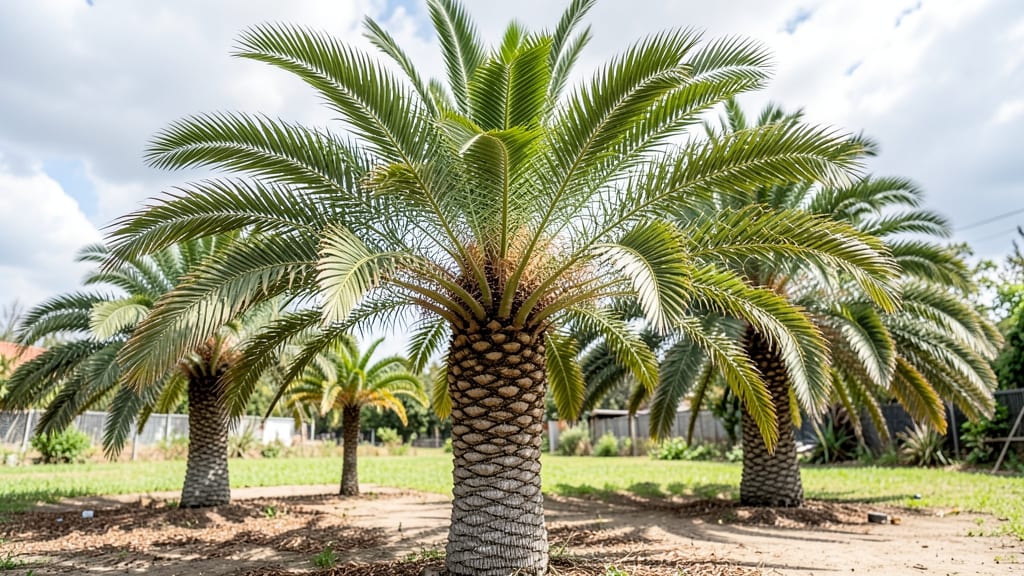
If you're dreaming of a Queen Palm 🌴 that adds tropical drama to your landscape, you might be wondering just how tall these stately trees can grow. The answer isn’t one-size-fits-all—some varieties stretch toward the sky like skyscrapers, while others grow at a more manageable pace.
Knowing the exact height range before planting could save you from a backyard surprise later.
In ideal conditions, a mature Queen Palm can reach 30 to 60 feet, making it a statement piece in USDA zones 9a-11. But growth isn’t linear—these palms grow 2 to 4 feet per year in their early years, then slow as they mature.
Whether you’re planning for shade, privacy, or just that Instagram-worthy backdrop, understanding their growth timeline is key.
Here’s the good news: you can influence how tall your Queen Palm becomes. Strategic pruning, choosing the right variety, or even controlling its root space can help manage its height.
Plus, factors like sunlight, soil, and water play a huge role in whether your palm will reach its full potential—or stay more compact.
Ready to plant with confidence? Let’s break down the exact heights by variety, growth rates, and the simple tricks to keep your Queen Palm at the perfect size for your space. Your future tropical oasis starts here.

Queen Palm tree height by variety: exact mature sizes compared
Queen palms (Syagrus romanzoffiana) are tropical stunners that can transform any landscape—but their mature height varies wildly. While most standard varieties reach 30–60 feet, some rare types stay compact.
Knowing the exact height range helps you choose the perfect palm for your space, whether you want a statement centerpiece or a subtle accent. Let’s break down the most common varieties and their growth potential.
First, the standard Queen Palm (Syagrus romanzoffiana) is the most popular, typically growing 40–60 feet tall with a 10–15 foot spread. This variety thrives in USDA zones 9a–11 and is often planted as an ornamental focal point in large yards or urban landscapes.
If you’re in a cooler microclimate (like coastal California), expect slightly slower growth but still impressive heights.
Next, the Blue Queen Palm (Syagrus romanzoffiana 'Tricolor') is a stunning variant with blue-green fronds, reaching 30–50 feet tall. It’s slightly smaller than the standard but equally dramatic, making it ideal for smaller estates or landscaping projects where height needs control.
This variety also grows 2–3 feet per year in ideal conditions.
For those with limited space, the Dwarf Queen Palm (Syagrus cocomera) is a game-changer. While not a true dwarf, this variety maxes out at 15–25 feet tall, perfect for small yards, patios, or container gardening.
It’s also more cold-hardy than standard Queen Palms, tolerating brief dips to 20°F.
Now, let’s talk about the rare and exotic varieties. The Queen Palm 'Golden Queen' features yellow-green fronds and grows 35–50 feet tall, while the 'Variegata' has striking cream-and-green striped fronds and reaches 40–55 feet.
Both are prized for their visual impact but require full sun and consistent moisture to thrive.
Here’s the key takeaway: Soil quality, sunlight, and watering can adjust a Queen Palm’s height by 10–20% up or down. For example, a palm in poor soil might stay 20–30 feet shorter than one in rich, well-draining soil.
Always plant in full sun and avoid waterlogging to maximize growth potential.
🌴