
How To
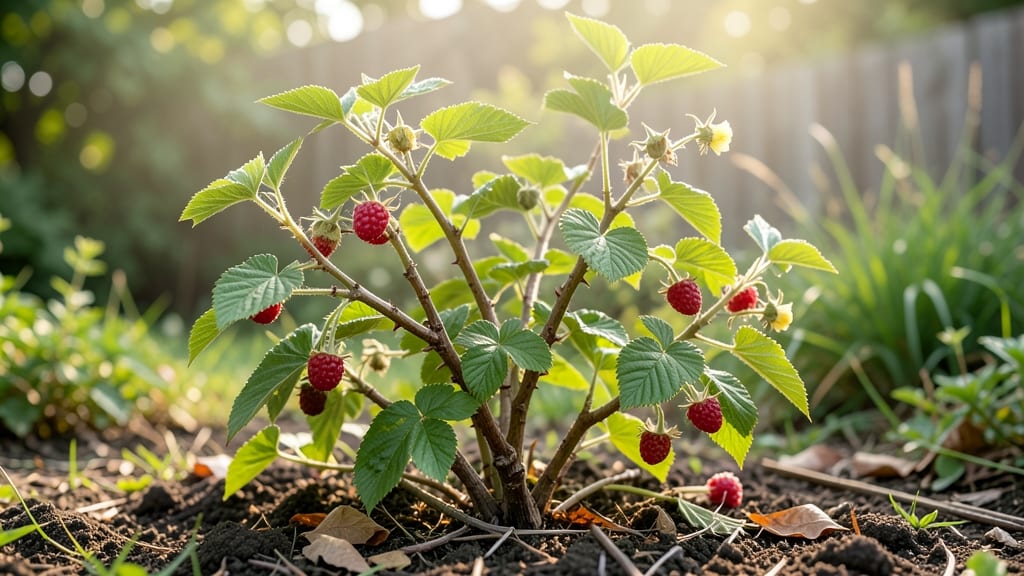
If you're planning a raspberry patch, knowing how tall do raspberries grow could mean the difference between a thriving garden and a messy tangle of canes. These 🍇 shrubs can reach impressive heights—some varieties stretching up to 7 feet—while others stay more manageable for smaller spaces.
Understanding your raspberry's potential height helps with everything from trellis setup to pruning strategies. Whether you're working with standard varieties or compact types, proper planning ensures your harvest stays accessible and your garden stays organized.
In this guide, I'll break down the height ranges of different raspberry types, explain how to support tall canes, and share tips for managing growth in your home garden. You'll learn exactly what to expect—and how to make the most of your space.
From first-year growth to mature plants, we'll cover everything you need to know to keep your raspberries healthy, productive, and within reach. Let’s get started!

Raspberry plant height guide: 5 to 7-Foot varieties compared
Raspberries come in a stunning variety of heights, with some reaching towering 7 feet or more while others stay compact. Understanding these differences helps you plan your garden layout and choose varieties that fit your space.
Most raspberries fall into the 5 to 7-foot range, but their growth habits vary dramatically between summer-bearing and fall-bearing types.
The height of raspberry canes directly impacts how you prune, trellis, and even harvest your berries.
For example, summer-bearing varieties like 'Boyne' or 'Heritage' typically grow 5 to 6 feet tall, while fall-bearing (primocane) types such as 'Fall Red' or 'Autumn Britten' can stretch up to 7 feet or taller. This distinction is crucial for maximizing yield and ease of maintenance.
Here’s a quick comparison of common raspberry varieties and their mature heights to help you visualize what to expect in your garden:
As you can see, fall-bearing raspberries tend to grow taller than their summer-bearing counterparts, often requiring strong support structures like trellises or fences. This height difference isn’t just about aesthetics—it affects how you prune and harvest.
For instance, taller varieties like 'Autumn Britten' may need year-round pruning to manage their height, while shorter types like 'Nova' are perfect for small gardens or containers.
Another key factor influencing raspberry height is pruning practices. If you skip pruning, canes can grow even taller and more unruly, leading to tangled messes that reduce air circulation and increase disease risk. Regular pruning keeps canes at a manageable height while encouraging stronger fruit production.
For 5 to 7-foot varieties, aim to prune in late winter or early spring to remove old canes and shape new growth.
When planning your raspberry patch, consider the spacing requirements for each variety. Taller raspberries need more space between plants—typically 3 to 4 feet apart—to allow for proper air flow and cane development.
In contrast, shorter varieties can be spaced 2 to 3 feet apart, making them ideal for urban gardens or small backyards. Always check the specific spacing recommendations for the variety you choose.
If you’re growing raspberries in a container or small space, opt for dwarf or semi-dwarf varieties like 'Heritage' or 'Nova', which stay under 6 feet. These are also easier to manage for beginners and require less intensive pruning.
However, if you have the space and want a bountiful harvest, taller varieties like 'Fall Red' or 'Caroline' will reward you with larger yields—just be prepared for their impressive height!
Remember, raspberry height isn’t set in stone—it’s influenced by factors like soil quality, sunlight, and water. Well-draining soil and full sun exposure (at least 6 hours daily) will encourage healthier growth, while consistent watering keeps canes from becoming leggy or weak.
With the right care, even the tallest raspberries can thrive in your garden.
For those with limited space, don’t overlook the benefits of vertical gardening. Installing a trellis or wire support can train tall raspberries to grow upward, saving ground space while making harvesting easier.
This method is especially useful for fall-bearing varieties, which produce fruit on new canes that grow taller each season.
🍇 Whether you’re a space-conscious urban gardener or have a sprawling backyard, choosing the right raspberry variety—and understanding its height—is the first step to a thriving patch. Now that you know what to expect, you’re ready to pick the perfect variety for your garden and start planning
Raspberry plant height guide: 5 to 7-Foot varieties compared
Understanding raspberry plant height is essential for planning your garden layout and maximizing fruit production. Most standard varieties reach 5 to 7 feet at maturity, but growth habits vary between summer-bearing and fall-bearing types.
Summer-bearing raspberries, like Boyne or Heritage, typically grow 6 to 8 feet and produce fruit on second-year canes. Fall-bearing varieties, such as Fall Gold or Heritage, also hit 5 to 7 feet but yield fruit on primocanes (first-year growth).
Height isn’t just about space—it impacts pruning needs, trellis requirements, and even yield potential. Taller canes need sturdy support to prevent sprawling, while shorter varieties may thrive in containers or small gardens.
If you’re working with limited space, consider semi-dwarf varieties like Caroline, which max out around 4 to 5 feet. For most home gardeners, though, the 5 to 7-foot range is the sweet spot for balance between productivity and manageability.
| Variety Type | Height Range | Growth Habit | Best For |
|---|---|---|---|
| Summer-Bearing | 6–8 ft | Floricane (2nd-year canes) | Large harvests, trellises |
| Fall-Bearing | 5–7 ft | Primocane (1st-year canes) | Extended harvest, smaller spaces |
| Semi-Dwarf | 4–6 ft | Floricane or Primocane | Containers, urban gardens |
Pruning plays a huge role in controlling height and encouraging fruit production. For summer-bearing varieties, I remove old canes after harvest to redirect energy into new growth. With fall-bearing types, I prune lightly in early spring to shape the plant without sacrificing primocane fruit.
Always use sharp pruners and cut at a 45-degree angle just above a bud to promote healthy regrowth. Neglecting pruning can lead to overcrowded canes, which reduce air circulation and increase disease risk.
Support structures are a game-changer for tall raspberries. A 6-foot trellis or kniffin wire system keeps canes upright, making harvesting easier and improving sunlight exposure to lower leaves. For 5 to 7-foot varieties, I recommend a T-post trellis with horizontal wires spaced 18 inches apart.
This setup not only supports the plant but also makes it easier to spot pests like raspberry cane borers or diseases like spur blight. Without support, canes can flop over, leading to broken stems and lost fruit.
Soil quality and sunlight also influence height. Raspberries thrive in well-draining soil with a pH of 5.5 to 6.5 and 6+ hours of full sun daily. Amending clay soil with compost can prevent stunted growth, while adding organic matter like peat moss or aged manure encourages robust cane development.
In my garden, I’ve seen Heritage raspberries grow 12 inches taller in enriched soil compared to poor-quality dirt. Mulching with straw or wood chips also helps retain moisture and regulate soil temperature, which is critical for consistent growth.
If you’re planning a raspberry patch, leave 3 to 4 feet of space between plants to allow for airflow and future growth. For 5 to 7-foot varieties, consider planting in rows with 8 to 10 feet between rows to accommodate trellises and easy access.
In smaller spaces, container-growing works well for semi-dwarf varieties like Caroline, which can thrive in 15-gallon pots with proper drainage.
Whether you’re aiming for a backyard bounty or a balcony harvest, choosing the right variety and support system ensures your raspberries reach their full potential—without taking over your garden.