
Flowers
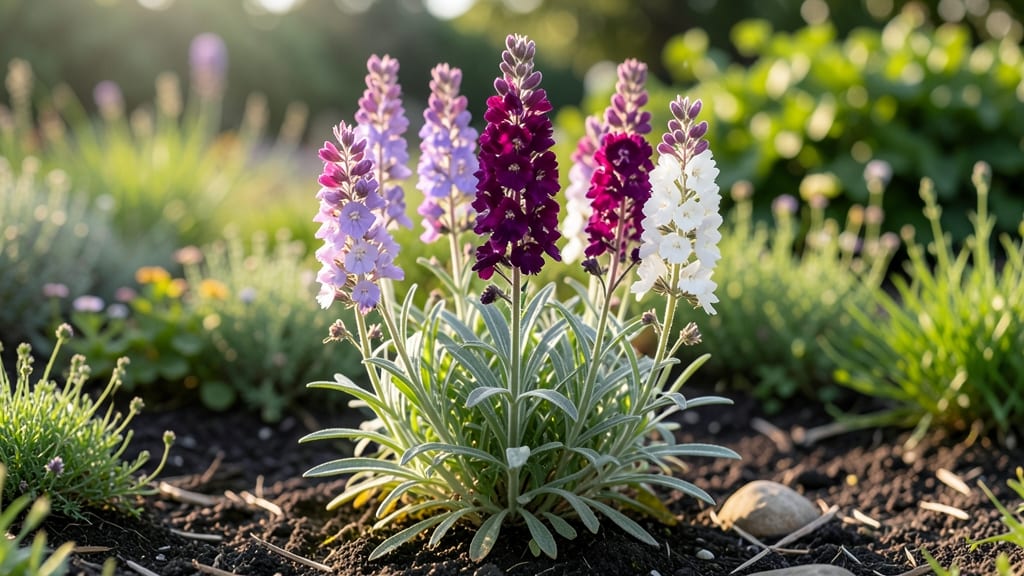
If you’ve ever wondered "how tall do stock flowers grow", you’re not alone—this fragrant favorite can surprise you with its range, from tiny 6-inch dwarfs to towering 5-foot giants.
The difference between these extremes often comes down to the variety you choose, and picking the right one for your space can make all the difference in your garden’s layout and health.
Stock flowers (🌸 Matthiola incana) are versatile plants that thrive in USDA Zone 6a and beyond, but their mature height varies dramatically.
Whether you’re dreaming of a delicate border or a bold cut-flower display, knowing these heights helps you plan spacing, companion plants, and even pruning strategies to keep them looking their best.
Dwarf varieties like ‘Giant Pink’ (though misleadingly named) stay compact, perfect for containers or cottage gardens, while taller types like ‘Rainbow Mix’ reach impressive heights—ideal for back borders or cutting arrangements.
The key to their full potential? Proper spacing and occasional pruning to encourage bushier growth without sacrificing those signature sweet-scented blooms.
Ready to transform your garden? Let’s break down the height spectrum, spacing rules, and tips to keep your stock flowers thriving—no matter how tall (or short) you want them to be.

Stock flower height by variety: dwarf to giant sizes explained
Stock flowers (Matthiola incana) are one of the most versatile annuals in your garden, offering a stunning range of heights that can transform your landscape.
From delicate 6-inch dwarf varieties perfect for window boxes to towering 5-foot giants that create dramatic backdrops, their size is one of their most defining traits. The height you choose directly impacts your garden design, from container arrangements to border plantings.
Most stock flowers fall into three distinct height categories: dwarf (6-12 inches), medium (12-24 inches), and tall (24-50+ inches). Each category serves different purposes in garden planning, whether you're creating a fragrant cottage garden or a structured cut-flower arrangement.
Understanding these variations helps you select the perfect variety for your space and aesthetic goals.
Let's explore the most popular stock flower varieties by height, including their mature sizes, growth habits, and ideal uses in the garden. This summary table provides a quick visual reference to help you make informed decisions before planting.
| Variety | Mature Height | Growth Habit | Best For |
|---|---|---|---|
| 'Dwarf Purple' | 6-12 inches | Bushy, compact | Containers, window boxes, borders |
| 'Rainbow Mix' | 12-18 inches | Upright, slightly spreading | Cut flowers, cottage gardens, mixed borders |
| 'Giant Pink' | 24-36 inches | Tall, sturdy stems | Backdrop plants, cut flower arrangements |
| 'Terracotta' | 18-24 inches | Semi-upright, bushy | Mixed borders, pollinator gardens |
| 'White Queen' | 36-48 inches | Very tall, slender stems | Tall borders, cut flower stems, focal points |
Dwarf varieties like 'Dwarf Purple' are ideal for small spaces, hanging baskets, or even indoor gardening near sunny windows. Their 6-12 inch height makes them perfect for edging pathways or creating colorful cascades in containers.
These compact plants typically bloom profusely, offering a 3-4 week display of fragrant blossoms that attract bees and butterflies.
Medium-height stocks, such as 'Rainbow Mix' and 'Terracotta', strike a balance between drama and manageability. Standing 12-24 inches tall, they work beautifully in mixed borders, pollinator gardens, or as mid-height accents in cut flower arrangements.
These varieties often produce longer stems than dwarf types, making them excellent choices for bouquets that last 5-7 days in a vase.
For those seeking a bold statement, tall stock flowers like 'Giant Pink' and 'White Queen' reach 24-48 inches at maturity. These varieties are perfect for creating vertical interest in your garden, serving as striking backdrops for shorter plants or as focal points in cottage-style gardens.
Their taller stems also make them prized cut flowers, capable of reaching 3-4 feet in height when grown in optimal conditions.
When selecting stock flowers, consider not just their height but also their growth habit. Bushy varieties like 'Dwarf Purple' spread outward, while taller types like 'White Queen' grow more upright.
This difference affects how you'll space them in your garden—bushier plants need more horizontal room, while tall varieties require vertical clearance to avoid flopping over.
Pro tip: If you're growing stock flowers for cut arrangements, choose taller varieties with longer stems (30+ inches). These will provide the most dramatic impact in bouquets and last longer in water. For container gardening, dwarf varieties are your best bet, as they won't outgrow their pots quickly.
Remember that stock flowers are annuals, meaning they complete their life cycle in one growing season. This gives you the flexibility to experiment with different heights each year without long-term commitment.
Whether you're a beginner gardener or a seasoned pro, understanding these height variations will help you create a garden that's both beautiful and well-balanced.
🌸
Stock flower height by variety: dwarf to giant sizes explained
Stock flowers (Matthiola incana) are one of the most versatile annuals for height variety—ranging from 6-inch dwarfs perfect for window boxes to 5-foot giants that anchor garden borders. Their upright, bushy growth habit makes them ideal for cut flower arrangements, while their fragrant blooms add sensory appeal.
Choosing the right variety ensures your garden layout works harmoniously, whether you prefer compact containers or tall, dramatic backdrops.
Most stock flowers reach maturity in 60–90 days, with height differences primarily determined by genetics. Dwarf varieties stay under 12 inches, while standard types typically hit 2–3 feet, and giant cultivars can exceed 4 feet.
Understanding these ranges helps you plan companion planting and succession spacing for continuous blooms throughout summer.
🌸 Stock Flower Height by Variety
| Variety | Height Range | Best For | Notes |
|---|---|---|---|
| 'Dwarf Purple' | 6–12 inches | Containers, window boxes | Compact, bushy, ideal for fairy gardens |
| 'Rainbow Mix' | 12–18 inches | Borders, cut flowers | Colorful, great for pollinators |
| 'Giant Pink' | 3–5 feet | Backdrop, cut arrangements | Tallest variety, needs staking |
| 'Terracotta' | 2–3 feet | Mixed borders, cottage gardens | Heat-tolerant, long-lasting blooms |
If you're growing stock flowers for cut arrangements, prioritize taller varieties like 'Giant Pink' or 'Terracotta', which produce long, sturdy stems (18–24 inches).
For container gardening, dwarf or semi-dwarf types thrive in 5–7 gallon pots, while medium-height varieties (18–24 inches) work well in hanging baskets or raised beds. Always check seed packets for mature height estimates, as some hybrids exceed expectations.
Pro tip: Mix heights in your garden design! Plant dwarf stock flowers in front of tall perennials like delphiniums or hollyhocks to create layered visual interest. Their clumping growth habit also makes them great for edging pathways or filling gaps between larger shrubs.
Just avoid placing them near aggressive spreaders like mint or creeping thyme, which can outcompete their roots.
For cut flower enthusiasts, aim to harvest stems when buds are fully open but before they fade. Tall varieties like 'Giant Pink' produce 3–5 stems per plant, while dwarfs yield 1–2 stems.
Deadhead regularly to encourage reblooming—this works for all heights but is especially effective for medium and tall types, which can produce continuous blooms from early summer to frost.