
Plants
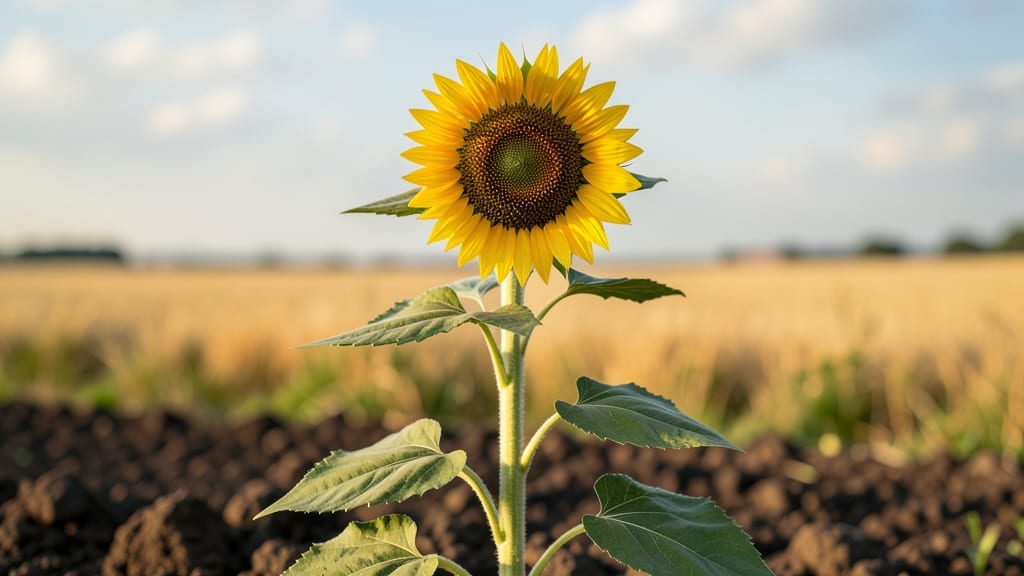
If you’ve ever wondered how tall do sunflower plants grow, you’re not dreaming—some varieties can reach skyward like natural skyscrapers, hitting 15 feet tall or more! But how tall your sunflowers will grow depends on the type you plant, where you live, and a few key growing tricks.
Picture this: a dwarf variety like ‘Little Becka’ stays cozy at just 1–3 feet, perfect for containers or small gardens, while giants like ‘Russian Mammoth’ shoot up to 12–15 feet, dwarfing even the tallest gardeners.
The difference isn’t just about space—it’s about sunlight, soil, and even when you plant.
Whether you’re aiming for a backyard centerpiece or a space-saving patio plant, knowing the right height range for your sunflower variety is the first step. I’ll break down exactly what to expect, plus how to support those towering beauties so they stand strong all season long.
Ready to turn your garden into a sunflower wonderland? Let’s dive into the heights, stages, and secrets behind these giant garden stars—and how to grow them like a pro.

Sunflower height by variety: from dwarf to giant types
Sunflowers are nature’s skyscrapers, and their height varies dramatically depending on the variety you choose. Whether you’re dreaming of a whimsical dwarf for containers or a monster mammoth to dwarf your fence, each type has its own growth story.
Let’s break down the height ranges and characteristics of popular sunflower varieties to help you pick the perfect giant—or pint-sized—plant for your garden.
First, it’s important to note that sunflower height is influenced by genetics, but environmental factors like soil depth, water availability, and sunlight exposure can push plants to their limits—or hold them back.
For example, a Russian Giant with ideal conditions might hit 14-15 feet, while the same variety in poor soil might max out at 10 feet. Always check seed packets for mature height estimates, but know that real-world growth can surprise you!
Here’s a quick guide to the most popular sunflower varieties, organized by height category. I’ve included visual traits and growing tips to help you visualize and cultivate each type.
| Variety | Height Range | Flower Size | Best For | Growing Tips |
|---|---|---|---|---|
| Little Becka (Dwarf) | 1–3 ft | 2–3 in | Containers, borders, cut flowers | Perfect for small spaces; deadhead for continuous blooms. |
| Teddy Bear (Semi-Dwarf) | 3–5 ft | 4–5 in | Cut flowers, pollinator gardens | Sturdy stems; great for bouquets. |
| Autumn Beauty (Standard) | 5–8 ft | 4–6 in | Backyard focal points, seed production | Needs staking for windy areas. |
| Russian Giant (Tall) | 10–15 ft | 6–8 in | Dramatic displays, shade for patios | Plant in deep soil; use strong stakes. |
| Moulin Rouge (Giant) | 12–14 ft | 8–10 in | Artistic gardens, photo ops | Needs rich soil and consistent water. |
🌻 Pro Tip: Dwarf varieties like 'Little Becka' are perfect for container gardening, while giants like 'Russian Giant' need deep soil and support stakes.
If you’re growing sunflowers for seeds, taller varieties like Russian Giant or Moulin Rouge produce larger seed heads, but they also require more space and support. For cut flowers, semi-dwarf varieties like Teddy Bear strike a balance between height and manageability.
And if you’re planting in containers, dwarf varieties like Little Becka are your best bet—they’ll thrive in 5-gallon pots with proper drainage.
One of my favorite tricks for controlling height is succession planting. By sowing seeds every 2 weeks in spring, you can enjoy a mix of heights throughout the season.
Start with dwarf varieties for early blooms, then add taller types as space opens up. This creates a stunning vertical display that changes every few weeks!
For giant sunflowers, focus on deep soil (at least 18 inches) and consistent watering. I’ve seen
How sunflower height changes across growth stages
Sunflowers don’t grow overnight—they follow a dramatic growth curve from tiny seedlings to towering giants. Understanding their height progression helps you predict when they’ll reach their full potential and when to provide support. Most varieties follow a predictable timeline, though environmental factors can speed up or slow down growth.
In the first 2 weeks, your sunflower seedlings will only reach 2-6 inches tall. This early stage focuses on root development, so avoid disturbing the soil. The first true leaves appear around 10-14 days, signaling the start of rapid vertical growth.
During this phase, ensure they get full sun exposure to prevent leggy stems.
By 4-6 weeks, your sunflowers will surge upward, often reaching 3-5 feet tall. This is when you’ll notice the main stem thickening and side branches forming. If you planted a giant variety, this is the moment to install support stakes (more on this later).
Regular watering—1-2 gallons per plant every 3-5 days—prevents stunted growth during this critical phase.
- Week 1-2: 2-6 inches (seedling stage, focus on roots)
- Week 3-4: 1-3 feet (rapid stem elongation begins)
- Week 5-6: 3-5 feet (install stakes for tall varieties)
- Week 7-8: 6-10 feet (flower buds form, peak growth speed)
- Week 9-12: Full height (8-15 ft) (blooming and seed development)
Between 6-8 weeks, sunflowers enter their fastest growth phase, often adding 1-2 feet per week for giant varieties. This is when you’ll see the flower buds forming at the top of the stem. If your plants start leaning, it’s a sign they need staking or pruning to redirect energy.
During this stage, deep watering (soaking the soil 12 inches deep) encourages stronger root systems to support their rapid ascent.
By 8-10 weeks, most sunflowers reach their maximum height, though dwarf varieties may plateau earlier. Giant types like Russian Giant or Mammoth can top out at 12-15 feet, while semi-dwarf varieties like Teddy Bear might only reach 5-6 feet.
The flower head will fully open, and you’ll notice the back of the bloom turning brown, signaling the start of seed maturation.
After flowering, growth slows as the plant shifts energy to seed production. The stem may even shrink slightly as moisture is drawn upward. This is the perfect time to harvest seeds or deadhead spent blooms to encourage side shoots for a second flush of flowers.
If you’re growing sunflowers for cut flowers, harvest when the petals are fully open but before they brown.
Remember, these timelines are general guidelines. Factors like soil fertility, temperature, and daylight hours can adjust the pace. For example, sunflowers grown in longer daylight conditions (like summer) may bolt faster and reach maturity sooner than those planted in shorter spring days.
Keep an eye on your plants and adjust care accordingly!