
How To
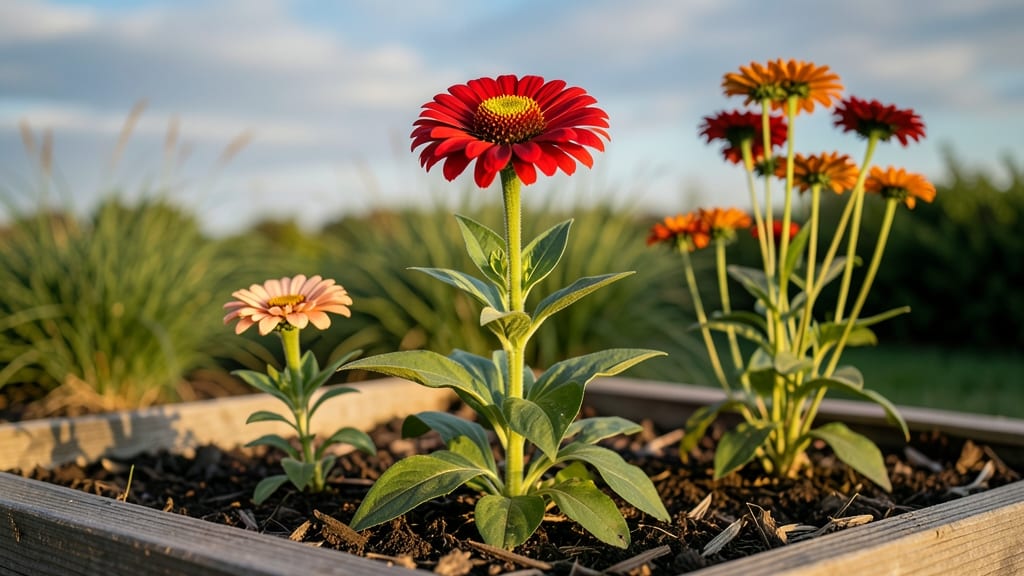
If you’ve ever wondered "how tall do zinnia grow", the answer might surprise you—these cheerful blooms can range from pint-sized 6-inch dwarfs to towering 4-foot giants, all packed into the same sunny garden bed.
Whether you’re dreaming of a 🌼 Zinnia ‘Thumbelina’ cascading over a pot or a ‘Benary’s Giant’ reaching for the sky, the right variety can transform your space with minimal effort.
The key to getting the height you want starts with choosing the right type. Dwarf zinnias stay compact, making them perfect for containers or edging, while tall varieties thrive as dramatic backdrops in borders.
But here’s the secret: sunlight, soil, and even a little pruning can push your zinnias to grow taller—or keep them neatly trimmed.
Let’s break down the exact height ranges by variety and share the simple tricks to encourage (or control) their growth. You’ll learn how to space them for airflow, pick the best companions, and avoid common mistakes that stunt their potential. Ready to turn your garden into a zinnia height show?
From 1-foot semi-dwarfs to 4-foot giants, we’ll cover everything you need to know—so you can pick the perfect zinnias for your space and watch them flourish all season long.

Zinnia height ranges by variety: from dwarf to giant sizes
Zinnias are one of the most versatile flowers in your garden, offering heights ranging from compact dwarfs to towering giants. Whether you're designing a window box, a cutting garden, or a backyard border, choosing the right variety ensures your zinnias thrive and complement your space perfectly.
The height of your zinnias depends entirely on the variety, with some reaching just 6 inches tall while others soar to 4 feet or more.
Understanding these height differences helps you plan for proper spacing, sunlight exposure, and support structures. For example, tall zinnias like 'Benary’s Giant' need room to sway in the breeze, while dwarf varieties like 'Thumbelina' thrive in tight containers.
Let’s explore the key height categories and the best varieties for each.
| Height Category | Variety Examples | Ideal Use | Spacing Needs |
|---|---|---|---|
| Dwarf (6–12 in) | 'Thumbelina', 'Crystal', 'Lilliput' | Containers, window boxes, edging | 6–12 inches apart |
| Semi-Dwarf (1–2 ft) | 'Zahara', 'Crystal Series', 'Profusion' | Borders, mixed containers, pollinator gardens | 12–18 inches apart |
| Standard (2–3 ft) | 'Benary’s Giant', 'State Fair', 'Persian Carpet' | Cutting gardens, back borders, cottage gardens | 18–24 inches apart |
| Giant (3–4 ft) | 'Envy', 'Peach', 'Double Envy' | Back of borders, tall arrangements, focal points | 24–36 inches apart |
If you're growing zinnias for cut flowers, taller varieties like 'Benary’s Giant' or 'Envy' are ideal because their long stems hold up well in bouquets.
These giants can reach 4 feet tall with proper care, making them perfect for backyard borders or as a dramatic focal point in your garden. Their height also makes them excellent for screening plants or adding vertical interest to a pollinator-friendly garden.
On the other hand, dwarf zinnias like 'Thumbelina' are perfect for small spaces, balcony gardens, or container plantings. Their 6–12 inch stature makes them ideal for window boxes or edging flower beds.
These varieties also bloom profusely, offering non-stop color in a compact package. Pair them with low-growing herbs or succulents for a charming, layered look.
For medium-height zinnias like 'Zahara' or 'Profusion', you’ll find a balance between space and abundance. These 1–2 foot varieties work well in mixed borders, pollinator gardens, or even as spillers in containers.
Their versatility makes them a favorite for gardeners who want height without overwhelming their space. Plus, they’re drought-tolerant once established, making them low-maintenance choices.
When planning your garden layout, consider how zinnias of different heights can create visual layers. Place tall varieties at the back of borders and dwarf varieties in the front to draw the eye through your garden.
You can also use height variation to guide pathways or frame garden features like benches or fountains. For example, a row of 3-foot 'State Fair' zinnias behind a 1-foot 'Thumbelina' border creates a dynamic, textured display.
One pro tip for maximizing height is to prune regularly. Pinching back the tips of young plants encourages bushier growth and more secondary blooms. This technique works especially well for taller varieties, helping them grow stronger stems and fuller blooms.
Just avoid over-pruning, as this can stunt growth or reduce flowering.
Finally, remember that zinnias thrive in full sun and well-draining soil. If you’re growing tall varieties, consider adding stakes or cages to prevent wind damage or stem flopping. For container-grown zinnias, choose pots with drainage holes
Zinnia height ranges by variety: from dwarf to giant sizes
Zinnias are one of the most versatile flowers in the garden, offering a stunning range of heights that can transform your landscape. Whether you're dreaming of a container garden or a dramatic backyard border, there's a zinnia variety to match.
The key to choosing the right one lies in understanding their mature heights and how they fit into your space.
From dwarf zinnias that barely peek over a patio railing to giant varieties reaching nearly four feet, each type has unique growing habits. For example, my Thumbelina Series zinnias stay compact at just 6-12 inches, while Benary’s Giant can tower up to 4 feet tall.
This variety range means you can create layered garden designs with ease.
| Variety | Height Range | Best For |
|---|---|---|
| Thumbelina Series | 6-12 inches | Containers, window boxes |
| Profusion Series | 12-18 inches | Front borders, hanging baskets |
| Crystal Series | 18-24 inches | Mixed borders, cut flowers |
| Benary’s Giant | 36-48 inches | Back borders, cut flower arrangements |
| Zahara Series | 24-36 inches | Mid-border height, focal points |
The height range of zinnias isn't just about aesthetics—it also affects their growing conditions. Taller varieties like Benary’s Giant need sturdy stems to support their weight, so I always plant them in well-draining soil with plenty of space.
Dwarf varieties, on the other hand, thrive in small containers and can even grow in partial shade, making them perfect for urban gardens.
Sunlight plays a crucial role in determining how tall your zinnias will grow. All varieties need at least 6-8 hours of full sun daily to reach their full potential. Without enough light, even the tallest zinnias will stay short and leggy.
I've found that planting them in the southern exposure of my garden gives them the best chance to grow to their ideal height.
Pruning also influences height. Regularly deadheading spent blooms encourages more compact growth and prevents the plant from becoming too leggy. For taller varieties, I recommend staking or caging them early in the season to support their height and prevent flopping.
This simple step can make a big difference in how your zinnias perform throughout the summer.
When selecting zinnias for your garden, consider not just their height but also their blooming patterns. Some varieties, like the Profusion Series, produce continuous blooms from early summer to frost, while others may have a shorter flowering season.
This knowledge helps you plan for a garden that stays vibrant all season long.