
Flowers
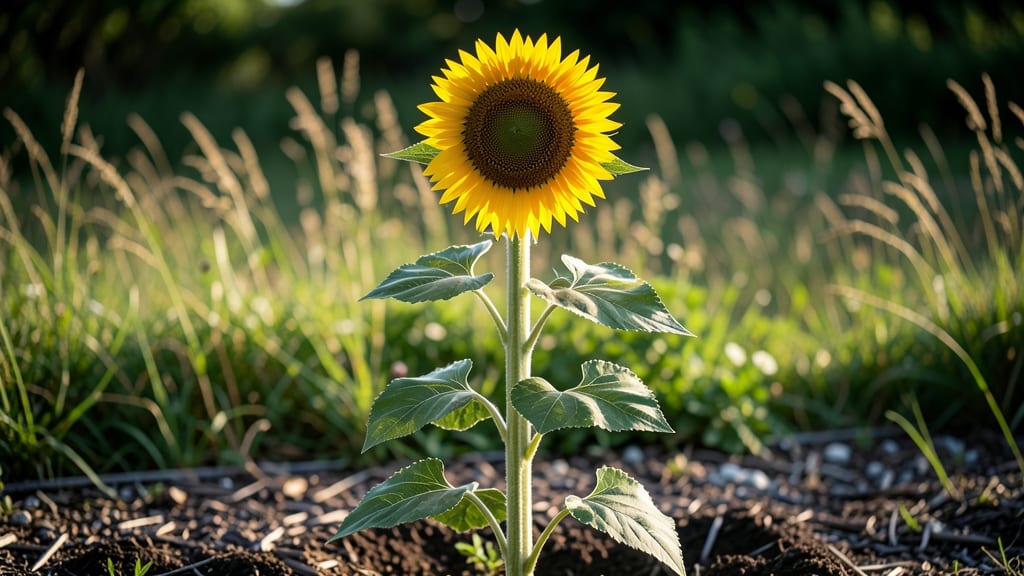
If you've ever wondered how tall sunflowers grow, you're not alone—these towering beauties can turn your garden into a living skyline. 🌻 From delicate dwarf varieties that barely brush your knees to giant sunflowers that stretch taller than a basketball hoop, the possibilities are endless.
The right variety can make all the difference, whether you're dreaming of a whimsical border or a dramatic centerpiece. Some sunflowers stay compact, perfect for containers, while others reach 16 feet—that's taller than most people!—adding vertical drama to any space.
But height isn't just about the variety—soil, sunlight, and care play huge roles in determining how tall your sunflowers will grow. With the right conditions, even smaller types can surprise you with extra growth, while giants need extra attention to reach their full potential.
Ready to turn your garden into a sunflower spectacle? I’ll walk you through the best varieties, care tips, and secrets to maximizing height—so you can grow sunflowers that steal the show, no matter your space or style.

Sunflower height ranges: from dwarf varieties to towering giants
Sunflowers come in a stunning array of heights, from compact dwarf varieties perfect for containers to giant sunflowers that can reach the sky. The height of your sunflowers depends entirely on the variety you choose, with some staying under 3 feet while others tower over 12 feet.
Understanding these ranges helps you plan your garden layout, whether you're creating a whimsical border or a dramatic focal point.
For gardeners with limited space, dwarf sunflowers (1-3 feet) are ideal for patios, balconies, or small gardens. These varieties often produce multiple blooms per stem, making them perfect for cut flowers and container gardening.
Meanwhile, giant sunflowers (8-16 feet) are the stars of large gardens, providing shade and vertical interest that draws the eye upward.
Here’s how sunflower heights break down by category, along with their best uses in your garden:
| Variety Type | Height Range | Best Uses | Examples |
|---|---|---|---|
| Dwarf | 1–3 ft | Containers, borders, cut flowers | 'Teddy Bear', 'Moulin Rouge' |
| Semi-Dwarf | 3–6 ft | Backyard borders, pollinator gardens | 'Lemon Queen', 'Autumn Beauty' |
| Standard | 6–10 ft | Cut flowers, privacy screens | 'ProCut', 'Russian Giant' |
| Giant | 10–16 ft | Dramatic focal points, shade providers | 'Mammoth', 'Giant Russian' |
When selecting sunflowers, consider not just height but also stem strength. Taller varieties often need staking or support to prevent them from toppling in wind or rain. For example, 'Russian Giant' can grow over 12 feet but may require bamboo stakes for stability.
Dwarf varieties, on the other hand, are self-supporting and perfect for window boxes or hanging baskets.
Another key factor is growth rate. Giant sunflowers can shoot up 3–4 inches per day during peak growth, while dwarf varieties grow more slowly. If you’re growing sunflowers for cut flowers, standard or semi-dwarf varieties strike a balance between height and manageability.
Their long vase life makes them a favorite for bouquets.
For pollinator gardens, taller sunflowers attract bees and butterflies from a distance, while dwarf varieties provide easy access for smaller insects. Mixing heights in your garden creates a layered effect, adding depth and visual interest.
For instance, plant dwarf sunflowers in the front row, medium varieties in the middle, and giant sunflowers at the back for a stunning, sun-filled display.
If you’re new to growing sunflowers, start with a mix of heights to test what works best in your space. Even giant varieties can be grown in containers if you use large pots and provide adequate support.
With the right variety, your sunflowers can become the showstopper of your garden—whether they’re whisper-quiet dwarfs or towering giants reaching for the clouds.
🌻
Factors that influence sunflower height: soil, sunlight, and care
Sunflowers can grow from dwarf varieties under 3 feet to giant varieties over 12 feet, but their final height depends on more than just genetics. I’ve found that soil quality, sunlight exposure, and proper care play equally important roles in determining how tall your sunflowers will reach.
For example, a Russian Giant might only hit 8 feet in poor soil but could soar to 14 feet with ideal conditions.
One of the biggest factors is sunlight exposure. Sunflowers thrive in full sun (6-8+ hours daily), but even slight shading can stunt their growth. I once grew Autumn Beauty sunflowers in a partially shaded spot, and they only reached half their expected height.
If you’re planting near trees or structures, choose dwarf or semi-dwarf varieties instead.
Soil quality is another game-changer. Sunflowers prefer well-draining, nutrient-rich soil with a pH between 6.0 and 7.5. If your soil is clay-heavy or compacted, roots struggle to access water and nutrients, limiting height. I recommend amending your soil with compost or aged manure before planting. Even a small improvement can mean the difference between a 6-foot and a 10-foot sunflower!
Watering habits also affect height. While sunflowers are drought-tolerant once established, inconsistent watering during early growth can lead to stunted stems and weak stems. I water mine deeply once a week (or more in extreme heat) and avoid wetting the leaves to prevent fungal diseases.
A consistent moisture schedule helps sunflowers grow tall and strong.
Finally, fertilization timing matters. Too much nitrogen early on can produce lush foliage but delay flowering and reduce height. Instead, I use a balanced 5-10-10 fertilizer lightly when plants are 6 inches tall, then switch to a low-phosphorus feed once buds form.
This ensures energy goes toward stem growth rather than leaves.
By paying attention to these factors, you can push your sunflowers to their full height potential. Whether you’re aiming for a dwarf variety in a container or a giant sunflower as a backyard centerpiece, the right conditions make all the difference! 🌱