
How To
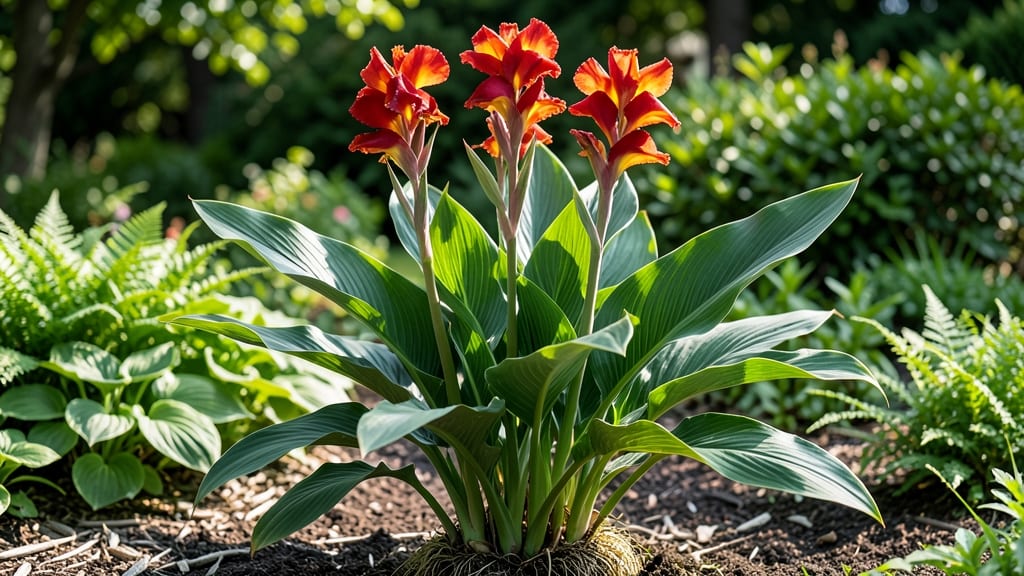
If you’re wondering how tall does a canna lily grow, you’re about to discover why these tropical beauties steal the show in any garden. Picture this: bold, 🌸 canna lilies reaching skyward, their vibrant blooms adding drama and height to your outdoor space.
These plants aren’t just pretty—they’re powerhouses, with some varieties stretching up to 7 feet tall. Whether you’re working with a small balcony or a sprawling backyard, knowing their growth potential helps you plan the perfect spot for them.
From dwarf types that stay compact to towering giants, there’s a canna lily size for every garden.
But here’s the kicker: their height isn’t just about looks. Canna lilies thrive in USDA Zone 6a and beyond, making them a game-changer for adding tropical flair to your landscape.
With the right care, you can coax them to reach their full potential, creating a stunning vertical display that turns heads.
Ready to transform your garden? I’ll walk you through everything you need to know—from choosing the right variety to maximizing their height and keeping them healthy. Let’s get growing!

Canna lily height by variety: from compact to sky-high giants
When you’re planning your garden’s vertical impact, knowing how tall canna lilies grow helps you choose the perfect variety for your space. These tropical beauties range from dwarf varieties under 3 feet to giant cultivars towering over 7 feet, making them incredibly versatile.
The height of your canna lilies depends on the variety, growing conditions, and care—so let’s break down what to expect from each type.
For gardeners with limited space, dwarf canna lilies like ‘Pyramid’ or ‘Lucifer’ stay between 2 to 3 feet tall, perfect for containers or small garden beds. Meanwhile, standard varieties such as ‘Durban’ or ‘Tropicana’ can reach 5 to 7 feet, creating dramatic focal points.
Even their foliage contributes to height, with broad, sword-like leaves that add texture and volume.
Here’s a quick comparison to visualize their growth potential:
| Variety | Height Range | Best For |
|---|---|---|
| Dwarf ('Lucifer', 'Pyramid') | 2–3 ft | Containers, small gardens |
| Semi-Dwarf ('Australia', 'Cherokee') | 4–5 ft | Border planting, mid-height beds |
| Standard ('Durban', 'Tropicana') | 5–7 ft | Back of borders, focal points |
| Giant ('Red King Humbert') | 6–8 ft | Large gardens, tropical themes |
If you’re growing canna lilies in containers, expect slightly shorter heights—typically 1 to 2 feet less than their in-ground counterparts. This is because root growth is restricted, limiting their ability to reach their full potential.
However, even container-grown cannas can still add significant height and drama to patios or balconies.
For maximum height, provide full sun exposure (at least 6 hours daily) and rich, well-draining soil. These conditions encourage vigorous growth, helping your cannas reach their peak height faster. In shadier conditions, expect slightly shorter plants with fewer blooms, but they’ll still thrive as foliage plants.
Another factor influencing height is age. In their first year, canna lilies often grow 3 to 5 feet tall, but by their second or third year, they can easily surpass 6 feet if given ideal conditions.
This makes them a long-term investment for gardeners looking to build vertical interest over time.
Pro tip: If you’re concerned about overcrowding, plant canna lilies in clusters of 3 to 5 for a fuller look, rather than spacing them too far apart. Their broad leaves create a natural screen, making them ideal for privacy or windbreaks in tropical garden designs.
For gardeners in USDA Zones 8–11, canna lilies are perennial and will return year after year, growing taller and more robust with each season. In colder climates (Zones 6–7), treat them as tender perennials—dig up rhizomes in fall and replant the following spring for continued height growth.
Now that you know the height ranges, you can strategically place canna lilies to create layers in your garden. Pair shorter varieties with low-growing annuals like impatiens, while taller cannas can anchor sun-loving perennials like black-eyed Susans or coneflowers.
Their bold foliage and vibrant blooms will draw the eye upward, making your garden feel instantly more dynamic.
Canna lily height by variety: from compact to sky-high giants
Canna lilies are nature’s way of adding vertical drama to your garden, but their height can vary dramatically depending on the variety. Whether you’re working with a cozy patio or a sprawling backyard, understanding these height ranges will help you choose the perfect canna lily for your space.
Some stay as short as 2 feet, while others soar to 7 feet—making them a versatile choice for gardeners of all styles.
For gardeners with limited space, dwarf varieties like 'Pyramid' or 'Hawaiian Sunset' top out around 2-3 feet, perfect for containers or small beds. Meanwhile, standard varieties such as 'Durban' or 'Cleopatra' reach 5-7 feet, creating stunning focal points in tropical-themed gardens.
Knowing these differences ensures you’ll pick a variety that fits your vision without overwhelming your layout.
| Variety | Height Range | Best For |
|---|---|---|
| Dwarf ('Pyramid', 'Hawaiian Sunset') | 2–3 ft | Containers, small beds |
| Semi-Dwarf ('Striped', 'Pretoria') | 4–5 ft | Mixed borders, medium beds |
| Standard ('Durban', 'Cleopatra') | 5–7 ft | Backyard focal points, tropical gardens |
Height isn’t just about aesthetics—it also affects sunlight exposure and air circulation. Taller varieties may need staking in windy areas, while shorter ones can thrive in partial shade. For example, the 7-foot 'Durban' variety thrives in full sun but benefits from support to prevent flopping.
Meanwhile, the 3-foot 'Pyramid' can handle slightly shadier spots, making it ideal for under trees or near north-facing walls.
If you’re planting canna lilies in containers, choose dwarf or semi-dwarf varieties to avoid overcrowding. A 5-gallon pot works well for 3-4 foot varieties, while larger containers (15+ gallons) are needed for 5-7 foot giants.
Always use well-draining soil mixed with compost to encourage strong root growth and maximize height potential.
Pro tip: Prune leggy stems in early spring to encourage bushier growth and prevent top-heavy plants from toppling. This also helps redirect energy to flower production, ensuring your canna lilies reach their full height potential while staying sturdy.
With the right variety and care, you’ll have a garden that feels like a tropical escape—no passport required!
🌿