
How To
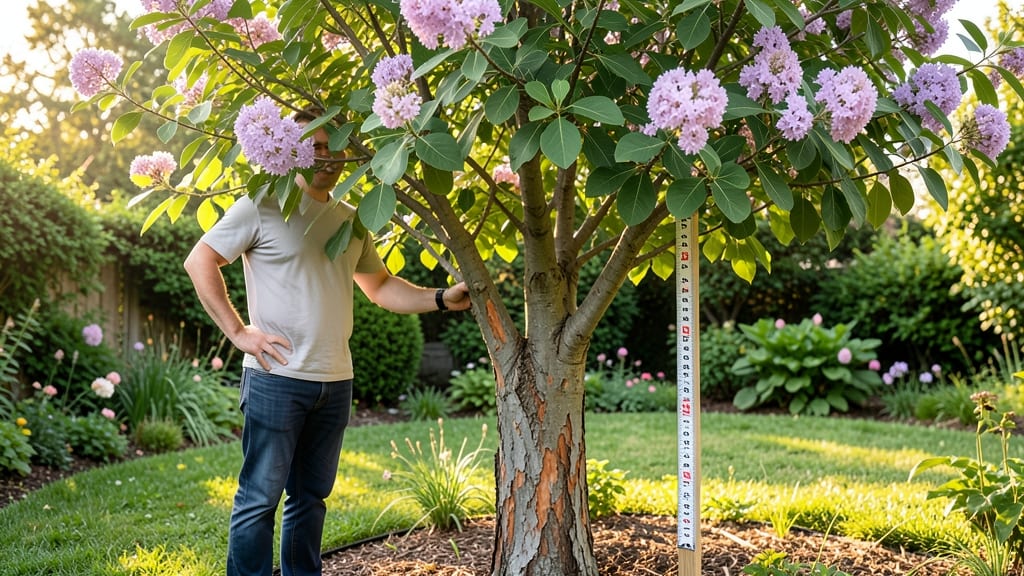
Wondering how tall does a crepe myrtle tree grow before it becomes a backyard giant? This stunning 🌳 can reach anywhere from 6 feet to towering 30 feet, depending on the variety you choose.
If you're dreaming of vibrant blooms but limited space, don't worry—there are compact options that stay under 12 feet. The key is selecting the right cultivar and understanding how pruning can shape your tree's future height.
Whether you're planning a small urban garden or a sprawling landscape, knowing these growth patterns helps you make confident planting decisions. I'll break down everything you need to keep your crepe myrtle at your ideal height.
From dwarf varieties perfect for patios to standard trees that make bold statements, we'll explore how to get the perfect fit for your space while keeping maintenance simple and effective.

Crepe myrtle tree growth chart: height by variety and age
Crepe myrtles are prized for their vibrant summer blooms and adaptable nature, but their mature height can vary dramatically depending on the variety you choose.
If you're planning your landscape, knowing these growth patterns helps you select the perfect tree for your space—whether you want a small accent tree or a statement specimen.
Most crepe myrtles reach their full height within 5-10 years, but some varieties grow aggressively, while others stay compact. For example, the 'Natchez' variety can tower over 25 feet, while dwarf varieties like 'Arapaho' max out around 6-8 feet.
Understanding these differences ensures you avoid overgrowth headaches later.
Below is a detailed growth chart showing height projections for popular crepe myrtle varieties at 5 years, 10 years, and maturity. This helps you visualize how each type will fit into your landscape over time.
| Variety | 5-Year Height | 10-Year Height | Mature Height | Best For |
|---|---|---|---|---|
| Natchez | 10-12 ft | 18-22 ft | 25-30 ft | Large yards, privacy screens |
| Muskogee | 8-10 ft | 15-18 ft | 20-25 ft | Medium spaces, focal points |
| Arapaho (Dwarf) | 3-4 ft | 5-6 ft | 6-8 ft | Small yards, containers, patios |
| Tonto | 5-6 ft | 8-10 ft | 10-12 ft | Small to medium yards |
| Catawba | 10-12 ft | 18-20 ft | 25-30 ft | Large landscapes, shade trees |
If you're working with limited space, dwarf varieties like 'Arapaho' or 'Tonto' are ideal. These stay under 8 feet at maturity, making them perfect for containers, small patios, or urban gardens. For larger properties, varieties like 'Natchez' or 'Catawba' provide dramatic height and seasonal interest.
Remember, pruning habits can influence height too. Even fast-growing varieties can be kept smaller with regular structural pruning. I’ll cover pruning techniques in the next section to help you maintain your crepe myrtle at your desired height.
For urban gardeners, consider the 'Centennial' variety, which typically stays between 12-15 feet. This makes it a great middle-ground option for medium-sized yards where you want height without overwhelming your space.
When selecting a crepe myrtle, also consider your climate zone. Most varieties thrive in USDA Zones 6-9, but dwarf varieties often tolerate cooler temperatures better, making them a safer bet for northern gardens.
Pro tip: If you're unsure about height, start with a smaller variety and always plant near power lines or structures to avoid future conflicts. A crepe myrtle’s spreading branches can reach 15-20 feet wide at maturity, so leave plenty of room!
How to control crepe myrtle height through strategic pruning
Crepe myrtles are stunning but can quickly outgrow small yards if left unchecked. The key to maintaining their height lies in strategic pruning—timing, technique, and tools all play critical roles. Unlike many trees, crepe myrtles bloom on new wood, so pruning too late can reduce next year’s flowers.
Let’s break down how to keep your tree at your desired height without sacrificing those vibrant blooms.
Start by understanding your tree’s growth habits. Most standard varieties grow 2-3 feet per year, while dwarf types like ‘Arapaho’ stay under 12 feet tall.
If your tree is already taller than planned, don’t panic—pruning in late winter (before buds swell) is the best time to reset its height. This gives the tree time to recover and still produce flowers that summer.
Here’s a step-by-step guide to pruning for height control, ensuring your crepe myrtle stays within your landscape vision while thriving:
Step 1: Prune in Late Winter
Cut back one-third of the tallest branches to the nearest bud or lateral branch. This encourages bushier growth and controls vertical expansion.
Step 2: Remove Suckers and Watersprouts
Eliminate suckers at the base and watersprouts (thin, vertical shoots) to redirect energy into the main structure.
Step 3: Thin the Canopy
Remove 1-2 branches per year from the center to improve airflow and sunlight penetration, which reduces disease risk.
Step 4: Shape for Balance
Use hand pruners or loppers to shape the tree evenly. Avoid cutting into old wood (brown centers)—this won’t produce new blooms.
Step 5: Clean Up Tools
Disinfect pruners with rubbing alcohol between cuts to prevent spreading bacterial diseases like canker.
For dwarf varieties, pruning is even simpler—just trim back any leggy growth in early spring to maintain their 6-12 foot height. Avoid heavy pruning in summer, as this can stimulate weak, late-season growth that won’t harden off before winter.
With consistent care, your crepe myrtle will stay lush, blooming, and perfectly sized for your space.
Pro tip: Mark your pruning schedule on your calendar to avoid missing the late winter window. A little effort now saves you from wrestling with a 20-foot tree later! 🌳