
How To
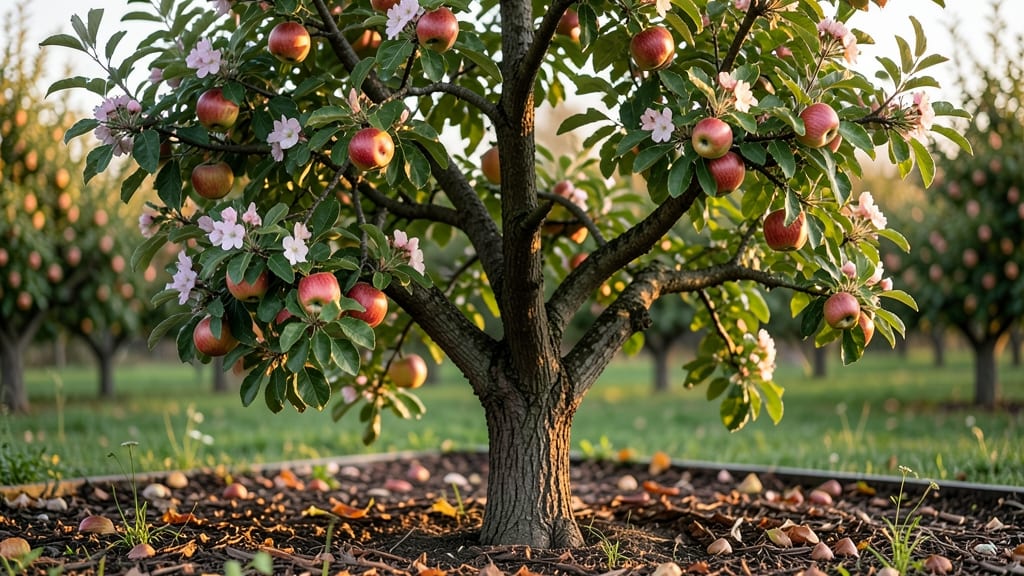
If you're dreaming of harvesting sweet, crisp 🍎 Fuji apples right from your backyard, the first question you’ll ask is: How tall does a Fuji apple tree grow? The answer might surprise you—because this popular variety can range from a manageable 8-foot dwarf to a towering 25-foot standard tree, depending on the rootstock and care you provide.
For gardeners with limited space, dwarf Fuji apple trees are the perfect solution—they stay compact while still producing abundant fruit. But if you have room to spare, standard varieties offer that classic apple orchard experience, just with a smaller footprint than you might expect.
The key lies in choosing the right size for your garden layout and learning how to manage growth for optimal fruit production.
Whether you’re planning a cozy container garden or a full orchard, understanding these height variations will help you make the best choice.
I’ll break down the differences between dwarf, semi-dwarf, and standard Fuji apple trees, plus share practical tips to keep your tree at the perfect height for your space—without sacrificing those juicy, flavorful apples you’re craving.
Ready to transform your backyard into an apple paradise? Let’s dive into what you need to know before planting your Fuji apple tree this spring.

Fuji apple tree height variations: dwarf, semi-dwarf, and standard sizes explained
When planning your orchard or backyard garden, understanding the Fuji apple tree height is crucial. This variety can range from a manageable 6-foot dwarf to a towering 25-foot standard tree, depending on the rootstock used. The right size depends on your space, sunlight, and maintenance goals.
Most nurseries offer Fuji apple trees grafted onto different rootstocks to control their mature height. Dwarf varieties like M.9 or B.9 rootstocks stay between 6–10 feet tall, perfect for containers or small gardens. Meanwhile, semi-dwarf rootstocks (MM.106 or MM.111) reach 12–16 feet, ideal for suburban yards.
Standard Fuji apple trees on seedling rootstocks grow the tallest, often 18–25 feet, requiring ample space and professional pruning. These giants need 20+ feet of clearance for branches and produce more fruit but demand significant upkeep.
Here’s how height varies by rootstock type and growth stage:
| Rootstock Type | Mature Height | Growth Rate | Best For |
|---|---|---|---|
| Dwarf (M.9, B.9) | 6–10 ft | Slow to moderate | Containers, small yards |
| Semi-Dwarf (MM.106, MM.111) | 12–16 ft | Moderate | Suburban backyards |
| Standard (Seedling) | 18–25 ft | Fast | Large properties, orchards |
Note: Height can vary by 1–2 feet based on climate and care.
The rootstock determines not just height but also fruit production timing and cold hardiness. Dwarf rootstocks, for example, bear fruit 1–2 years earlier than standard trees but may produce smaller yields. Semi-dwarf trees strike a balance, offering larger fruit and higher yields while staying manageable.
In my Zone 6a garden, I planted a Fuji apple tree on MM.106 rootstock, which now stands at 14 feet tall after 5 years. It produces 50–70 pounds of fruit annually with minimal pruning, proving semi-dwarfs are ideal for medium-sized spaces.
For containers, I’ve seen M.9 rootstock trees thrive in 15-gallon pots with regular pruning.
Climate also plays a role. In warmer zones (7+), Fuji trees on dwarf rootstocks may grow 1–2 feet taller due to longer growing seasons. Conversely, in colder zones (5 or below)), standard trees may struggle unless grafted onto hardy rootstocks like Antonovka.
If you’re unsure which size to choose, consider your pruning goals and harvesting needs. Dwarf trees require annual pruning to maintain shape, while standard trees need structural pruning every 2–3 years. Semi-dwarfs offer a middle ground with moderate upkeep and high fruit production.
For urban gardeners, espaliered Fuji trees (trained flat against a wall) can reach 8–12 feet tall while saving space. This technique works best with dwarf or semi-dwarf rootstocks and requires seasonal pruning to maintain the desired shape.
Remember: Soil quality and sunlight directly impact height. Poor soil or less than 6 hours of sun can stunt growth by 20–30%. Always amend your soil with compost and organic matter before planting to ensure optimal growth.
🌱
Fuji apple tree height variations: dwarf, semi-dwarf, and standard sizes explained
When planning your orchard or backyard garden, the Fuji apple tree height can make or break your layout. This popular variety comes in three main sizes, each influenced by the rootstock used during propagation. Understanding these differences helps you choose the perfect tree for your space and maintenance style.
Dwarf Fuji apple trees top out at 6–10 feet, making them ideal for small yards, containers, or even urban patios. Their compact size also means they fruit earlier—often within 2–3 years—and produce smaller, manageable harvests.
Semi-dwarf varieties reach 12–16 feet, striking a balance between manageable height and higher yield potential.
| Type | Mature Height | Rootstock Examples | Best For |
|---|---|---|---|
| Dwarf | 6–10 ft | M.9, B.9 | Containers, small yards |
| Semi-Dwarf | 12–16 ft | MM.106, MM.111 | Backyards, larger pots |
| Standard | 18–25 ft | Seedling, MM.104 | Orchards, large properties |
Standard Fuji apple trees can soar to 18–25 feet, resembling the classic apple trees you’d see in a traditional orchard. These giants require ample space, regular pruning, and sturdy support but reward you with larger harvests and longer productivity.
The rootstock determines not just height but also cold hardiness, disease resistance, and growth vigor.
Climate plays a role too. In warmer regions, Fuji trees may grow slightly taller due to extended growing seasons, while cooler climates can stunt growth if the rootstock isn’t well-suited.
Always check your USDA hardiness zone and choose a rootstock rated for your area to ensure healthy growth and fruit production.
For urban gardeners or those with limited space, dwarf varieties are a game-changer. They fruit 2–3 years faster than standard trees and can even thrive in large containers (minimum 15-gallon pots). Just ensure your container has drainage holes and use a high-quality potting mix to prevent root rot.
No matter which size you choose, remember that pruning and training can further influence height. Regular pruning in late winter or early spring keeps trees manageable, improves airflow (reducing disease), and encourages better fruit quality. A well-maintained Fuji apple tree, regardless of size, can produce fruit for decades!