
How To
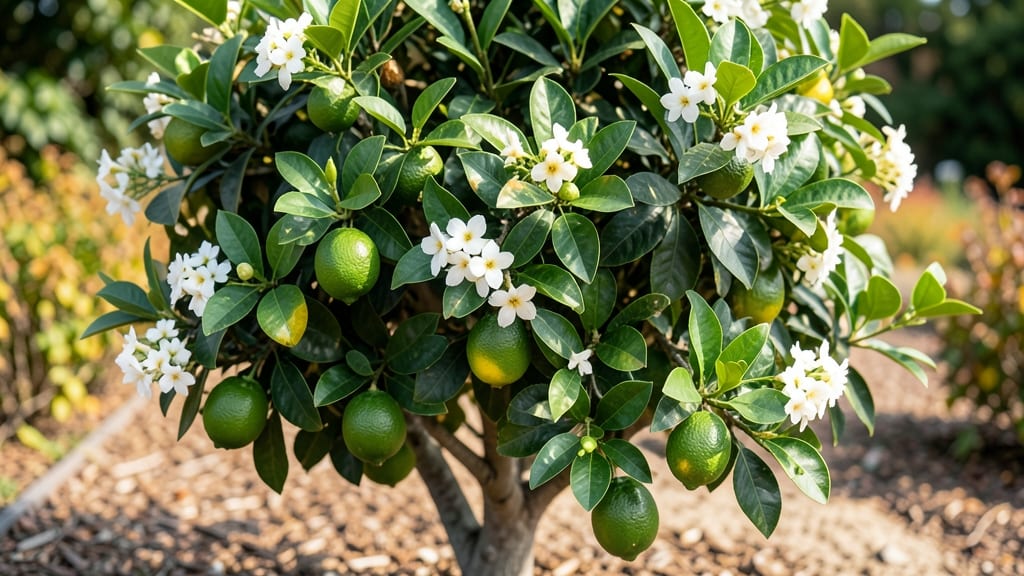
If you’re wondering how tall does a key lime tree grow, you’re not alone—many gardeners assume these tropical trees stay small, only to be surprised when they tower over their landscape.
A mature 🍋 Key Lime Tree in zones 9b-11 typically reaches 10–15 feet, but without pruning, it can easily stretch to 20 feet or more, turning your dream backyard harvest into a space challenge.
The good news? With the right care—like strategic pruning, proper sunlight, and well-draining soil—you can keep your tree at a manageable height while still enjoying a bountiful crop.
Whether you’re growing it in a container or in the ground, understanding its growth habits is the key to avoiding overcrowded gardens or disappointed expectations.
In this guide, I’ll break down everything you need to know about key lime tree height, from dwarf varieties (if they exist) to how pruning shapes its size.
You’ll also discover whether your space can handle a full-sized tree—or if a compact alternative is a better fit for your citrus dreams.
Let’s dive into the facts so you can plan your planting with confidence and avoid the common mistakes that turn lush trees into unruly giants.

Key lime tree height by variety: dwarf vs. standard vs. wild growth explained
Key lime trees (Citrus aurantiifolia) are tropical powerhouses that can reach surprising heights if left unchecked. On average, a mature key lime tree grows 10–15 feet tall, but unpruned specimens can soar to 20+ feet—taller than most backyard fences.
The good news? With the right variety and pruning, you can keep yours compact and manageable, even in small spaces.
The height of your key lime tree depends on three key factors: variety selection, pruning habits, and growing conditions. Unlike some citrus trees, there aren’t true "dwarf" key lime varieties, but certain hybrids and pruning techniques can mimic dwarf growth.
Let’s break down what to expect from standard, semi-dwarf, and wild-growth trees.
🌱
| Variety | Mature Height | Growth Rate (Year 1-3) | Pruning Needs | Best For |
|---|---|---|---|---|
| Standard Key Lime ('Mexican' or 'Florida') | 10–15 ft | 2–4 ft (Year 1), 6–10 ft (Year 3) | Moderate (annual pruning) | Backyards, large containers |
| Semi-Dwarf Hybrids (e.g., 'Limequat' crosses) | 8–12 ft | 1–3 ft (Year 1), 4–8 ft (Year 3) | Light (shape-focused) | Small yards, patios |
| Wild/Unpruned Growth | 15–20+ ft | 3–5 ft (Year 1), 10–15 ft (Year 3) | Heavy (structural support needed) | Large properties, tropical climates |
| Container-Grown (Pruned) | 5–8 ft | 1–2 ft (Year 1), 3–5 ft (Year 3) | Frequent (seasonal) | Balconies, urban gardens |
Standard key lime trees, like the classic 'Mexican' or 'Florida' varieties, typically hit 10–15 feet at maturity. These are the ones you’ll find in commercial groves and larger backyards.
If you’re growing one in your yard, plan for at least 10 feet of vertical space and 8–10 feet of horizontal spread—their branches can get wide too!
For smaller spaces, look for semi-dwarf hybrids, such as those bred with Calamondin or Limequat traits. These stay between 8–12 feet tall and grow more slowly, making them ideal for patios or small urban gardens.
Even these can be pruned to stay under 6 feet if you’re committed to regular maintenance.
If you skip pruning entirely, your key lime tree will grow wild and unruly, often reaching 20 feet or more. This is common in tropical climates where trees are left to their own devices.
Without pruning, the tree focuses all its energy on vertical growth, producing fewer, smaller limes and creating a dense canopy that blocks sunlight from lower branches.
🌿
One common misconception is that key lime trees grow slowly. In reality, they’re fast growers in the right conditions. In their first year, you can expect 2–4 feet of growth, and by year three, an unpruned tree may already be 10 feet tall.
This rapid growth is why so many gardeners are caught off guard—what starts as a small potted sapling can become a towering tree in just a few seasons.
To keep your tree at a manageable height, start pruning in its first or second year. This isn’t just about height control; pruning also improves air circulation, which reduces the risk of fungal diseases like citrus canker.
Plus, a well-pruned tree produces more limes because energy isn’t wasted on excessive vertical growth.
If you’re growing your key lime tree in a container, height becomes even more manageable. With consistent pruning and root-bound conditions, container-grown trees often stay under 6–8 feet tall.
Just remember: containers dry out faster, so you’ll need to water every 1–2 days in summer and use a well-draining citrus mix
Key lime tree height by variety: dwarf vs. standard vs. wild growth explained
Key lime trees (Citrus aurantiifolia) are fast-growing tropical trees that can reach impressive heights if left unchecked. Without pruning, they typically grow between 10 and 20 feet tall, with some wild specimens exceeding 25 feet in ideal conditions.
However, their growth rate and mature size vary significantly depending on the variety, growing conditions, and pruning habits.
Most home gardeners grow the standard key lime tree, which matures at 10–15 feet tall and 8–12 feet wide. These trees thrive in USDA zones 9b–11 and produce abundant fruit when given full sun and well-draining soil.
If you’re short on space, you might consider hybrid varieties or aggressive pruning to keep the tree more manageable.
Unfortunately, there are no true dwarf key lime varieties available commercially, but some citrus hybrids—like limequats or calamondins—can stay under 6 feet tall with proper care. These hybrids often produce smaller fruit but are far more suitable for containers or small patios.
| Variety | Mature Height | Growth Rate | Best For |
|---|---|---|---|
| Standard Key Lime (Citrus aurantiifolia) | 10–20 ft | Fast (3–5 ft/year) | Outdoor gardens, large patios |
| Limequat Hybrid (e.g., 'Mexican Limequat') | 6–10 ft | Moderate (2–3 ft/year) | Containers, small yards |
| Calamondin × Key Lime Cross | 5–8 ft | Slow to moderate | Indoor/outdoor pots, bonsai |
| Wild/Unpruned Key Lime | 20–25+ ft | Very fast (5+ ft/year) | Large estates, tropical climates |
Your key lime tree’s height is also influenced by growing conditions. Trees in full sun (6+ hours daily) grow taller and produce more fruit, while those in partial shade may stay shorter but yield fewer limes.
Additionally, well-draining soil with a slightly acidic pH (6.0–7.0) encourages healthy root development, which supports faster vertical growth.
If you’re growing your key lime tree in a container, expect it to stay 2–3 feet shorter than its in-ground counterpart due to root restriction. However, container-grown trees require larger pots (15+ gallons) and regular pruning to prevent legginess.
Use a high-quality citrus potting mix and repot every 2–3 years to accommodate root growth.
Pruning plays a critical role in managing height. By heading back (cutting new growth) in late winter or early spring, you can encourage a bushier, more compact shape. Avoid heavy pruning during fruiting season, as this can reduce your harvest.
With consistent pruning, even a standard key lime tree can be kept under 8 feet tall while maintaining fruit production.