
Plants
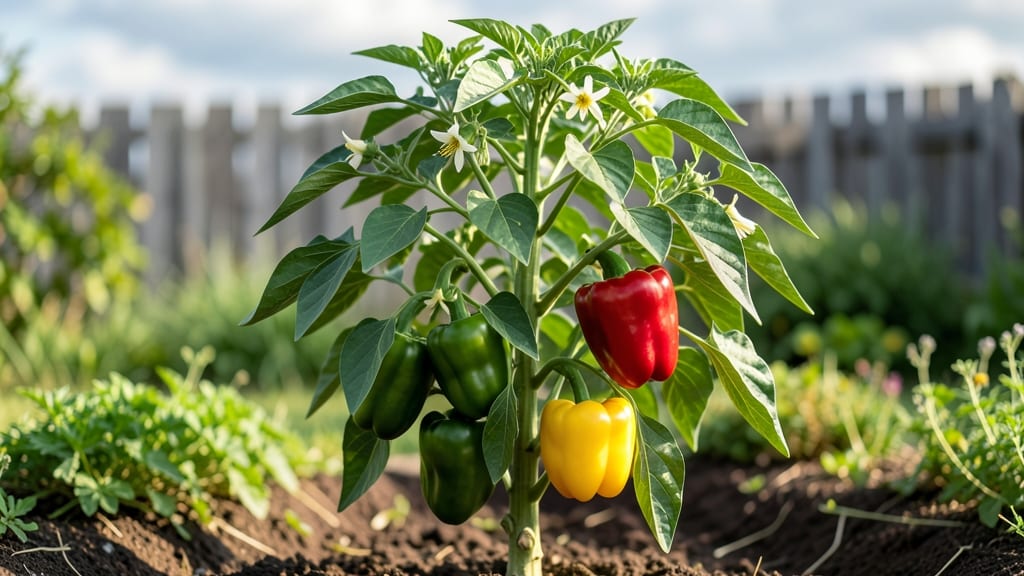
If you’ve ever wondered how tall a pepper plant will grow—whether it’ll stay neat and compact or stretch toward the sky like overgrown weeds—the answer depends entirely on the variety you’re growing. 🌶️ From dwarf Snacktime peppers that top out at just 1-2 feet to towering 4-foot banana peppers, knowing the exact height range is the key to planning your garden layout—and avoiding a jungle of tangled vines.
Most home gardeners grow standard varieties like bell peppers or jalapeños, which typically reach 3-4 feet tall, making them perfect for in-ground beds or sturdy cages. But if you’re working with limited space—like a balcony or container garden—semi-dwarf types (around 2-3 feet) are your best bet.
The good news? Even the tallest peppers can be managed with simple supports, so you won’t have to sacrifice height for harvest success.
What really throws off new growers is how indeterminate varieties (like many heirloom peppers) keep growing until frost, while bush types (such as ‘Tiny Tim’) stay neatly contained.
This difference alone can change how you space your plants—18-24 inches apart for bush types, but 2-3 feet for vining varieties to prevent competition. Let’s break down the exact heights by type so you can pick the perfect fit for your garden.
Whether you’re dreaming of a compact windowsill harvest or a sun-drenched backyard pepper patch, understanding these growth patterns will help you avoid overcrowding, maximize yield, and keep your plants happy—no guesswork required. Ready to find out which varieties will thrive in your space?

Pepper plant height by variety: from dwarf to giant species
Pepper plants come in a surprising range of heights, from compact bush varieties perfect for containers to tall, sprawling vines that need sturdy support.
The average mature height for most pepper plants falls between 2 and 4 feet, but some dwarf varieties stay under 2 feet, while heirloom types can reach 5 feet or more. Understanding these differences helps you plan your garden layout, choose the right containers, and avoid overcrowding.
Most home gardeners grow standard bell peppers or jalapeños, which typically reach 3 to 4 feet tall with a 2-foot-wide spread. These bush-type peppers are ideal for in-ground planting but also thrive in large containers.
Meanwhile, indeterminate varieties like habaneros or banana peppers can grow 5 feet or taller if left unpruned, requiring trellises or cages to manage their height and weight.
Here’s how to visualize the height differences across popular pepper varieties, including dwarf, semi-dwarf, and standard types. This table breaks down mature heights, growth habits, and space needs to help you pick the perfect variety for your space.
| Variety | Type | Mature Height | Spread | Growth Habit | Best For |
|---|---|---|---|---|---|
| Snacktime Bell Pepper | Dwarf | 1–2 ft | 1–1.5 ft | Bush | Containers, small spaces |
| Tiny Tim Jalapeño | Dwarf | 1.5–2 ft | 1–1.5 ft | Bush | Balconies, windowsills |
| Jalapeño M | Semi-Dwarf | 2–3 ft | 1.5–2 ft | Bush | In-ground, large pots |
| Bell Pepper (Standard) | Standard | 3–4 ft | 2–3 ft | Bush/Indeterminate | Garden beds, trellises |
| Habanero (e.g., 'Carolina Reaper') | Indeterminate | 4–5 ft+ | 2–3 ft | Vine | Trellises, tall cages |
| Banana Pepper | Indeterminate | 3–5 ft | 2–4 ft | Vine | Vertical gardens, fences |
If you’re growing peppers in containers, stick to dwarf or semi-dwarf varieties like 'Snacktime' or 'Jalapeño M', which thrive in 5-gallon pots or larger. For in-ground gardens, standard varieties like bell peppers or jalape
How to determine proper spacing for pepper plants by height
Choosing the right spacing for your pepper plants depends entirely on their mature height and growth habit. Overcrowding leads to poor air circulation, increasing disease risk and reducing yields, while too much space wastes garden real estate.
For bush varieties like bell peppers, aim for 18–24 inches apart in all directions. Taller varieties, such as banana peppers or some habaneros, need 24–36 inches to thrive without competing for nutrients.
If you’re growing peppers in containers, size matters just as much. A 5-gallon pot works for dwarf varieties (1–2 feet tall), but standard types (3–4 feet) need at least 7–10 gallons to support their root systems.
Always include drainage holes to prevent waterlogging, which can stunt growth or cause root rot.
| Variety Type | Mature Height | Spacing (In-Ground) | Pot Size Needed |
|---|---|---|---|
| Dwarf (e.g., 'Snacktime') | 1–2 ft | 12–18" | 5-gallon pot |
| Semi-Dwarf (e.g., 'Jalapeño M') | 2–3 ft | 18–24" | 7–10-gallon pot |
| Standard (e.g., 'Bell Pepper') | 3–4 ft | 24–36" | 10–15-gallon pot |
| Indeterminate (e.g., 'Banana Pepper') | 4–5 ft | 36–48" | 15+ gallon pot |
For indeterminate varieties, which keep growing until frost, plan for extra space or use trellises to verticalize growth. These plants can reach 4–5 feet tall and benefit from 36–48 inches of spacing in-ground or a 15-gallon+ container.
Trellising not only saves space but also improves air flow, reducing the risk of fungal diseases like powdery mildew.
When arranging peppers in your garden, consider companion planting to maximize space efficiency. Pair taller varieties like cayenne peppers with shorter basil or lettuce, which thrive in their shade.
Avoid planting peppers near fennel or beans, as these can stunt pepper growth due to allelopathic chemicals or nutrient competition.
If you’re short on space, prune selectively to control height while maintaining yield. Focus on removing suckers (side shoots) that form in the leaf axils—this redirects energy to fruit production rather than vertical growth. For container growers, pruning also helps prevent top-heavy plants from tipping over.
Always adjust spacing based on your local climate. In hot, dry regions, peppers may need slightly more space to access moisture, while cooler climates can support denser plantings due to slower growth rates. Monitor your plants weekly and thin seedlings if they’re growing too close together.
Pro tip: Use a spacing grid or string lines to mark planting spots before transplanting. This ensures even distribution and makes it easier to rotate crops next season. A well-spaced pepper patch not only looks neat but also sets you up for a bountiful harvest with minimal pest issues. 🌱