
How To
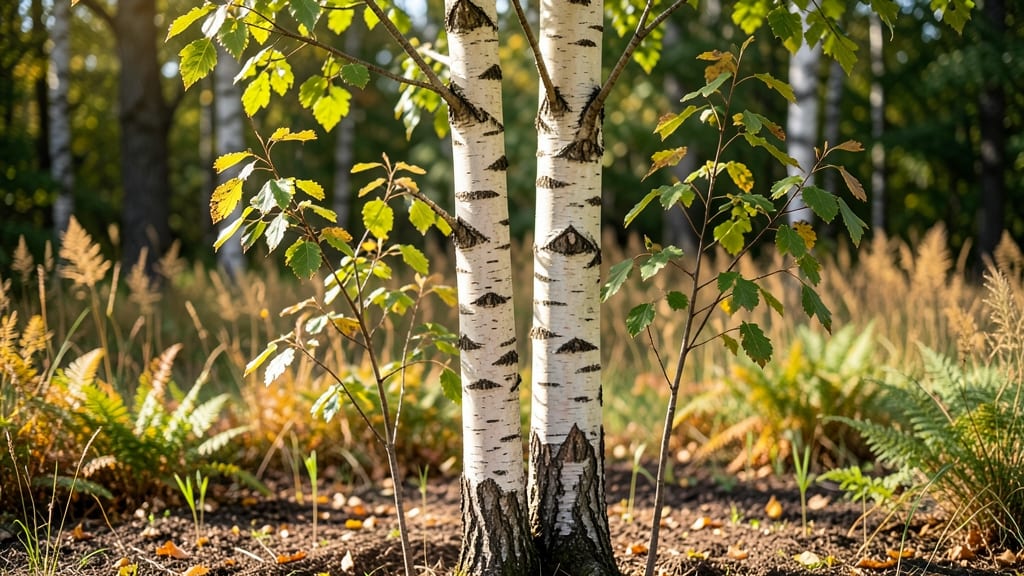
If you're planning to add a River Birch 🌳 to your landscape, knowing how tall this tree can grow is the first step to avoiding common planting mistakes.
This stunning tree can reach anywhere from 30 to 50 feet—taller than most two-story homes—making it a bold statement piece for any yard.
What makes the River Birch so fascinating is how its height varies by variety and growing conditions. Some cultivars grow more compactly, while others stretch skyward, so choosing the right one for your space is key.
Whether you're aiming for a privacy screen or a striking focal point, understanding these differences will help you make the best decision.
Beyond height, this fast-growing tree develops a distinctive multi-trunk structure, which adds to its charm. But its rapid growth means you'll need to plan for adequate spacing from the start.
Let’s break down exactly how tall your River Birch could become—and how to give it the room it needs to thrive.
From spacing guidelines to pruning tips, you’ll discover how to manage its growth while keeping it healthy. Ready to transform your outdoor space with this elegant tree? Let’s dive in.

River birch height by variety: mature size ranges for popular cultivars
The river birch (Betula nigra) is a showstopper in any landscape, but its mature height can vary wildly depending on the cultivar you choose. Most varieties reach 30 to 50 feet tall at maturity, but some stay shorter or grow faster—making them perfect for smaller yards or quick privacy screens.
Let’s break down the height ranges for the most popular river birch cultivars so you can pick the right fit for your space.
First, it’s important to note that river birches are fast-growing trees, often adding 2 to 3 feet per year in ideal conditions. However, their final height depends on genetics, soil quality, sunlight, and pruning habits.
Below, I’ll highlight the most common varieties and their typical mature dimensions, including how their spread and growth rate compare to the standard river birch.
| Variety | Mature Height | Mature Spread | Growth Rate | Key Notes |
|---|---|---|---|---|
| 'Heritage' | 40–50 ft | 30–40 ft | Fast (3–4 ft/year) | Most popular; excellent bark; thrives in wet soils |
| 'White Frost' | 35–45 ft | 25–35 ft | Moderate (2–3 ft/year) | White bark; great for urban landscapes |
| 'Dura Heat' | 30–40 ft | 20–30 ft | Moderate (2 ft/year) | Heat-tolerant; drought-resistant; compact form |
| 'Crimson Frost' | 35–45 ft | 25–35 ft | Fast (3 ft/year) | Dark purple bark; stunning in winter |
| 'Fox Valley' | 25–35 ft | 20–25 ft | Slow to moderate (1–2 ft/year) | Dwarf variety; ideal for small yards |
If you’re working with a smaller garden, the 'Fox Valley' cultivar is your best bet—it tops out at 25 to 35 feet and grows at a slower pace, making it easier to manage.
For privacy screens or statement trees, the 'Heritage' or 'Crimson Frost' varieties will deliver the most dramatic impact with their towering heights and striking bark.
One thing to keep in mind is that river birches often grow as multi-trunk trees, which can make them appear wider than their height. This is especially true for varieties like 'White Frost' and 'Dura Heat', which develop multiple stems over time.
If you’re planting near a fence or sidewalk, leave extra space for their spread (20–40 feet) to avoid future issues.
For gardeners in hotter climates, the 'Dura Heat' cultivar is a game-changer. It’s bred to handle heat and drought better than standard river birches, yet it still reaches a respectable 30 to 40 feet.
This makes it a fantastic choice for USDA Zones 6–9, where other birches might struggle.
Pro tip: If you’re planting a river birch as a single specimen, give it plenty of room to shine. These trees look stunning when they have open space around them to showcase their peeling bark and graceful branches.
Pair it with low-growing perennials or ground covers to highlight its height without overwhelming your yard.
Finally, remember that soil drainage plays a huge role in how tall your river birch grows. While they’re adaptable, they thrive in moist, well-draining soil. If your soil is heavy clay or very dry, consider amending it with compost or organic matter to encourage healthier, faster growth.
Now that you know the height ranges, you’re ready to pick the perfect river birch for your landscape—whether you’re going for a towering giant or a compact beauty. Happy planting! 🌳
How much space does a river birch need? Spacing guidelines by age and variety
The river birch may start small, but its root system and canopy expand rapidly—especially in well-drained, nutrient-rich soil. Proper spacing isn’t just about avoiding root competition; it’s about giving your tree room to thrive without becoming a space hog in your landscape.
For a 5-year-old sapling, plan for at least 15 feet of clearance, but mature trees need 30-50 feet depending on the variety.
If you’re planting near homes, fences, or driveways, consider dwarf or semi-dwarf cultivars like 'Heritage' (25-35 ft) or 'Dura Heat' (30-40 ft). These stay slightly shorter but still deliver that signature peeling bark and golden fall foliage.
Always check local building codes—some areas require setback distances of 20+ feet from structures.
| Tree Age | Minimum Spacing (ft) | Notes |
|---|---|---|
| 1-3 years | 10-15 ft | Young trees need room for root expansion; avoid planting near sidewalks. |
| 4-10 years | 20-25 ft | Critical for multi-trunk varieties; prune lower branches to maintain clearance. |
| Mature (10+ years) | 30-50 ft | Standard varieties; dwarf types need 20-30 ft. |
| Urban Planting | 15-25 ft | Use container planting for small yards; root prune annually. |
For urban gardens or small yards, consider container planting—river birches adapt well to large pots (24"+ diameter) and can be pruned to control height. However, root-bound trees grow slower and may develop shallow root systems, making them less drought-tolerant.
If you’re planting near other trees, maintain a 10-foot buffer to prevent root competition, especially with shallow-rooted plants like azaleas or hydrangeas.
Soil drainage is non-negotiable for river birches—they hate soggy roots. If your yard has clay-heavy soil, amend with compost or sand and plant on a slight mound to improve drainage.
In wet climates, consider a raised bed planting to keep roots aerated. Always water deeply after planting to encourage root growth downward, not outward.
Pro tip: Mulch heavily (3-4 inches of organic mulch) around the base but keep it 6 inches away from the trunk to prevent rot. This mimics the natural forest floor where river birches thrive and helps retain moisture during dry spells.
With the right spacing and care, your river birch will reward you with decades of seasonal interest—from white bark in winter to fiery fall colors.
🌳