
How To
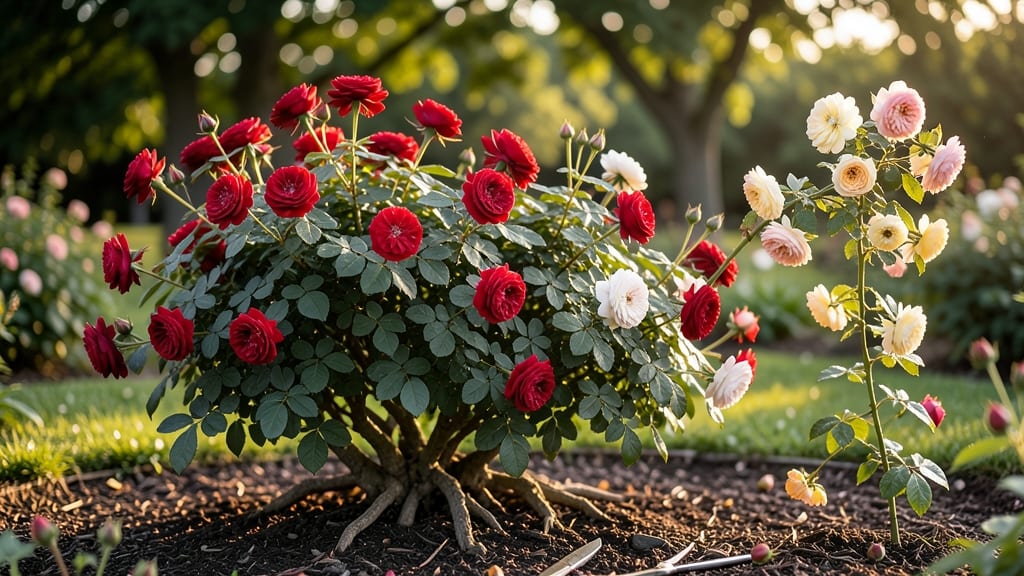
If you’ve ever wondered how tall does a rose grow and whether your garden can handle their dramatic heights, you’re not alone. Roses aren’t one-size-fits-all—they range from dainty shrubs barely taller than your knee to towering climbers that reach the second story of your home.
Knowing these differences is the key to planning your garden layout, pruning strategy, and even choosing the right variety for your space.
For most gardeners in USDA Zone 6a, shrub roses typically mature between 3 to 6 feet, making them perfect for borders or foundation plantings. But if you’re dreaming of a romantic trellis or arbors, climbing roses can soar up to 20 feet or more with the right support.
The secret to managing their height lies in understanding their growth habits and giving them the care they need from the start.
In this guide, I’ll break down the height ranges of common rose types, from compact shrubs to sprawling ramblers, and share expert tips on pruning and maintenance to keep them at your desired height.
Whether you’re dealing with a small balcony garden or a sprawling backyard, you’ll learn how to encourage healthy growth and avoid common mistakes that can stunt or distort their size.
Ready to transform your garden into a stunning rose display without the headaches? Let’s dive into the world of roses and discover how to harness their natural growth patterns for a show-stopping landscape.

Average rose heights by type: shrub vs climbing vs rambling roses explained
Roses aren't one-size-fits-all when it comes to height. Some varieties stay neatly compact while others grow tall enough to climb your trellis or fence.
Understanding these differences helps you choose the right type for your space and pruning needs. Shrub roses typically range from 1 to 6 feet, making them perfect for flower beds and borders. Meanwhile, climbing roses can reach 6 to 30 feet, ideal for vertical gardens or arbors.
If you're dreaming of a dramatic garden display, rambling roses might be your best bet—they can grow up to 50 feet! But don't worry if you have limited space; dwarf varieties stay under 3 feet. Knowing these height ranges helps you plan your garden layout and avoid overcrowding.
🌹 Height varies dramatically by rose type—here’s a quick breakdown to help you visualize growth patterns and plan your garden layout:
| Rose Type | Height Range | Growth Habit | Best For |
|---|---|---|---|
| Shrub Roses | 1-6 ft | Bushy, rounded | Flower beds, borders, containers |
| Climbing Roses | 6-30 ft | Long canes, upward growth | Trellises, fences, arbors |
| Rambling Roses | 15-50 ft | Long, flexible canes | Large structures, pergolas |
| Dwarf Roses | 1-3 ft | Compact, bushy | Small gardens, containers, rock gardens |
For example, if you're growing hybrid tea roses, expect them to reach 3 to 5 feet at maturity. These are popular for cut flowers and add height to garden beds.
On the other hand, Floribunda roses tend to stay between 2 to 4 feet, making them ideal for mixed borders.
If you're planting roses near a fence or trellis, climbing roses like 'New Dawn' can grow up to 12 feet, while 'Blaze' can reach 20 feet.
These varieties need sturdy support to thrive and produce abundant blooms. Rambling roses, like 'Rambling Rector,' can even exceed 50 feet if given the right conditions.
When planning your garden, consider the mature height of each rose variety. A 6-foot rose planted too close to a 3-foot fence will quickly outgrow its space, leading to overcrowding and poor airflow.
Always leave at least 3 feet of space between shrub roses and 5 feet for climbing varieties to ensure they have room to grow and stay healthy.
Another key factor is the growth rate. Some roses grow 1 to 2 feet per year, while others can add 3 to 5 feet annually under ideal conditions.
Fast growers like 'Iceberg' climbing roses can reach their full height in just a few years, while slower varieties may take longer to mature.
If you're unsure about the height of a specific rose, check the plant tag or description when purchasing. Many nurseries list the expected mature height, which helps you make an informed decision.
For example, 'Knock Out' roses are known for their 3 to 4 feet height and disease resistance, making them a great choice for low-maintenance gardens.
🌱 Understanding these height differences ensures your roses thrive and fit perfectly in your garden design.
How to prune roses based on their mature height for optimal growth
Pruning is the secret weapon for controlling rose height while encouraging lush blooms. The right cuts at the right time can transform a wild, overgrown rose into a neat, manageable shrub or a structured climbing wall.
But timing and technique vary dramatically depending on whether you're dealing with a 3-foot shrub rose or a 20-foot climbing variety. Let’s break down how to prune based on mature height for perfect results.
For shrub roses (1-6 feet), your goal is to maintain an open, airy shape that lets sunlight reach the center. These roses bloom on both old and new wood, so you can prune anytime—though late winter (just before buds swell) is ideal.
Cut back one-third of last year’s growth to encourage fresh, vigorous stems. For dwarf varieties (1-3 feet), minimal pruning is needed—just remove dead wood and shape lightly to keep them compact.
🌹 Pruning Guide by Rose Height
| Rose Type | Pruning Time | Cut Back To | Tools Needed |
|---|---|---|---|
| Dwarf Shrub (1-3 ft) | Late winter | Remove dead wood; shape lightly | Bypass pruners, gloves |
| Standard Shrub (3-6 ft) | Late winter | 1/3 of last year’s growth | Loppers, pruning saw |
| Climbing (6-30 ft) | Late winter & summer | Shorten long stems to 3-5 buds | Pole saw, loppers |
| Rambling (15-50 ft) | After flowering | Hard prune to base (renewal) | Heavy-duty loppers |
Climbing roses (6-30 feet) need a two-step approach: a late-winter prune to shape the framework and a summer trim to control height. These roses bloom on new wood, so don’t cut back too aggressively—focus on shortening long stems to 3-5 buds from healthy wood.
For rambling roses (15-50 feet), prune after flowering and hard prune every few years to rejuvenate growth. These giants need strong supports like trellises or fences to handle their weight.
No matter the height, always use sharp, clean tools to avoid tearing stems. Disinfect your pruners with rubbing alcohol between cuts to prevent disease spread. And remember: never prune in fall—this invites fungal infections by leaving wounds open over winter.
For container-grown roses, prune 10-15% less than in-ground varieties, as their roots are more limited.
If your rose is too tall for its space, don’t panic—gradual pruning over 2-3 years will bring it down safely. Start by cutting back the longest stems first, then work on shaping the rest.
For overgrown roses, you can even prune in stages over the growing season to avoid shocking the plant. Patience and consistency are key to achieving the perfect height for your garden vision.
🌿