
How To
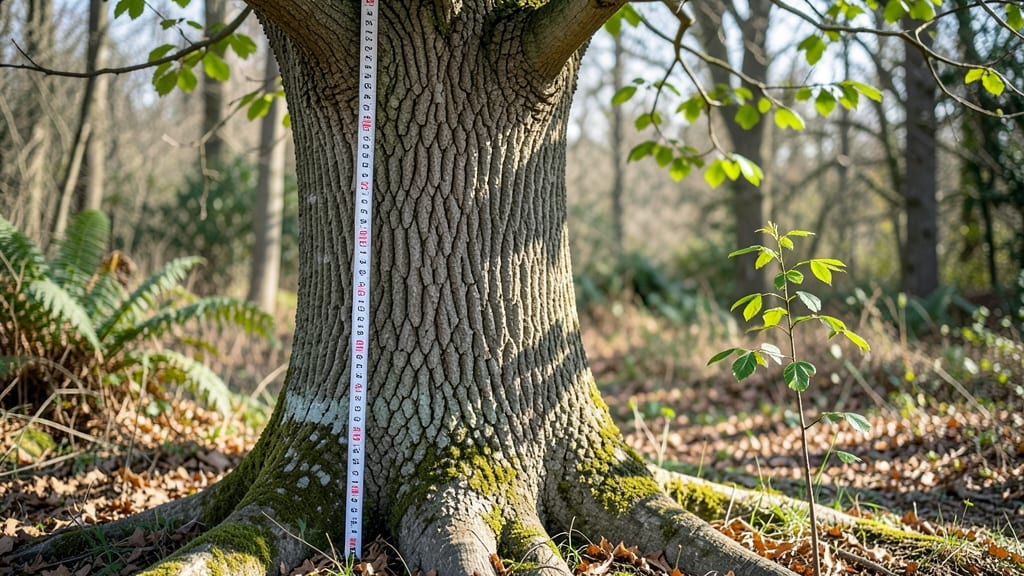
If you're wondering how tall does an ash tree grow, you're in for a surprise—these trees can reach heights that dwarf most homes!
From the towering white ash 🌳 that stretches toward the sky to the more compact black ash varieties, their mature sizes vary dramatically, making them a flexible choice for landscapes of all sizes.
Picture this: a single ash tree could grow between 40 and 80 feet at maturity, depending on the species and growing conditions. That’s taller than a three-story building!
Whether you’re planning a shade canopy or a fast-growing privacy screen, understanding their potential height is key to making the right choice for your space.
But here’s the best part—ash trees don’t just grow tall; they do it fast. In ideal conditions, some varieties can add 2 to 3 feet per year in their early years, turning a sapling into a statement tree in just a few decades.
If you’re looking for a tree that delivers both speed and stature, ash trees are a game-changer for any landscape.
Ready to learn which species stay shorter, how to control their height, and where they thrive best? Let’s break down everything you need to know to pick the perfect ash tree for your yard—without it ending up as a neighborhood giant!

Ash tree height by species: from dwarf varieties to sky-scraping giants
When planning your landscape, knowing ash tree height is crucial—these trees can range from modest backyard additions to towering forest giants. The mature height of an ash tree depends entirely on its species, with some varieties reaching 80 feet while others stay under 30 feet.
Let’s break down the most common ash species and their sky-high potential.
Ash trees are divided into two main groups: native North American species (like White and Black Ash) and European varieties (such as Common Ash). Each has distinct growth habits, making them suitable for different landscapes.
For example, the White Ash is a classic shade tree, while the Green Ash thrives in wetter conditions. Understanding these differences helps you choose the right tree for your space.
Below is a detailed comparison of ash tree heights by species, including their growth rates and ideal growing conditions. This will help you visualize how each variety can transform your property over time.
| Species | Mature Height (ft) | Growth Rate (ft/year) | Best For |
|---|---|---|---|
| White Ash | 60–80 ft | 2–3 ft | Shade, urban landscapes |
| Green Ash | 50–70 ft | 1.5–2.5 ft | Wet soils, parks |
| Black Ash | 40–60 ft | 1–2 ft | Swamps, bogs |
| Blue Ash | 40–50 ft | 1.5–2 ft | Dry soils, prairies |
| Autumn Purple Ash | 20–30 ft | 1–1.5 ft | Small yards, ornamental |
| Patriot Ash | 30–40 ft | 2–3 ft | Urban planting, disease-resistant |
| Common Ash (European) | 50–70 ft | 2–3 ft | European gardens, parks |
The White Ash and Green Ash are the fastest growers, adding 2–3 feet per year in ideal conditions. If you’re short on space, the Autumn Purple Ash is a compact choice, staying under 30 feet while still offering stunning fall foliage.
For urban areas, the Patriot Ash is a disease-resistant hybrid that grows quickly but remains manageable.
Choosing the right ash tree variety depends on your climate, soil type, and available space. For example, Black Ash thrives in wet, acidic soils, while Blue Ash prefers drier conditions. Always check your USDA hardiness zone to ensure the tree will thrive in your region.
If you’re planting near power lines or sidewalks, opt for smaller varieties like Autumn Purple Ash or consider pruning strategies to control height. Regular pruning can reduce the mature height of even the tallest species by 20–30% over time.
For shade lovers, the White Ash is unbeatable—its broad canopy provides dense shade while its height makes it a statement piece in any landscape. Pair it with understory plants like hostas or ferns to create a layered, lush garden.
Before planting, measure your space and research local regulations—some areas restrict tree heights near roads or buildings. A well-placed ash tree can add value to your property, but poor planning can lead to costly pruning or removal down the line.
🌳
How fast do ash trees grow? Annual height increases and early-care tips
Ash trees are known for their rapid growth, but their speed varies dramatically by species. The White Ash typically grows 2–3 feet per year in ideal conditions, while Black Ash grows more slowly at 1–2 feet annually.
Even faster varieties like 'Autumn Purple' can reach 3–4 feet per year during their prime growing seasons.
In their first year, ash trees often grow 2–4 feet tall with proper care. By year three, they can reach 12–18 feet, making them one of the fastest-growing shade trees.
However, growth rates slow as they mature, with most species maxing out at 1–2 feet per year after 10 years.
🌱
To maximize growth, plant your ash tree in well-draining soil with full sun exposure. Mulch around the base to retain moisture and nutrients, and water deeply once a week during the first year. Avoid overwatering, as ash trees are susceptible to root rot in soggy conditions.
Pruning young ash trees can help direct growth and prevent weak branches. Focus on removing dead or crossing branches in late winter or early spring. Avoid heavy pruning in the fall, as this can stress the tree before winter dormancy.
If you're aiming for a taller tree, prune the lower branches to encourage upward growth.
Watch for signs of stunted growth, such as yellowing leaves or slow height increases. These may indicate nutrient deficiencies, poor soil drainage, or pest issues.
A soil test can help identify deficiencies, and applying a balanced fertilizer in early spring can give your ash tree the boost it needs.
🌿