
How To
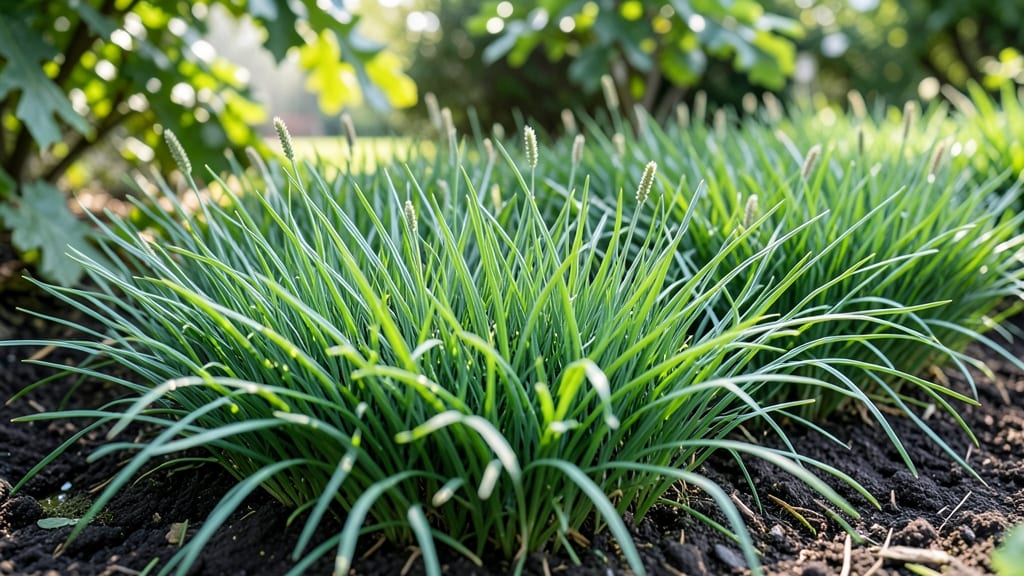
How tall does bluegrass grow depends entirely on the variety you choose—and getting this right is the difference between a lush, low-maintenance lawn and one that feels like a jungle. If you’ve ever stared at your yard wondering why your grass seems to grow wilder than intended, you’re not alone. The good news? With the right bluegrass type, you can keep it at your ideal height while still enjoying that vibrant green look.
Most bluegrass varieties mature between 1 to 1.5 feet, but some dwarf types stay as short as 3 to 4 inches when properly maintained. This flexibility makes it perfect for everything from formal lawns to casual backyards.
The key lies in selecting the right seed blend and understanding how factors like sunlight, water, and mowing habits influence its growth.
Whether you’re planting from scratch or overseeding an existing lawn, spacing and care play a huge role in controlling height. Too much shade or inconsistent watering can send your grass reaching for the sky, while proper maintenance keeps it at a manageable level.
Let’s break down the best varieties for your needs and how to keep them looking their best year-round.
From Kentucky Bluegrass to fine fescue blends, we’ll cover everything you need to know to achieve that perfect lawn height without the guesswork. Ready to transform your yard into a well-managed green space? Let’s dive in.

Bluegrass mature height ranges by popular variety (with growth charts)
If you're dreaming of a neat, green lawn, bluegrass is a top contender—but its mature height can vary wildly depending on the variety. Most types stay between 1 to 1.5 feet tall, but some dwarf varieties creep as low as 3 inches.
The key? Choosing the right type for your climate and maintenance style. Let’s break down the most popular bluegrass varieties and their height expectations.
Kentucky Bluegrass (Poa pratensis) is the classic choice for lawns, thriving in USDA Zones 3-9. It grows 12 to 18 inches tall when left uncut, but most homeowners mow it down to 2 to 3 inches for that polished look.
This variety spreads aggressively via rhizomes, filling in bare spots—but that also means it can outcompete weaker grasses if not managed properly.
Fine Fescue blends, like Creeping Red Fescue, are a favorite for shady lawns and cooler climates. They max out around 8 to 12 inches tall, making them ideal for low-maintenance yards.
These grasses grow in bunches rather than spreading, so they won’t take over like Kentucky Bluegrass. Perfect if you want a softer, slower-growing lawn.
Hybrid varieties, such as Turf-Type Tall Fescue, bridge the gap between height and durability. They typically reach 10 to 15 inches tall but handle heavy foot traffic and drought better than traditional bluegrass. These are great for sports fields or high-use areas where wear and tear are a concern.
Seasonal growth also plays a role. Bluegrass grows fastest in spring and fall, often shooting up 1 to 2 inches per week with ideal conditions. In summer, growth slows due to heat stress, while winter dormancy keeps it short.
Understanding these cycles helps you time mowing and fertilization for the best results.
Here’s a quick comparison of how these varieties stack up in height and care needs:
Pro tip: If you’re planting bluegrass for a manicured lawn, stick to Kentucky Bluegrass or Fine Fescue. For eco-friendly or low-water gardens, consider Tall Fescue blends. And if you’re using bluegrass in containers or borders, dwarf varieties keep things tidy without constant trimming.
One more thing: Mowing height directly impacts how tall your bluegrass grows. Cutting it too short stresses the plant, while leaving it too long invites weeds. Aim for one-third of the blade length at each mow—so if your grass is 4 inches tall, never cut below 2.5 inches.
This keeps it healthy and at your desired height.
Now that you know the height ranges, the next step is spacing your seeds correctly to avoid overcrowding. We’ll cover that in the next section—plus, how to time your overseeding for a thicker, fuller lawn. Stay tuned!
How to space bluegrass seeds for optimal growth (avoid overcrowding)
Proper bluegrass seed spacing is the secret to a lawn that stays thick, green, and healthy without becoming a tangled mess. If you plant seeds too close, they’ll compete for nutrients, sunlight, and water, leading to weak growth.
But space them too far apart, and you’ll end up with patchy, thin grass. The key is balancing density with airflow to prevent disease.
Most bluegrass varieties thrive when planted at a rate of 10-15 seeds per square foot. However, this number can shift based on whether you’re sowing Kentucky bluegrass, a fine fescue blend, or a hybrid mix.
For example, tall fescue (a common bluegrass relative) often needs slightly more space than Kentucky bluegrass to avoid overcrowding.
Before you even reach for your seed bag, prepare the soil by tilling to a depth of 2-3 inches and removing weeds or debris. A soil test can reveal if your lawn needs amendments like compost or lime to create the ideal growing conditions.
Once the soil is ready, use a broadcast spreader for even distribution—never just toss seeds randomly!
| Variety | Seed Density (per sq ft) | Spacing Tip |
|---|---|---|
| Kentucky Bluegrass | 10-12 seeds | Plant in early spring or fall; avoid summer heat. |
| Fine Fescue Blend | td style="padding: 8px; border-bottom: 1px solid #5A7D3A;">12-15 seedsIdeal for shady areas; space slightly wider for airflow. | |
| Tall Fescue | 15-20 seeds | Drought-tolerant; plant thicker for dense coverage. |
After sowing, lightly rake the seeds into the soil to ensure seed-to-soil contact, which is critical for germination. Then, cover them with a thin layer of straw or peat moss (no more than ¼ inch) to protect them from drying out.
Water gently but deeply—1 inch of water daily for the first 2 weeks—to keep the soil consistently moist without creating puddles.
One of the biggest mistakes I see is overseeding too late in the season. If you plant bluegrass in late summer or fall, the seeds may not have enough time to establish before winter sets in.
Aim for early spring (March-April) or early fall (September-October) for the best results. This timing ensures your grass has 4-6 weeks of warm soil to germinate before cooler temperatures slow growth.
Once your bluegrass reaches 3-4 inches tall (usually 6-8 weeks after planting), you can start mowing—but never cut more than ⅓ of the blade height at once. This rule prevents stress and helps the grass grow thicker over time.
With the right spacing and care, your lawn will stay lush and disease-resistant for years to come. 🌱