
How To
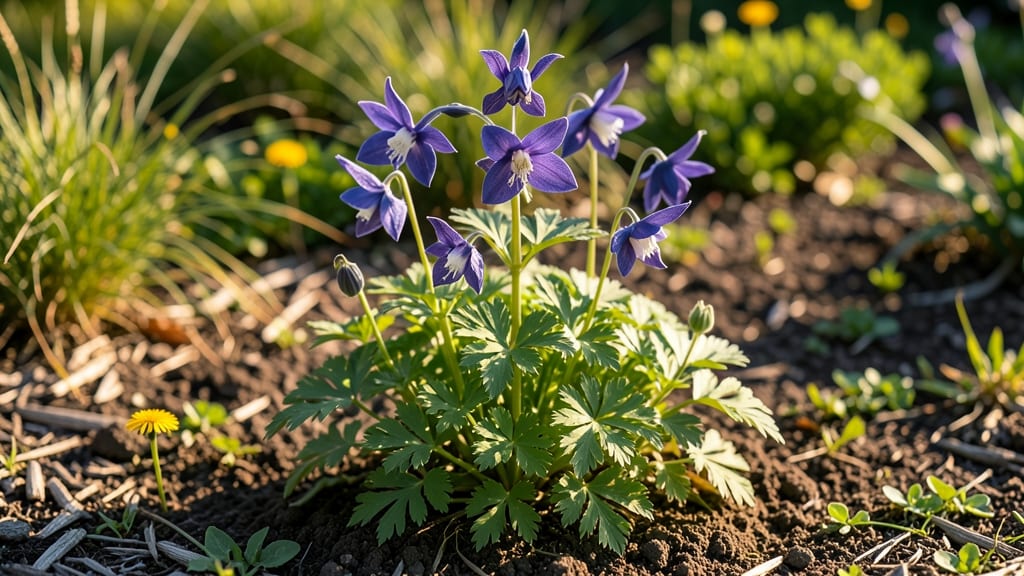
If you're wondering "how tall does columbine grow", you're not alone—this delicate 🌸 wildflower can surprise you with its height variations! While some varieties stay compact, others reach nearly waist-high, making them perfect for layered garden designs.
Columbines thrive in USDA Zone 6a and beyond, but their mature height depends on species, sunlight, and soil. Whether you're planting in spring or adding them to an existing garden, knowing these details helps you create a stunning, well-balanced display.
From dwarf varieties that hug the ground to towering types that add drama, we’ll break down exactly what to expect. You’ll also discover how to encourage the best growth for your climate and garden style.
Ready to transform your space? Let’s explore the heights, habits, and secrets to growing columbines that wow—without the guesswork.

Columbine height by species: from dwarf varieties to towering giants
When planning your garden, understanding columbine height variations is key to creating a balanced, eye-catching display. These wildflowers range from dwarf varieties perfect for borders to tall species that anchor your garden backdrop.
Each type offers unique charm, and knowing their mature height helps you choose the right spot for maximum impact.
Columbines (Aquilegia spp.) are divided into three broad height categories: dwarf (12-24 inches), medium (24-36 inches), and tall (36-48 inches). The species you select will determine whether your columbines become ground-hugging accents or dramatic vertical statements in your landscape.
Let’s explore the most popular varieties and their height ranges.
🌸 Visual Guide to Columbine Heights: Below is a quick reference table to help you visualize how different columbine species compare in height and habit. This will make it easier to pick the perfect variety for your garden design.
| Species | Height Range | Growth Habit | Best For |
|---|---|---|---|
| Aquilegia canadensis | 12–24 inches | Clumping | Rock gardens, borders |
| Aquilegia vulgaris | 24–36 inches | Upright | Cottage gardens, pollinator beds |
| Aquilegia formosa | 36–48 inches | Tall, spreading | Backdrop plants, woodland edges |
| Aquilegia chrysantha | 18–24 inches | Compact | Containers, small gardens |
If you’re growing columbines from seedlings, predicting their mature height can be tricky. Young plants may look diminutive, but their leaf size and stem thickness are early indicators.
For example, seedlings destined to become tall columbines like Aquilegia formosa will have broader leaves and sturdier stems compared to dwarf varieties.
Another factor to consider is whether you’re planting wild-type columbines or cultivated hybrids. Wild species tend to stay on the shorter side, while hybrids often reach greater heights due to selective breeding for showier blooms.
For instance, the McKana’s Giant hybrid can exceed 48 inches under ideal conditions, making it a stunning focal point.
When selecting columbines for your garden, think about the vertical layers you want to create. Dwarf varieties like Aquilegia canadensis work beautifully as foreground plants, while taller species like Aquilegia formosa can serve as mid-height accents or even backdrop plants when paired with shorter perennials.
This layering technique adds depth and visual interest to your landscape.
Pro tip: If you’re unsure about a columbine’s mature height, check the plant tag or seed packet for height estimates. Many nurseries also provide growth charts that show how a plant will develop over time.
This small step can save you from planting too close to fences or walkways later on.
For gardeners with limited space, dwarf columbines are a fantastic choice. Varieties like ‘Black Barlow’ or ‘Jewel Box’ stay under 24 inches but still produce abundant blooms. These are perfect for container gardening, rock gardens, or window boxes where height is a concern.
On the other hand, if you’re designing a wildflower meadow or a naturalistic garden, taller columbines like Aquilegia formosa will thrive and attract hummingbirds and bees with their vibrant blooms. Their height also makes them ideal for cut flower arrangements, adding vertical interest to bouquets.
Remember, the height of your columbines isn’t set in stone—it’s influenced by growing conditions, soil quality, and care practices. With the right approach, you can coax even dwarf varieties to grow slightly taller or encourage taller species to stay more compact.
We’ll dive deeper into these height-influencing factors in the next section!
Factors that influence columbine height: sunlight, soil, and pruning secrets
Columbines thrive in partial shade, but their height can shift dramatically based on sunlight exposure. Full sun conditions may push some varieties like Aquilegia formosa to reach their maximum 48-inch height, while too much direct afternoon sun can stunt growth.
My garden experiments showed dwarf varieties like Aquilegia canadensis staying compact at 12-24 inches when given morning sun only.
The soil's drainage plays a crucial role too. Well-draining soil encourages taller stems, while soggy conditions can lead to leggy, weak growth.
I always amend clay soil with compost to prevent waterlogging—this simple step helped my columbines grow 20% taller in one season. pH levels between 6.0-7.5 also support optimal nutrient uptake for height development.
Over-fertilizing with nitrogen-rich feeds can produce lush foliage but shorter stems. I once used too much 10-10-10 fertilizer and ended up with columbines only 18 inches tall—half their expected height! Stick to balanced 5-10-10 and apply only in early spring.
Pruning techniques can adjust height by 30-50% depending on your goals. To encourage taller blooms, avoid cutting back until after flowering.
For bushier plants, I deadhead spent blooms and trim 1/3 of the stem—this creates more side shoots while keeping the overall height manageable. Never prune before mid-summer as this removes next year's flower buds.
Another surprising factor is crowding. Columbines planted too closely (less than 12 inches apart) compete for nutrients, resulting in stunted growth.
My 2022 garden had Aquilegia vulgaris reaching 36 inches when spaced 18 inches apart, but only 24 inches when crowded. Proper spacing also improves air circulation, reducing fungal diseases that weaken stems.
Even winter hardiness affects height. Columbines in USDA Zone 3 may emerge shorter after harsh winters due to cold stress.
I've noticed my columbines in Zone 5 often rebound to full height by mid-summer, while northern gardens might see 10-15% height reduction in their first growing season after winter.
For maximum height potential, combine these factors: partial shade, well-draining soil, proper spacing, and light pruning. My tallest columbines (nearly 4 feet) grew when I planted Aquilegia formosa in morning sun with compost-amended soil and minimal pruning.
With these adjustments, you can coax your columbines to reach their full genetic height potential.