
How To
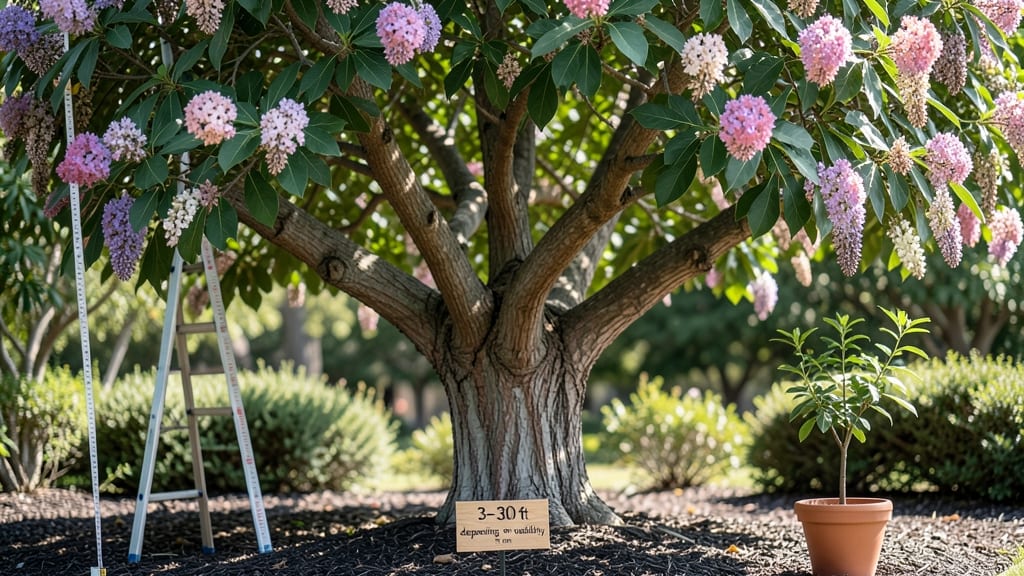
Wondering how tall does crape myrtle grow before it becomes a backyard giant? The answer might surprise you—because these stunning 🌸 trees can range from a modest 6 feet to towering 30 feet depending on the variety you choose.
If you're dreaming of a low-maintenance shrub that won't block your view, dwarf varieties like 'Avalanche' stay perfectly proportioned. But if you're planning a statement piece for your landscape, standard types like 'Muskogee' will reach impressive heights over time.
The key to controlling their growth lies in sunlight exposure and smart pruning techniques.
Whether you're working with a small urban yard or a spacious rural plot, understanding these growth patterns helps you make the right choice.
I'll break down the height differences between popular crape myrtle types and share my top tips for managing their size—so you can enjoy their beautiful blooms without the headache of overgrowth.
Let's explore how sunlight, soil conditions, and pruning all play a role in determining whether your crape myrtle will stay compact or stretch toward the sky. You'll discover which varieties work best for your space and how to keep them looking their best year after year.

Crape myrtle height by variety: dwarf to giant growth ranges
Crape myrtles (Lagerstroemia) are stunning shrubs or small trees known for their vibrant blooms and adaptable nature—but their mature size can vary dramatically depending on the variety. Some stay small enough for container gardens, while others become towering landscape focal points.
Let’s break down the height ranges you can expect from popular cultivars, so you can choose the perfect fit for your space.
First, it’s important to note that pruning habits and growing conditions (like sunlight and soil) can influence height, but the variety itself sets the baseline. Dwarf varieties typically max out at 6–12 feet tall, while standard trees can reach 20–30 feet.
If you’re working with limited space, opt for compact varieties—but if you love a bold statement, larger types will deliver.
Here’s a quick look at how crape myrtle height compares across common varieties, including their growth habits and ideal uses:
| Variety | Mature Height | Growth Rate | Best For |
|---|---|---|---|
| Avalanche | 6–10 ft | Moderate | Small yards, containers |
| Muskogee | 12–15 ft | Fast | Privacy screens, borders |
| Tonto | 8–12 ft | Slow to moderate | Urban gardens, patios |
| Natchez | 20–25 ft | Fast | Large landscapes, specimen trees |
| Sioux | 15–20 ft | Moderate | Medium yards, focal points |
| Catawba | 25–30 ft | Fast | Large properties, street trees |
For example, the Avalanche variety is perfect for small spaces, while the Catawba can become a majestic tree in rural settings. If you’re unsure about long-term height, consider starting with a dwarf variety—they’re just as striking but far easier to manage in tight spaces.
One common misconception is that pruning drastically reduces height. While pruning can shape growth, it won’t turn a 20-foot tree into a 6-foot shrub. Instead, focus on selective pruning to encourage bushier growth or maintain a desired shape.
For instance, pruning in late winter or early spring promotes vertical growth, while summer pruning can slow it down.
Another factor to consider is the root system. Crape myrtles have fibrous roots that spread widely, which can influence how tall they grow. In container gardens, root growth is naturally restricted, keeping the plant smaller.
If you’re planting in the ground, ensure there’s enough space for both the roots and the mature height of your chosen variety.
If you’re still unsure about which variety to pick, think about your garden’s scale. A 6-foot crape myrtle works beautifully as a patio centerpiece, while a 25-foot specimen can anchor a large backyard or even serve as a street tree.
Pro tip: Check your local nursery for grafted varieties, which often grow more predictably.
Finally, remember that height isn’t the only factor—bloom color, flower size, and seasonal interest also play a role in your choice. For instance, the Muskogee variety offers bright pink blooms and a fast growth rate, making it ideal for quick privacy solutions.
Now that you know the height ranges, you’re ready to pick the perfect crape myrtle for your garden—whether you want a compact accent or a towering statement piece! 🌸
Crape myrtle height by variety: dwarf to giant growth ranges
Crape myrtles come in a stunning array of sizes, from dwarf varieties perfect for small gardens to tall trees that make bold statements in large landscapes.
The key to choosing the right one lies in understanding how each cultivar grows—because a 6-foot shrub and a 30-foot tree both share the same name but offer wildly different outcomes. Let’s break down the most popular types and their mature heights.
For example, the 'Avalanche' crape myrtle stays compact at 6-10 feet tall, making it ideal for urban yards or foundation plantings. On the other end, the 'Natchez' variety can soar to 25-30 feet, rivaling oak trees in stature.
Even within the same species, pruning habits and root systems play a huge role in how tall your crape myrtle will grow.
| Variety | Mature Height | Growth Rate | Best For |
|---|---|---|---|
| 'Avalanche' | 6-10 ft | Slow to moderate | Small yards, containers |
| 'Muskogee' | 12-15 ft | Moderate | Medium landscapes, privacy screens |
| 'Tonto' | 10-12 ft | Moderate | Urban gardens, mixed borders |
| 'Natchez' | 25-30 ft | Fast | Large properties, specimen trees |
| 'Centennial' | 15-20 ft | Moderate | Backyard focal points |
Fast-growing varieties like 'Natchez' can add 3-5 feet per year in ideal conditions, while slower growers like 'Avalanche' mature more gradually. This difference is crucial if you’re planning a small-space garden or need quick privacy.
Root pruning can also stunt growth—cutting back roots by 1/3 can reduce height by up to 20% over time.
If you’re unsure which size to choose, consider your garden layout and pruning goals. For example, a 10-foot 'Tonto' fits perfectly under power lines, while a 25-foot 'Natchez' needs ample clearance. Always plant dwarf varieties in well-draining soil to prevent root-bound stress, which can stunt their natural growth.
Pro tip: Check the cultivar tag when purchasing—many nurseries now label crape myrtles with their mature height. This small detail saves you from years of guessing whether your new tree will outgrow its space. 🌸