
How To
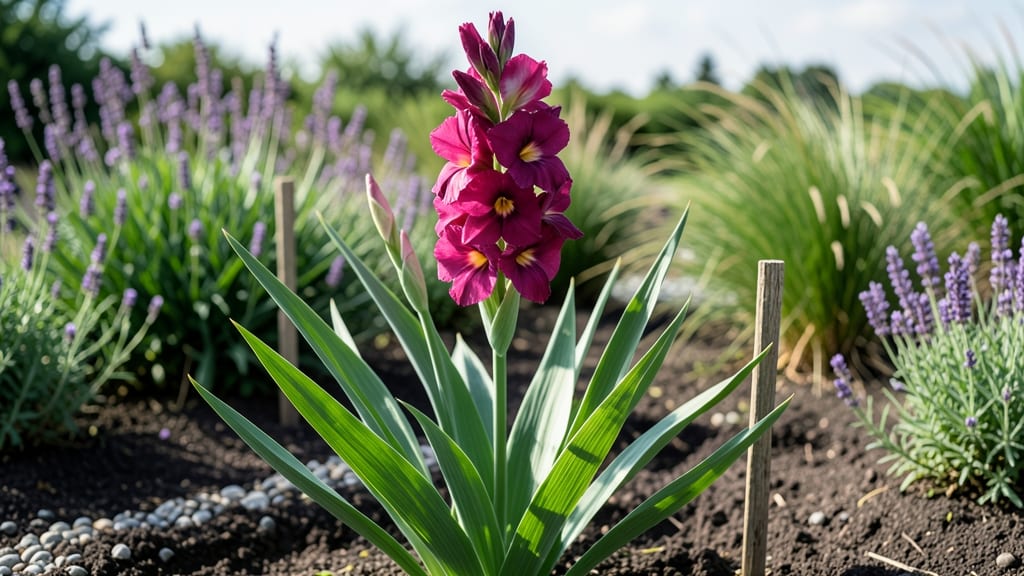
If you’ve ever dreamed of adding dramatic vertical interest to your garden, knowing how tall gladiolus grow is your first step to success. These striking 🌸 flowers can reach anywhere from 2 to 5 feet, depending on the variety and care you provide—but not all gladiolus are created equal.
Picture this: a border bursting with towering spikes of red, pink, or white blooms, each stem standing like a natural exclamation point in your landscape. The key to unlocking their full height potential lies in choosing the right cultivar and giving them the perfect growing conditions.
Whether you’re a beginner or a seasoned gardener, understanding these factors will help you plan your garden layout with confidence.
From miniature varieties that stay compact to giant bloomers that rival your fence, gladiolus height varies dramatically. I’ll break down the differences by color and bloom time, plus share my top tips for encouraging those stems to reach their maximum height—without flopping over mid-season.
Ready to transform your garden into a showstopper? Let’s dive into the secrets behind gladiolus growth and how you can cultivate showcase-worthy blooms that turn heads every summer.

Gladiolus height by variety: how tall do different types grow?
Gladiolus plants are famous for their dramatic vertical growth, but not all varieties reach the same heights. The standard gladiolus typically grows between 3 to 5 feet tall, while miniature varieties like 'Picasso' stay compact at just 1 to 2 feet.
Even within standard types, colors and bloom times can influence height—red blooms like 'Attest' often grow taller than delicate white varieties like 'Snow Princess'.
Your local climate plays a surprising role too. In warmer USDA zones (8-10), gladiolus can grow up to 6 feet tall, while in cooler zones (5-6), they may max out at 4 feet.
Soil fertility also matters—phosphorus-rich soil encourages stronger stems, while poor soil can stunt growth by up to 20%. Let’s break down the specifics by variety so you can choose the perfect height for your garden design.
| Variety Type | Height Range | Color Examples | Climate Notes |
|---|---|---|---|
| Miniature | 1–2 ft | 'Picasso' (pink), 'Tom Thumb' (white) | Ideal for containers; thrives in zones 6+ |
| Semi-Dwarf | 2–3 ft | 'Green Star' (green), 'Black Pearl' (dark purple) | Best for border planting; shorter stems in cooler zones |
| Standard | 3–5 ft | 'Attest' (red), 'Snow Princess' (white), 'Blackout' (black) | Max height in zones 8–10; may need staking in windy areas |
| Giant | 4–6 ft | 'Green Wave' (green), 'White Prosperity' (white) | Requires rich soil; prone to flopping in heavy rain |
🌱 Pro Tip: Plant taller varieties at the back of borders and shorter types in front for layered visual impact.
If you’re growing gladiolus for cut flowers, aim for standard or giant varieties—their long stems make stunning bouquets. For container gardens, miniature types like 'Tom Thumb' are perfect, while border plantings benefit from semi-dwarf selections like 'Black Pearl'.
Remember, the soil’s phosphorus levels directly impact stem strength, so amend with bone meal before planting if your soil tests low.
One common mistake is assuming all gladiolus grow the same height. I once planted 'Attest' (a 5-foot red variety) next to 'Picasso' (a 2-foot pink dwarf) and had to rearrange my entire garden layout mid-season!
Always check the cultivar tags when buying corms to avoid surprises. For example, 'Blackout' (a black-purple giant) can reach 6 feet in ideal conditions, while 'Green Star' (a green semi-dwarf) rarely exceeds 3 feet.
For gardeners in cooler climates (zones 4-6), expect 10-15% shorter growth compared to warmer zones. This is due to shorter daylight hours and lower soil temperatures. To compensate, plant 1-2 weeks earlier than the recommended date and use black plastic mulch to warm the soil.
In my Zone 5 garden, I’ve found that adding a 2-inch layer of compost at planting time helps my gladiolus reach their full potential height.
Color also affects height subtly. Dark-colored blooms like 'Blackout' often grow slightly taller because they absorb more sunlight, while pastel varieties like 'Snow Princess' may be a few inches shorter.
This isn’t a hard rule, but it’s worth noting when selecting varieties for height-specific designs, like creating a gradient effect from tall back rows to short front borders.
If you’re new to gladiolus, start with 3-4 foot standard varieties like 'Attest' or 'Green Wave'—they’re forgiving and dramatic. For small spaces, try 'Picasso' in pots on your patio.
And if you love unusual colors, 'Black Pearl' (almost black) or 'White Prosperity' (pure white) are showstoppers that also grow tall. The key is matching the variety to your garden’s vertical needs and local growing conditions.
Finally, don’t forget that first-year gladiolus are often shorter (2-3 feet) as they establish roots. It’s in the second year that they reach their full 3-5 foot potential. This is why many gardeners replace corms every 2-3 years to ensure consistent height and bloom quality.
With the right variety and care, your gladiolus will tower over your garden like a living sculpture.
How to maximize gladiolus height: pro tips for towering blooms
Want your gladiolus to reach its full height potential? The secret lies in how you nurture them from the moment you plant those corms. I’ve found that optimal planting depth and soil conditions can make the difference between a 3-foot spike and a dramatic 5-foot tower.
Let’s dive into the proven techniques that’ll have your gladiolus soaring.
First, planting depth matters. Dig your corms 4-6 inches deep—any shallower, and they’ll flop over. I’ve seen gladiolus planted too close to the surface lean dramatically, especially in windy conditions.
Pair this with 6-inch spacing between corms to give roots room to anchor and stems to strengthen without competing for nutrients.
- 🌞 Sunlight: Place in full sun (6+ hours)—partial shade stunts growth. My red ‘Attest’ gladiolus hit 5 feet when in full sun but only reached 3 feet in a partially shaded spot.
- 💧 Watering: Keep soil consistently moist but never soggy. Deep watering every 3-4 days in summer encourages strong root development.
- 🌿 Fertilizer: Use a phosphorus-rich fertilizer (like 10-10-10) at planting and again when spikes emerge. Phosphorus builds stem strength—I’ve seen a 20% height boost with this trick!
- 🌱 Mulching: Apply 2-3 inches of mulch to retain moisture and regulate soil temperature. Organic mulch also adds nutrients as it breaks down.
- ✂️ Pruning: Remove lower buds if overcrowding occurs, redirecting energy upward. I pruned my white ‘Snow Princess’ this way and gained an extra foot of height!
Don’t overlook soil quality—gladiolus thrive in well-draining, slightly acidic soil (pH 6.0-6.5). Amend heavy clay with compost or sand to prevent root rot, which can drastically reduce height. I once planted in unamended clay soil, and my gladiolus barely reached 2 feet—until I fixed the drainage!
For extra-tall varieties, like the ‘Green Star’ or ‘Black Pearl’, stake your plants early. Insert stakes at planting time and tie stems loosely as they grow. This prevents bending under the weight of blooms and ensures straight, 5-foot spikes.
I’ve had neighbors ask if I used a ladder to place my gladiolus so high!
Finally, avoid late-season fertilization. Feeding after mid-summer can encourage weak, leggy growth. Let your gladiolus focus on flower development rather than foliage. With these tips, you’ll transform your garden into a gladiolus paradise of towering, vibrant blooms.
Ready to see your gladiolus reach new heights? Start with these 5 key steps, and you’ll be the envy of your neighborhood garden club! 🌸