
How To
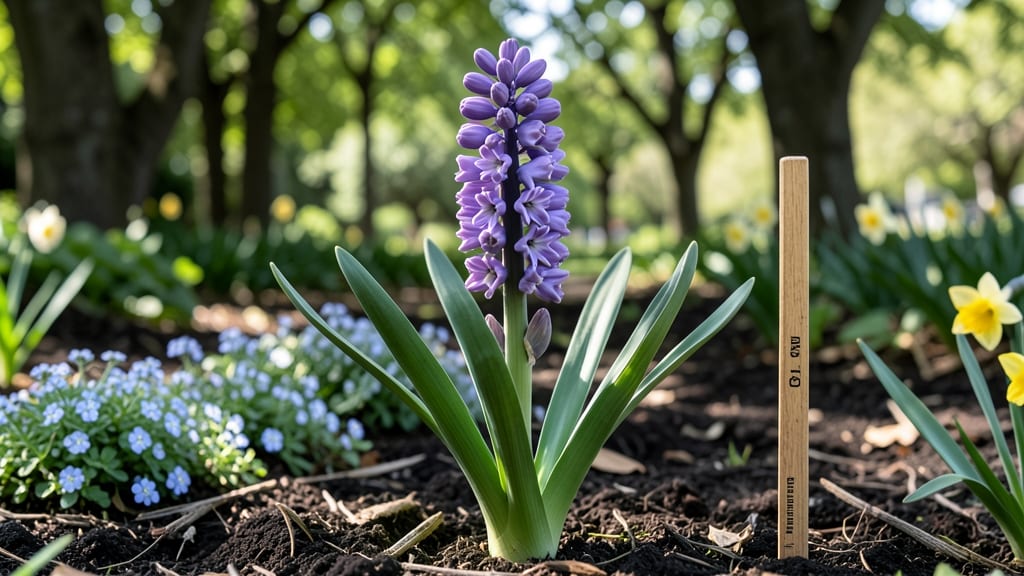
If you're planning your spring garden and wondering how tall does hyacinth grow, you’re in for a pleasant surprise—these fragrant blooms pack a lot of charm into a compact package!
Most varieties reach between 6 and 12 inches, making them perfect for borders, containers, or even as cheerful accents in window boxes.
The beauty of hyacinths is their versatility—whether you're working with miniature varieties that stay under 8 inches or the slightly taller standard types that can stretch toward 12 inches, they fit seamlessly into almost any garden design.
Their height also makes them ideal for forcing indoors, so you can enjoy their sweet scent even before spring officially arrives.
But here’s the thing: their height isn’t just about the variety. Soil quality, sunlight exposure, and even the size of your pot can influence how tall they grow.
For example, planting in well-draining soil and giving them full sun will encourage those flower spikes to reach their full potential, while crowded conditions might keep them on the shorter side.
Ready to learn how to maximize their height—or choose the perfect variety for your space? Let’s break down everything you need to know to get the most out of your hyacinths, from dwarf options for small gardens to bold cultivars that add drama to larger landscapes.

Hyacinth height ranges by variety: miniature to giant sizes explained
Hyacinths are often celebrated for their intense fragrance and vibrant blooms, but their height varies dramatically depending on the variety. Most gardeners assume all hyacinths stay under a foot tall, but some giant varieties can reach nearly 18 inches with proper care.
Understanding these differences helps you plan your garden layout and choose the perfect varieties for your space.
The flower spike height (the tall, vertical stem holding the blooms) is what most people notice first, but the foliage height (the leaves) can be even taller. For example, a 6-inch flower spike might sit atop 12-inch leaves, making the plant appear much larger.
Always measure from the base of the leaves to the top of the flower spike for the full height.
Here’s what you need to know about the three main height categories of hyacinths: dwarf, standard, and giant. Each category includes popular varieties that will help you achieve the exact look you want in your garden.
| Variety | Flower Spike Height | Foliage Height | Best For |
|---|---|---|---|
| Delft Blue | 6-8 inches | 8-10 inches | Containers, window boxes |
| Jan Bos | 8-10 inches | 10-12 inches | Small gardens, borders |
| Giant Pink | 12-18 inches | 14-20 inches | Large borders, cut flowers |
| Woodstock | 10-12 inches | 12-14 inches | Mixed borders, cottage gardens |
| Anna Marie | 14-16 inches | 16-18 inches | Back of borders, tall arrangements |
If you’re growing hyacinths in containers, choose dwarf varieties like 'Delft Blue' to prevent overcrowding. Their compact size makes them ideal for patio pots or window boxes, where space is limited.
Even in containers, these varieties will still reach their full height potential if given enough sunlight and well-draining soil.
The Giant Pink and Anna Marie varieties are perfect for creating a dramatic focal point in your garden. Their towering flower spikes can reach nearly 18 inches, making them stand out against shorter perennials.
Pair them with low-growing bulbs like crocuses or tulips to create a layered effect that draws the eye upward.
One common misconception is that older hyacinth bulbs will grow taller over time. In reality, the height of a hyacinth is determined by the variety and genetics, not the bulb’s age.
However, well-fed bulbs in rich soil will produce healthier foliage and longer flower spikes, so don’t skimp on compost or fertilizer during the growing season.
For urban gardeners with limited space, consider miniature hyacinths like 'Pink Pearl' or 'White Pearl'. These varieties top out at just 6-8 inches and are perfect for balcony gardens or hanging baskets.
Their smaller size doesn’t mean they lack fragrance—these little powerhouses pack a punchy scent that fills small spaces beautifully.
When planning your garden layout, leave at least 4-6 inches of space between hyacinth bulbs to accommodate their mature foliage. Crowding can lead to stunted growth or disease, as poor airflow encourages fungal issues.
If you’re planting in rows, space them 6-8 inches apart for optimal airflow and sunlight penetration.
Pro tip: If you’re using hyacinths in cut flower arrangements, opt for taller varieties like 'Giant Pink' or 'Anna Marie'. Their longer stems will hold up better in vases, and their bold heights create stunning vertical lines in bouquets.
Just be sure to harvest them when the bottom buds begin to open for the longest vase life.
Whether you love tiny hyacinths for containers or tall varieties for dramatic borders, there’s a perfect size for every garden. Experiment with different heights to create visual interest and enjoy the fragrant spectacle these bulbs bring to your spring landscape. 🌷
Hyacinth height ranges by variety: miniature to giant sizes explained
Hyacinths come in a stunning variety of heights, from dwarf varieties that fit in tiny pots to giant cultivars that make bold garden statements.
The flower spike height (where the blooms grow) is often what people notice first, but don’t forget the foliage height, which can add another 4–6 inches to the total plant size. Understanding these differences helps you choose the perfect hyacinth for your space.
Most gardeners assume all hyacinths reach about 12 inches tall, but the truth is far more exciting. Some varieties barely top 6 inches, while others stretch toward 18 inches or more. The key difference lies in their genetic classification: dwarf, standard, or giant.
Let’s break down the exact heights you can expect from popular varieties, so you can plan your garden layout like a pro.
🌷 Hyacinth Height Comparison
| Variety | Flower Spike Height | Total Plant Height (Incl. Foliage) | Best For |
|---|---|---|---|
| 'Delft Blue' | 6–8 inches | 10–12 inches | Containers, window boxes |
| 'Jan Bos' | 8–10 inches | 12–14 inches | Small gardens, borders |
| 'Giant Pink' | 12–15 inches | 16–18 inches | Large borders, focal points |
| 'Woodstock' | 10–12 inches | 14–16 inches | Mixed borders, cottage gardens |
| 'Anna Marie' | 14–16 inches | 18–20 inches | Back of borders, tall arrangements |
*Note: Heights can vary by 1–2 inches based on growing conditions.
The 'Delft Blue' is a fan favorite for small spaces, while 'Giant Pink' and 'Anna Marie' bring drama to larger gardens. If you’re growing hyacinths in containers, dwarf varieties like 'Jan Bos' thrive in 6-inch pots, but their roots need room to spread.
For in-ground planting, even the tallest varieties won’t overwhelm most garden beds—just give them 4–6 inches of space between bulbs to prevent crowding.
One common mistake is assuming the flower spike height equals the total plant height. The foliage (leaves) can add significant bulk, especially in giant varieties. For example, a 'Anna Marie' with a 16-inch spike might reach 20 inches tall when fully leafed out.
Plan your garden layout with this in mind to avoid awkward gaps or overcrowding.
For cut flowers, taller varieties like 'Giant Pink' or 'Anna Marie' provide stunning vase arrangements, while dwarf varieties like 'Delft Blue' work beautifully in small bouquets or as table centerpieces.
If you love the fragrance but limited space, opt for miniature varieties—they pack just as much punch in a tiny footprint.
Pro tip: If you’re unsure which variety to choose, start with 'Woodstock'—it’s a versatile middle-ground option that works in almost any setting.
And remember, soil quality and sunlight exposure can tweak heights by up to 2 inches, so give your hyacinths the best conditions for their full potential to shine.