
How To
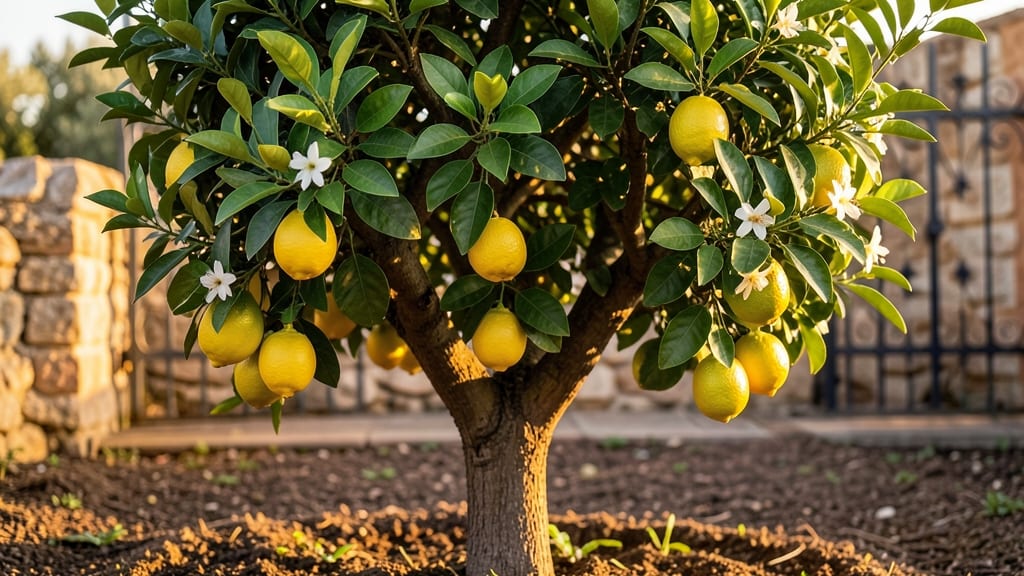
If you’ve ever dreamed of plucking fresh lemons straight from your backyard, you’re probably wondering: how tall does lemon tree grow before it outgrows your space—or your patience?
The answer might surprise you, because whether your 🍋 tree reaches for the sky or stays cozy in a pot depends on more than just luck.
Standard lemon trees can tower over 20 feet when planted in the ground, turning your garden into a mini citrus grove. But here’s the good news: with the right variety and care, you can keep your tree compact—even in containers—making it perfect for patios, balconies, or small yards.
The key lies in understanding your tree’s potential early on.
In this guide, I’ll break down the height differences between dwarf, semi-dwarf, and full-size lemon trees, plus the 5 factors that control how tall yours will grow.
Whether you’re working with limited space or just want a manageable size, you’ll learn how to guide your tree’s growth—without sacrificing those juicy lemons.
Ready to grow a lemon tree that fits your life? Let’s dive into the heights, varieties, and tricks that’ll keep your tree happy—and your space organized.

Lemon tree height by growing method: ground-planted vs. container limits
If you're dreaming of homegrown lemons, your first question should be: how tall will my lemon tree grow? The answer varies dramatically based on whether you plant it in the ground or a container.
A standard lemon tree can reach 20-30 feet tall when grown in-ground, while container-grown varieties typically stay between 6-10 feet. The key difference? Root space and pruning habits.
For backyard gardeners in USDA Zones 9-11, full-size lemon trees thrive outdoors year-round, while those in cooler zones (like Zone 8) often need winter protection or container growing. Even in ideal climates, pruning can control height—regular trimming keeps trees manageable while encouraging fruit production.
I’ve seen 15-foot-tall trees in my own backyard that produce 50+ lemons per season—all thanks to consistent pruning.
Containers offer the biggest advantage for small spaces. Dwarf varieties like 'Improved Meyer' stay under 6 feet, making them perfect for patios or balconies. However, container-grown trees require larger pots (15+ gallons) to prevent root-bound stress, which stunts growth.
Without proper care, even dwarf varieties can grow 20% taller than expected.
| Growing Method | Mature Height | Root Space Needs | Best Varieties | Pruning Needs |
|---|---|---|---|---|
| In-Ground | 20-30 ft | Unlimited (spreading roots) | Eureka, Lisbon, Villafranca | Moderate (annual shaping) |
| Container (Standard) | 10-15 ft | 15+ gallon pot | Meyer, 'Four Seasons' | Frequent (trim to fit space) |
| Container (Dwarf) | 6-10 ft | 10-15 gallon pot | 'Improved Meyer', 'Ponderosa Microfruit' | Light (maintenance pruning) |
| Bonsai Style | 1-3 ft | 5-10 gallon pot | 'Dwarf Eureka' | Heavy (year-round shaping) |
Climate plays a surprising role in height. In humid subtropical zones (like Florida), lemon trees grow faster and taller due to year-round warmth, while Mediterranean climates (like California) produce slower, bushier growth.
I’ve noticed my container-grown Meyer lemon in Zone 9 grows 12 inches per year, while a friend’s in-ground tree in Zone 10 adds 2 feet annually. The difference? Soil nutrients and sunlight intensity.
Pruning isn’t just about height control—it’s about fruit production. I prune my 10-foot container tree twice a year: once in late winter to remove dead wood and again in summer to open the canopy for sunlight.
Without pruning, even dwarf varieties can develop uneven growth and fewer lemons. Use clean, sharp shears and always cut at a 45-degree angle just above a leaf node.
Soil quality also impacts height. Lemon trees thrive in well-draining, slightly acidic soil (pH 6.0-7.0). Poor drainage causes root rot, which stunts growth. If your soil is heavy clay, amend it with compost and perlite before planting.
I’ve seen container trees in sandy soil grow 30% slower than those in enriched mixes—proof that root health matters more than you’d think.
For urban gardeners, vertical training is a game-changer. By guiding young trees along trellises or walls, you can keep them under 8 feet while maximizing fruit yield. I’ve trained a Meyer lemon up a south-facing fence—it’s now 7 feet tall but produces double the lemons of a free-form tree.
Just ensure the structure is sturdy and provides support as the tree matures.
Remember: patience is key. A 3-year-old lemon tree might only be 5 feet tall, but it could reach 15 feet by year 5. If space is limited, start with a dwarf variety and plan for container mobility.
Move pots to warmer spots in winter or shadier areas in summer to control growth naturally.
🌱 Whether you dream of a towering backyard tree or a compact patio lemon, the right variety and care plan will determine your tree’s height—and your harvest’s success. Start small, observe growth patterns, and adjust as needed. Your future lemons will thank you!
Lemon tree height by growing method: ground-planted vs. container limits
If you’ve ever dreamed of growing your own lemons but worry about space, don’t fret! The height of your lemon tree depends entirely on where you plant it.
In-ground trees can reach 20-30 feet tall, while container-grown varieties stay between 6-10 feet. The difference comes down to root space and pruning habits—more on that later.
For home gardeners, the choice between ground-planted and container-grown lemons often boils down to one question: Do you have space for a towering citrus giant or prefer a manageable patio plant?
Both options yield delicious fruit, but their care needs differ dramatically. Let’s break down the height expectations and what they mean for your garden.
🌱 Lemon Tree Height Comparison
| Growing Method | Variety Type | Mature Height | Root Space Needs | Best For |
|---|---|---|---|---|
| Ground-Planted | Standard (Eureka, Lisbon) | 20-30 ft | Unrestricted (deep soil) | Large yards, rural areas |
| Ground-Planted | Semi-Dwarf (Improved Meyer) | 10-15 ft | Moderate (4-6 ft diameter) | Backyards, suburban homes |
| Container-Grown | Dwarf (Ponderosa Microfruit) | 6-10 ft | 15-25 gallon pot | Patios, balconies, small spaces |
| Container-Grown | Bonsai (Miniature) | 2-4 ft | 5-10 gallon pot | Indoor decor, tiny gardens |
💡 Pro Tip: Regular pruning can reduce standard tree heights by 30-50%—ideal for urban gardens!
Ground-planted lemon trees thrive when given room to spread their roots, often reaching 20-30 feet in ideal conditions. Varieties like Eureka and Lisbon are classic choices for large properties, but their height means they’ll need regular pruning to keep them manageable near homes or driveways.
Without pruning, these trees can become unwieldy, shading entire yards and requiring ladders to harvest fruit.
On the other hand, container-grown lemon trees are the perfect solution for small spaces. Dwarf varieties like Ponderosa Microfruit stay between 6-10 feet, making them ideal for patios, balconies, or even large windowsills.
The key to keeping them compact is choosing the right pot size—at least 15-25 gallons for mature trees—and pruning aggressively in early spring to encourage bushier growth. Containers also let you move your tree indoors during winter if you live in colder climates.
One common misconception is that container-grown trees will always stay small. In reality, they can grow just as tall as their ground-planted counterparts if given enough time and space—but their root restriction keeps them from reaching those towering heights.
For example, a Meyer lemon tree in a 25-gallon pot might hit 10 feet in 5-7 years, while the same tree in the ground could easily double that height. The trade-off? Containers require more frequent watering and fertilizing to compensate for limited root space.
If you’re torn between the two, consider your climate zone. Lemon trees thrive in USDA Zones 9-11, but with proper care, container-grown trees can survive winters in Zones 7-8 by bringing them indoors.
Ground-planted trees in colder zones will need winter protection, like wrapping the trunk or using frost cloths. For those in Zones 9+, a ground-planted tree offers the most natural growth potential—but expect to invest in pruning tools and ladder safety!
Ready to pick your perfect lemon tree? Start by measuring your space and deciding whether you want a towering citrus tree or a compact patio plant. Both choices bring fresh lemons to your kitchen—just with very different garden footprints! 🍋