
How To
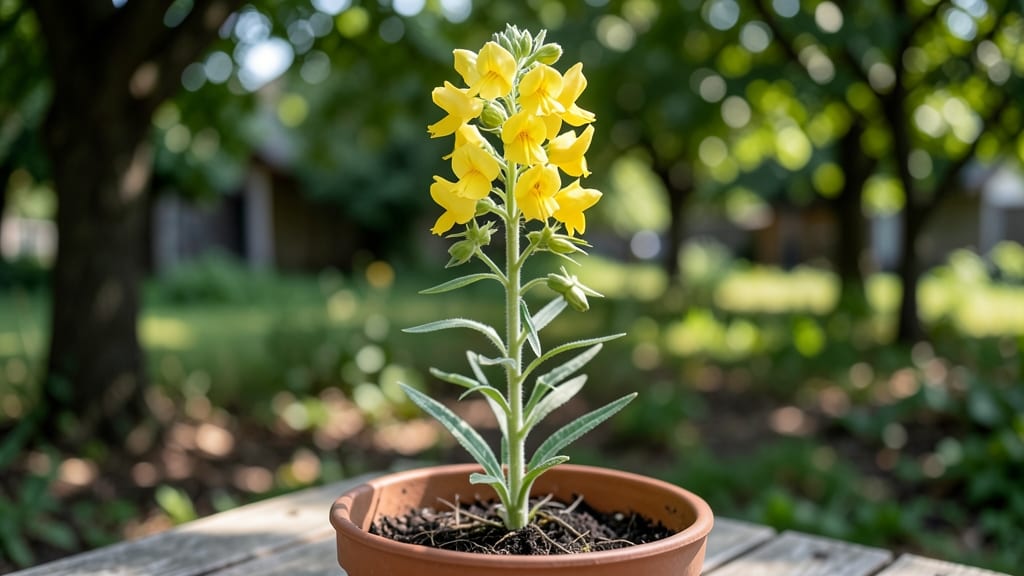
If you're planning your garden layout this spring, knowing how tall does Linaria grow could save you from a border that either flops or sprawls out of control.
This cheerful 🌸 toadflax plant surprises many gardeners with its dramatic height range—some varieties barely brush your knees while others reach shoulder height, all with that same signature snapdragon-like charm.
The key to predicting your Linaria's stature lies in choosing the right variety for your space. Whether you're working with USDA Zone 6a conditions or container gardening, some types stay compact at just 12 inches, while others stretch toward 3 feet when given ideal sunlight and soil.
That's why selecting the perfect match for your garden design matters so much.
What you might not realize is how much growing conditions influence that final height measurement. Rich, well-drained soil and full sun exposure can push your plants toward their maximum potential, while crowded spaces or nutrient-poor soil will keep them on the shorter side.
Let me show you exactly which varieties thrive in which conditions—and how to guide their growth.
From creating a low-maintenance border to training vines up a trellis, understanding Linaria's growth patterns gives you complete control over your garden's vertical design. Ready to discover which varieties will work best for your space?

Linaria plant height guide: dwarf vs standard vs giant varieties
Linaria plants, commonly known as toadflax, offer a stunning range of heights that can transform your garden's vertical appeal. Whether you're designing a container garden or a border landscape, understanding the height variations helps you choose the perfect variety for your space.
The Linaria genus includes species that can stretch from just 6 inches tall to over 4 feet, making them versatile for nearly any gardening scenario.
Native Linaria vulgaris, the common yellow toadflax, typically reaches 2 to 3 feet in height, making it a classic choice for cottage gardens. However, modern hybrids and ornamental varieties have been bred to fit specific needs, from compact patio plants to tall border staples.
The key factors influencing height include genetics, growing conditions, and pruning practices, all of which we'll explore in detail below.
🌱 Visual Height Guide: Imagine a 6-inch Linaria as the height of a standard yogurt cup, while a 4-foot variety would reach the height of an average mailbox post. This range allows gardeners to use Linaria in everything from window boxes to backyard borders, creating layered visual interest in any outdoor space.
One of the most popular dwarf varieties is Linaria 'Nana', which stays between 6 and 12 inches tall, making it perfect for window boxes or rock gardens. These compact plants produce bright yellow flowers that create a cheerful display without overwhelming smaller spaces.
If you're working with limited vertical room, these varieties are ideal for adding color without height.
The 'Canary Bird' series offers a middle-ground option, typically reaching 12 to 18 inches. These varieties are excellent for border plantings or mixed containers, where they can complement taller plants while still being manageable.
Their upright growth habit makes them great for creating structured layers in your garden design.
For those who love a bold statement, the wild-type Linaria vulgaris and its giant hybrids can reach up to 4 feet tall. These varieties thrive in full-sun locations and are perfect for back borders or wildflower meadows.
Their tall, slender stems create vertical interest and attract pollinators like bees and butterflies, making them a functional and decorative choice.
Growing conditions play a critical role in determining how tall your Linaria will grow. Plants grown in poor soil or low light may stay shorter, while those in rich, well-draining soil with full sun exposure will reach their maximum height potential.
Additionally, regular pruning can encourage bushier growth and prevent leggy stems, which is especially useful for taller varieties that might otherwise flop over.
If you're unsure which variety to choose, consider your garden's layout and sunlight conditions. For
Linaria plant height guide: dwarf vs standard vs giant varieties
If you're planning your garden layout, knowing how tall Linaria grows is key to choosing the right spot. These cheerful flowers range from compact 6-inch dwarfs to towering 4-foot giants, with most varieties falling between 12-36 inches.
The species and growing conditions play a huge role in their final height.
Native Linaria vulgaris (common toadflax) typically reaches 2-3 feet tall in wild conditions, while many ornamental hybrids have been bred for specific heights. For example, 'Rocky Giant' can stretch up to 3 feet, while 'Fairy Wings' stays under 12 inches.
Understanding these differences helps you select plants that fit your space perfectly.
| Variety | Height Range | Growth Habit | Best For |
|---|---|---|---|
| Linaria vulgaris | 2-3 ft | Upright, sprawling | Wildflower gardens |
| 'Fairy Wings' | 6-12 in | Compact, bushy | Containers, rock gardens |
| 'Rocky Giant' | 3-4 ft | Tall, sturdy stems | Back of borders |
| 'John Baggot' | 18-24 in | Clumping, medium | Mixed borders |
Sunlight significantly impacts Linaria height. Plants grown in full sun (6+ hours daily) tend to reach their maximum height, while those in partial shade may stay shorter and bushier. For example, 'Fairy Wings' might only reach 8 inches in shade but can hit 12 inches with full sun exposure.
Soil quality also plays a role. Well-draining, slightly alkaline soil encourages taller growth, while heavy clay can stunt plants. Always amend your soil with compost to ensure optimal conditions for your chosen Linaria variety. Regular deadheading promotes continuous blooming and can slightly reduce height by encouraging lateral growth.
For container gardening, choose dwarf varieties like 'Fairy Wings' or 'Little Orchid', which thrive in 6-inch pots. These stay under 12 inches tall, making them perfect for patios and balconies. Larger varieties need deeper containers and may require staking to support their weight.
Remember that first-year growth is typically slower, with plants reaching only half their mature height. By their second year, they'll achieve their full potential height. Plan your garden layout accordingly, especially if you're using Linaria as a focal point.