
How To
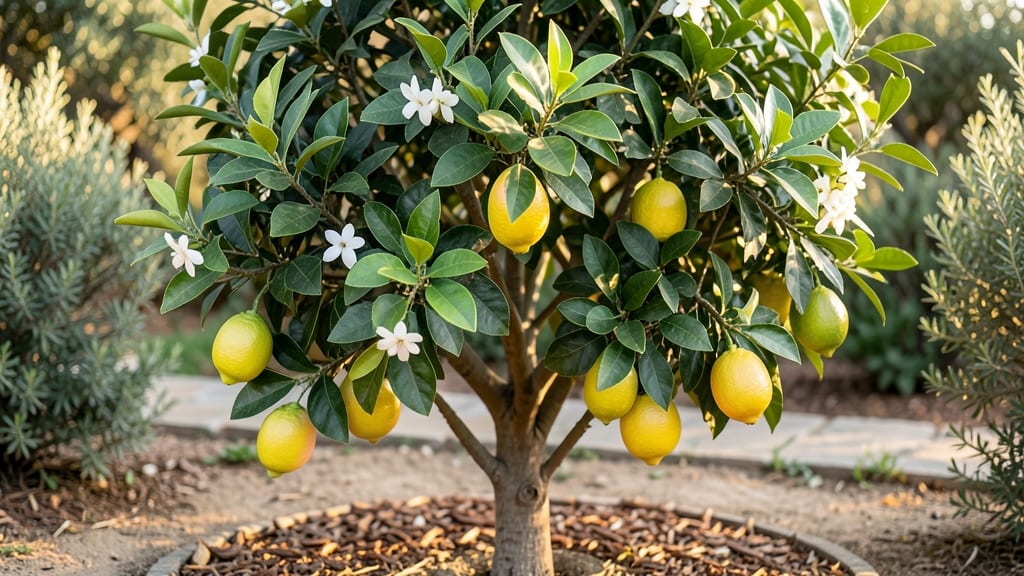
Wondering "how tall does a Meyer lemon tree grow" before you commit to planting one? The answer might surprise you—this citrus superstar can range from a manageable 6 feet indoors to a towering 15 feet outdoors, depending on care and variety.
Whether you're dreaming of a kitchen countertop 🍋 or a backyard centerpiece, understanding its growth habits is key to keeping it happy (and your space manageable).
Here’s the good news: with the right pruning techniques and container choices, you can easily shape your Meyer lemon tree to fit your space—whether that’s a cozy apartment balcony or a sprawling garden.
The secret lies in balancing growth with fruit production, so you don’t have to sacrifice lemons for size. Let’s break down how to control its height while maximizing those sweet, juicy rewards.
First, let’s talk varieties—because not all Meyer lemon trees are created equal. Dwarf versions stay compact, while standard types reach their full height potential if left unchecked.
Then, we’ll dive into the game-changer: pruning, sunlight, and even your watering habits can all influence how tall (or short) your tree becomes. Ready to turn your citrus dreams into a reality without the space worries?
From year-round harvests in warm climates to container-growing hacks for colder zones, I’ll show you exactly how to nurture a Meyer lemon tree that fits your lifestyle—no matter how much (or little) room you’ve got. Let’s get growing!

Meyer lemon tree height by variety: dwarf vs standard vs giant options
Choosing the right Meyer lemon tree variety is the first step to controlling its height. Dwarf varieties stay under 6 feet, while standard types can reach 20 feet if unchecked. Your growing space and pruning goals will determine which type suits you best.
For small spaces, dwarf varieties like 'Improved Meyer' or 'Ponderosa' top out at 4-6 feet. These are perfect for containers or patios, producing sweet lemons without taking over your yard. Semi-dwarf options like 'Meyer Improved' average 8-10 feet and work well for in-ground planting with moderate pruning.
Standard Meyer lemon trees (like the original 'Meyer' variety) can grow 15-20 feet tall if left unpruned. These are best for large yards, where their height adds vertical interest. However, even standard trees can be kept smaller with regular pruning and training techniques.
| Variety | Mature Height (ft) | Best For | Pruning Potential |
|---|---|---|---|
| Dwarf ('Improved Meyer') | 4-6 ft | Containers, patios, small yards | Minimal (natural shape) |
| Semi-Dwarf ('Meyer Improved') | 8-10 ft | In-ground planting, moderate spaces | Moderate (shape control) |
| Standard ('Meyer') | 15-20 ft | Large yards, landscape features | High (size reduction) |
| Grafted Dwarf (e.g., 'Meyer' on 'Flying Dragon' rootstock) | 6-8 ft | Containers, urban gardens | Minimal (rootstock controls size) |
If you're growing your Meyer lemon tree in a container, dwarf or grafted varieties are your best bet. Standard trees can be container-grown too, but they’ll need larger pots (20+ gallons) and frequent pruning to stay manageable.
Remember, container size directly impacts height—smaller pots = slower growth and shorter stature.
For outdoor planting, standard varieties thrive in open spaces but require pruning every 1-2 years to maintain a manageable size. If you love the idea of a tall, ornamental tree, let it grow—just be prepared for regular maintenance.
Even standard trees can be trained into espalier shapes to fit against fences or walls.
One often-overlooked factor is the rootstock. Trees grafted onto dwarfing rootstock (like 'Flying Dragon' or 'Swingle Citrumelo') stay significantly smaller than those on standard rootstock. This is a game-changer for container growers, as it allows you to enjoy lemons without the height commitment.
No matter which variety you choose, light exposure plays a huge role in height. Trees in full sun (6+ hours daily) grow faster and taller, while those in partial shade stay more compact. Balance your space needs with sunlight availability to predict your tree’s ultimate height.
Pro tip: If you’re unsure about your space, start with a dwarf variety in a 15-gallon container. You can always upgrade to a larger pot or in-ground planting later if your tree outgrows its space. This low-risk approach lets you test the waters before committing to a larger tree.
🍋
Best growing conditions to influence Meyer lemon tree height
Your Meyer lemon tree’s height isn’t just about genetics—it’s heavily influenced by its growing conditions. Sunlight exposure, container size, and watering habits can all push your tree toward dwarf status or let it reach its full giant potential.
Let’s break down how to optimize each factor for the height (and harvest) you want.
First, prioritize full sun exposure—at least 6 hours daily. Trees in partial shade grow 30% slower and stay shorter, but they’ll also produce fewer lemons.
If you’re in a shady yard, consider a south-facing window for indoor containers or a reflective surface (like a white wall) to maximize light.
🌱 Container size is the #1 factor for controlling height. A 5-gallon pot keeps trees under 6 feet, while 15+ gallons allows them to reach 10–15 feet. Root-bound trees grow faster but produce less fruit—so upgrade pots every 2–3 years if you want both height and harvests.
💡 Pro Tip for Smaller Spaces
Use dwarfing rootstock (like Swingle citrumelo) to keep trees under 6 feet while maintaining fruit production. Pair this with a 10-gallon container and pruning to train it into a standard-sized shrub.
Watering plays a sneaky role in height too. Deep, infrequent watering encourages slower, sturdier growth, while light, frequent watering can make trees leggy and tall. Aim for 1–2 gallons per watering for containers, letting the top 2 inches of soil dry between sessions.
Overwatering? Your tree will grow fast but weak—prone to root rot and toppling.
Soil drainage is non-negotiable. Meyer lemons hate soggy roots, which stunt growth and invite disease. Amend heavy soil with perlite or sand to ensure water drains within 30 minutes.
If you’re in a hot, dry climate, mulch with straw or wood chips to retain moisture and keep roots cool—this slows vertical growth while boosting fruit quality.
Finally, temperature matters. Trees in USDA Zones 9–11 grow faster and taller year-round, while those in Zones 6–8 may stay dwarfed if moved indoors during winter. If you’re in a cooler zone, extend the growing season with a greenhouse or grow lights to encourage steady (but controlled) height growth.
By tweaking these conditions, you can coax your Meyer lemon tree to stay under 6 feet or let it stretch toward 15 feet—all while keeping it healthy and productive.
Start with sunlight and container size, then fine-tune with water and soil. Your lemons (and your space) will thank you! 🍋