
How To
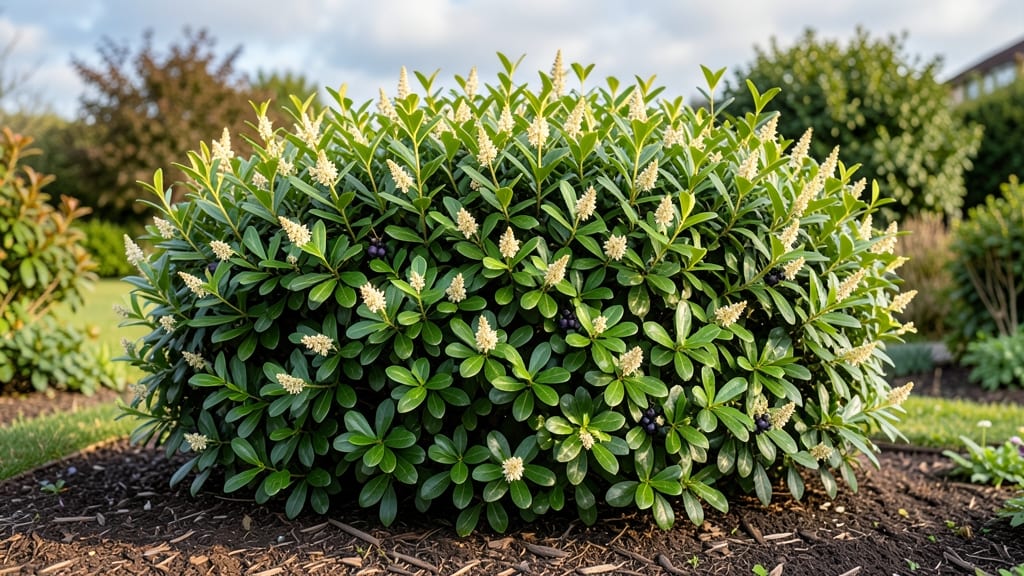
If you're wondering how tall does privet hedge grow, the answer depends entirely on the variety you choose—and trust me, the difference between a 3-foot hedge and a towering 12-foot wall is huge for your garden layout.
Privet hedges are one of the most popular choices for privacy and structure, but their growth habits vary wildly.
Some varieties, like the classic Ligustrum vulgare, can reach up to 15 feet if left unchecked, while others stay neatly contained at just 2-4 feet. The key to controlling height lies in understanding your climate zone—like 6a—and selecting the right type for your space.
Whether you're aiming for a low border or a tall screen, I’ll break down the fastest-growing types and how to keep them in check.
Pruning plays a critical role in managing privet height, especially if you want to maintain a specific shape or size. The good news?
With the right techniques, you can train your privet to stay at your desired height—whether that’s 5 feet for a tidy hedge or 10 feet for a natural windbreak. Let’s dive into the varieties and methods that will help you get it just right.
From dwarf options perfect for small gardens to standard types that thrive in larger landscapes, there’s a privet for every need. By the end of this guide, you’ll know exactly which variety fits your vision—and how to keep it looking its best year after year.
Ready to plan your perfect hedge?

Privet hedge height by variety: fastest-growing types and their mature sizes
Choosing the right privet hedge variety is the first step to controlling its mature height. While some types top out at 3 feet, others can reach 15 feet or more if left unpruned.
The key is selecting a variety that matches your space requirements and growth goals—whether you need a low border or a tall privacy screen.
Most privet hedges fall into three height categories: dwarf (3–5 ft), semi-dwarf (5–8 ft), and standard (8–15 ft). Your choice depends on your property layout, sunlight exposure, and how much maintenance you’re willing to commit to.
For example, Ligustrum vulgare (common privet) grows aggressively to 12–15 feet, while Ligustrum × vicaryi stays compact at 4–6 feet.
Growth rates also vary widely. Some varieties add 2–3 feet per year in ideal conditions, while others grow just 6–12 inches annually. This means a 6-foot hedge planted today could be 12 feet tall in just 4–5 years if you skip pruning. Understanding these differences helps you avoid surprises down the road.
Here’s a quick comparison of the most popular privet hedge varieties and their mature heights:
| Variety | Mature Height | Growth Rate | Best For |
|---|---|---|---|
| Ligustrum vulgare (Common Privet) | 12–15 ft | 2–3 ft/year | Privacy screens, tall hedges |
| Ligustrum × vicaryi (Hybrid Privet) | 4–6 ft | 1–2 ft/year | Low borders, foundation plantings |
| Ligustrum sinense (Chinese Privet) | 8–12 ft | 1.5–2.5 ft/year | Medium-height hedges, windbreaks |
| Ligustrum × vicaryi 'Loddon Gold' (Dwarf) | 3–5 ft | 6–12 in/year | Container gardening, small spaces |
| Ligustrum japonicum (Japanese Privet) | 6–10 ft | 1–2 ft/year | Formal hedges, topiary |
If you’re aiming for a quick-growing hedge, Ligustrum vulgare is the fastest option, but it requires regular pruning to prevent it from becoming unmanageable. For low-maintenance height control, dwarf varieties like 'Loddon Gold' are ideal—they stay under 5 feet without heavy pruning.
Just remember, even dwarf privets can grow taller if given plenty of space and nutrients.
Another factor influencing privet hedge height is your climate zone. In USDA Zones 6–9, privets thrive and reach their maximum potential height. However, in cooler zones (like Zone 5), growth may slow, keeping heights on the shorter side.
Always check your local frost dates and sun exposure when planning—these can affect how quickly your hedge matures.
For example, in full sun (6+ hours/day), a standard privet like Ligustrum sinense can hit 10 feet in 5 years, while the same variety in partial shade might only reach 7–8 feet.
This is why site selection is just as important as variety choice when planning your hedge’s height.
Pro tip: If you’re unsure which variety to pick, start with a semi-dwarf type like Ligustrum × vicaryi. It offers flexibility—you can let it grow naturally for a 4–6 foot hedge or prune it aggressively to keep it under 3 feet.
This gives you room to adjust as your garden evolves.
Finally, always consider your pruning tools and maintenance schedule. Taller privets need long-handled shears or a hedge trimmer, while dwarf varieties can be trimmed with standard hand pruners. Plan ahead to avoid struggling with an overgrown hedge later!
Privet hedge height by variety: fastest-growing types and their mature sizes
Choosing the right privet variety is the first step to controlling your hedge’s height. Some types grow aggressively—like Ligustrum vulgare, which can reach 10–15 feet—while others stay compact.
If you need a quick privacy screen, fast-growing varieties are ideal, but they’ll require more pruning. For low-maintenance borders, dwarf types are the way to go.
Your hedge’s mature height depends on both the variety and your pruning habits. For example, Ligustrum × vicaryi (common privet) typically hits 8–12 feet without intervention, while Ligustrum sinense can grow even taller—up to 15 feet—if left unchecked.
Always check the tag when buying plants, as nurseries often label mature heights.
| Variety | Mature Height | Growth Rate | Best For |
|---|---|---|---|
| Ligustrum vulgare | 10–15 ft | Fast (3–4 ft/year) | Privacy screens, windbreaks |
| Ligustrum × vicaryi | 8–12 ft | Moderate (2–3 ft/year) | Formal hedges, borders |
| Ligustrum sinense | 12–15 ft | Very fast (4+ ft/year) | Quick privacy, tall screens |
| Ligustrum × vicaryi 'Loddon Gold' | 3–5 ft | Slow (1–2 ft/year) | Dwarf hedges, borders |
If you’re planting for immediate privacy, Ligustrum sinense is a top pick—it can add 4 feet per year in ideal conditions. However, this rapid growth means you’ll need to prune twice a year to keep it in check.
For a more manageable hedge, Ligustrum × vicaryi is a balanced choice, offering 8–12 feet of height with slightly slower growth.
Climate also plays a role in height. Privet hedges in USDA zones 6–9 grow taller and faster than those in cooler regions. If you’re in a cooler zone (6a–7a), expect 10–20% slower growth compared to warmer climates. Always factor this into your planting plan to avoid surprises.
Pro tip: If you’re unsure which variety to pick, start with Ligustrum × vicaryi—it’s the most versatile for hedge height control and thrives in most gardens. For a low-maintenance dwarf hedge, ‘Loddon Gold’ is a game-changer, staying under 5 feet with minimal pruning.
Once you’ve chosen your variety, the next step is pruning. Regular trimming keeps your hedge at your desired height and encourages dense, bushy growth. But timing matters—prune at the wrong time, and you might stunt growth or invite pests.
Stay tuned for our next section on pruning schedules to keep your privet hedge perfect year-round.