
How To
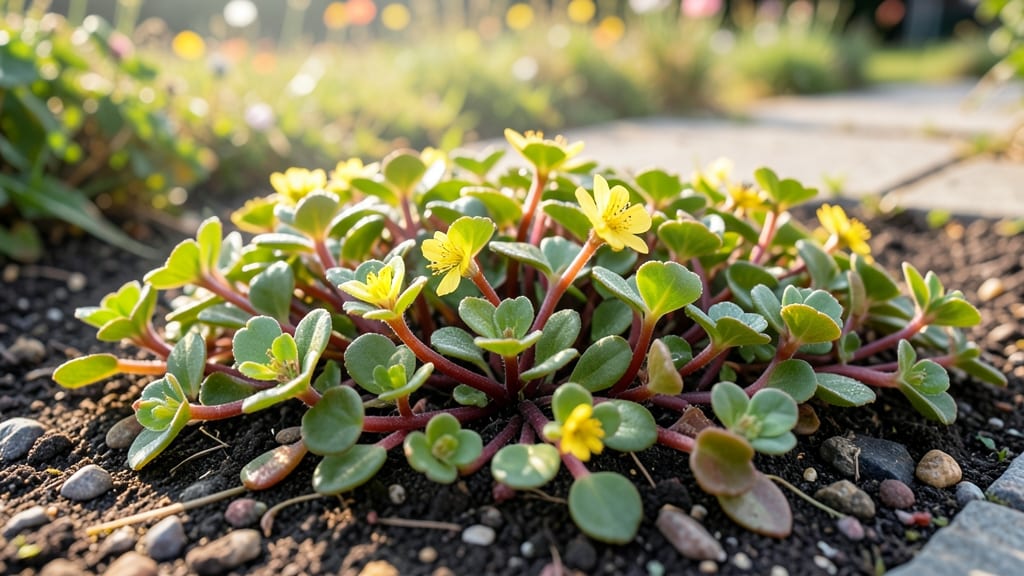
If you’ve ever wondered how tall does purslane grow and why it seems to take over your garden like a tiny, leafy weed, you’re not alone.
This fast-growing 🌱 plant thrives on spreading horizontally rather than shooting upward, often reaching just 4 to 12 inches tall—but its sprawling habit can make it feel much bigger. The secret lies in its natural growth patterns, which adapt to sunlight, soil, and even your pruning habits.
For most home gardeners in Zone 6a, purslane stays compact and low to the ground, making it perfect for borders, containers, or even as a living mulch. But if you’ve noticed it creeping beyond your intended space, don’t worry—there are simple ways to manage its wild side.
Whether you’re growing it for its tangy leaves or just trying to keep it in check, understanding its growth habits is the first step to a tidier (and tastier) harvest.
What makes purslane unique is its ability to grow both as an annual and a short-lived perennial in warmer climates, meaning it can bounce back year after year if conditions are right.
Plant it in spring (April–May), and you’ll see it spread quickly, but with the right techniques, you can encourage a more controlled, compact growth. Ready to learn how to harness its sprawling nature without losing your sanity—or your garden space?
In this guide, I’ll break down everything you need to know about purslane’s height, from its natural spread to practical tips for keeping it where you want it.
Whether you’re a beginner or a seasoned gardener, these insights will help you grow purslane that’s both productive and manageable—so you can enjoy its benefits without the chaos.

Purslane growth height: natural spread vs. controlled cultivation
Purslane (Portulaca oleracea) is a fast-growing, succulent plant that thrives in warm climates, but its height can vary dramatically based on growing conditions.
In the wild, it often sprawls 6 to 12 inches tall with stems spreading up to 2 feet wide, creating a dense mat of vibrant green leaves. This sprawling habit is why many gardeners describe it as more of a ground cover than a traditional upright vegetable.
The key to controlling purslane’s height lies in understanding its growth triggers. When planted in full sun and well-draining soil, it naturally adopts a prostrate (sprawling) growth pattern.
However, in cooler climates or shaded areas, it may stay shorter—sometimes as low as 4 inches tall—but with less vigor. This adaptability makes it both a low-maintenance ground cover and a challenging weed if left unchecked.
| Factor | Typical Height | Spread | Growth Habit |
|---|---|---|---|
| Wild Conditions | 6–12 inches | 1–2 feet | Sprawling |
| Controlled Garden | 4–8 inches | 6–12 inches | Compact |
| Container Grown | 3–6 inches | Up to 1 foot | Bushy |
| Shady Conditions | 2–5 inches | Limited | Leggy |
Sunlight is the biggest factor in determining purslane’s height. In full sun (6+ hours daily), it grows aggressively, reaching its maximum height of 12 inches and spreading rapidly.
However, if you’re growing it in partial shade (3–4 hours of sun), expect it to stay shorter—often 4–6 inches tall—but with fewer leaves and slower growth. This is why many gardeners use it as a border plant in sunny areas or a potted herb in containers.
Soil type also plays a role. Purslane thrives in sandy or gravelly soil, which encourages its natural sprawling habit. In rich, fertile soil, it may grow taller but produce fewer edible leaves.
To keep it compact and leafy, mix in compost or aged manure to improve soil fertility without encouraging excessive height. I’ve found that well-amended soil produces plump, tender leaves at a manageable height of 6–8 inches.
Climate matters too. Purslane is an annual in most U.S. zones (3–11), meaning it completes its life cycle in one season. In hot, dry climates (zones 9–11), it grows wildly, often reaching 12 inches tall and spreading aggressively.
In cooler zones (3–7), it may only grow to 4–6 inches before bolting or dying back with frost. If you’re in a short growing season, start seeds indoors 4–6 weeks before last frost to maximize its height and harvest window.
One common misconception is that purslane’s height is solely genetic. While Portulaca oleracea (the edible variety) naturally stays low, Portulaca grandiflora (ornamental purslane) can grow up to 18 inches tall with vibrant flowers.
If you’re growing purslane for culinary use, focus on keeping it under 8 inches for easier harvesting. I’ve used container gardening to limit its spread—planting it in 5–7 inch pots keeps it 3–6 inches tall while still yielding plenty of leaves.
Pruning is another tool to control height. By pinching back the tips of stems when they reach 6 inches tall, you encourage bushier, shorter growth. This method works especially well for container-grown purslane.
I’ve also seen gardeners use low trellises or wire cages to train stems upward, reducing the plant’s overall spread. Just avoid heavy pruning—purslane recovers quickly, but over-pruning can stress the plant and reduce leaf production.
For those growing purslane as a living mulch or ground cover, its natural height and spread are actually an advantage. It suppresses weeds and retains moisture in the soil, making it ideal for walkways or between rows of taller plants.
However, if you’re growing it in a vegetable garden, contain it with edging or containers to prevent it from overtaking other crops.
I’ve had success using wide, shallow containers (like window boxes) to grow purslane alongside herbs or lettuce, keeping its height under control while adding a pop of color.
Finally, remember that purslane’s height isn’t just about aesthetics—it’s tied to <
Purslane growth height: natural spread vs. controlled cultivation
Purslane (Portulaca oleracea) typically grows between 4 to 12 inches tall, but its sprawling, prostrate habit can make it seem much larger. Unlike upright plants, purslane spreads horizontally, creating a dense mat of succulent leaves and stems that can cover 1 to 2 feet in diameter.
This sprawling growth is why many gardeners describe it as "low but wide."
The natural height of purslane depends heavily on growing conditions. In full sun and well-draining soil, it stays compact (4–8 inches), while shady or crowded conditions can stretch stems to 12 inches or more.
Even then, its ground-hugging nature means it rarely towers over garden beds—it’s all about the spread!
Here’s how environmental factors influence purslane’s growth:
| Factor | Effect on Height | Ideal Range |
|---|---|---|
| Sunlight | More sun = shorter, bushier growth (4–8 in). Less sun = taller, leggier (8–12 in). | 6+ hours daily |
| Soil Type | Well-draining soil = compact growth. Heavy clay = sprawling, weaker stems. | Sandy loam (pH 6.0–7.0) |
| Watering | Consistent moisture = plump, shorter plants. Drought stress = taller, woody stems. | 1/2 cup every 2–3 days |
| Climate | Hot, dry climates = dwarf, heat-tolerant (4–6 in). Cool seasons = slower growth. | USDA Zones 2–11 |
| Pruning | Regular trimming = denser, shorter (4–6 in). Neglected = wild sprawl (12+ in spread). | Every 2–3 weeks |
🌱 Pro Tip: Mulch with straw to retain moisture and limit vertical growth.
Purslane is an annual in most climates, meaning it completes its life cycle in one growing season (typically 60–90 days). In mild winters (Zones 8–11), it may persist as a short-lived perennial, but it rarely exceeds 8 inches in height even then.
Its succulent stems store water, allowing it to thrive in drought-prone areas—but this also means it won’t stretch tall for sunlight like other plants.
If you’re growing purslane in containers, expect it to stay even shorter (3–6 inches) due to root restriction. The key to managing its spread is regular harvesting—pinching back tips encourages bushier growth and prevents it from becoming a ground-cover monster.
For edible purslane, this compact habit is a bonus, as it makes leaves easier to reach!
In wild or neglected gardens, purslane can form dense mats up to 2 feet wide, but its height rarely exceeds 12 inches. This makes it perfect for edging, hanging baskets, or ground cover—just be prepared for its aggressive spreading if left unchecked.
With the right care, you can enjoy its tender leaves and bright blooms without sacrificing garden space.
For gardeners with limited space, container growth is ideal. Use 5-gallon pots to keep purslane’s spread under control while maximizing leaf production. Just ensure pots have drainage holes—purslane hates soggy roots and will bolt or rot if overwatered.