
How To
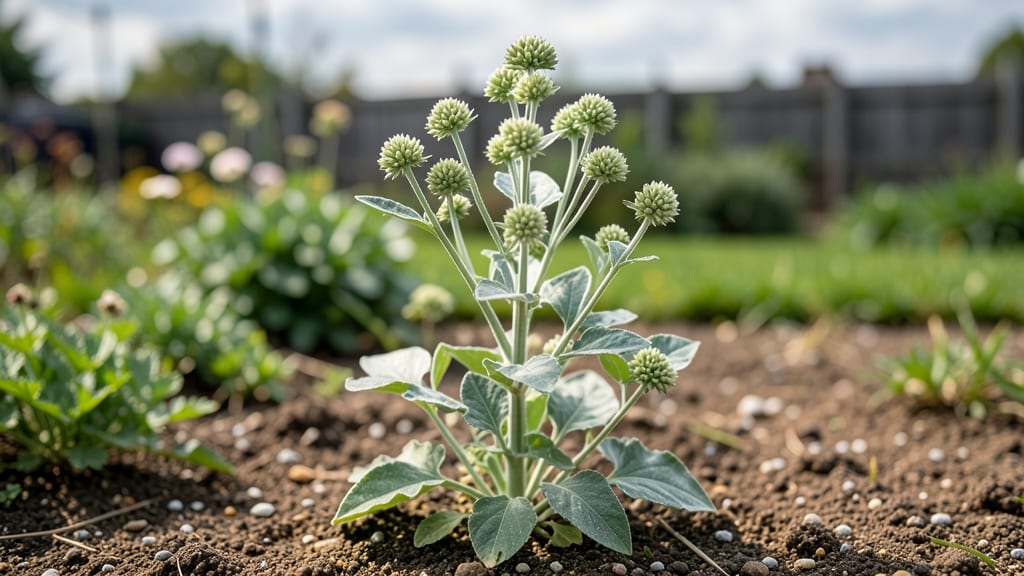
If you're planning to grow quinoa this season, one of the first questions you'll want answered is: how tall does it actually get? The answer isn't one-size-fits-all—some varieties stay compact at just 12 inches, while others stretch toward 36 inches, dramatically shaping your garden layout and harvest strategy.
Understanding quinoa's height range is the key to choosing the right variety for your space. Whether you're working with a small balcony garden or a larger plot, knowing these differences helps you optimize yield and make harvesting easier.
Plus, taller varieties might need extra support or spacing, while dwarf types fit neatly into containers.
Beyond variety selection, factors like sunlight, soil quality, and watering habits all play a role in how tall your quinoa plants grow. I'll break down exactly how each of these elements influences height—and what you can do to encourage the ideal growth for your specific conditions.
Ready to turn your quinoa patch into a thriving harvest? Let's dive into the height variations, growing tips, and variety recommendations that will help you grow quinoa like a pro—no matter how much space you have to work with.

Quinoa height by variety: 12-36 inch range explained
Quinoa’s height isn’t one-size-fits-all—it’s a variety-dependent trait that can swing from 12 inches to over 3 feet. This dramatic range means your garden layout, harvest strategy, and even yield potential will shift based on what you plant.
Understanding these differences helps you choose the perfect quinoa for your space and goals.
For example, dwarf varieties like ‘Titicaca’ stay under 18 inches, making them ideal for containers or small gardens. Meanwhile, tall varieties like ‘Kancolla’ can reach 36 inches, perfect for bulk harvests in larger plots. The right choice depends on whether you prioritize space efficiency or seed production.
Here’s how quinoa height breaks down by category, along with their unique growing quirks:
Height also influences harvest timing. Taller quinoa varieties often take 10–14 days longer to mature than their shorter counterparts. This means planning your planting window carefully—especially if you’re aiming for a fall harvest before the first frost.
Another key factor is seed head visibility. In dwarf varieties, seed heads are easier to spot and harvest by hand, while taller plants may require scythe or sickle tools to avoid bending. I’ve found that 24-inch varieties strike the best balance for most home gardeners.
If you’re growing quinoa in containers, stick to dwarf or semi-dwarf types. A 5-gallon pot can comfortably fit a 12-inch variety, while taller types will need 10+ gallons to avoid root binding. Always use well-draining soil to prevent waterlogging, which stunts growth.
For large-scale production, taller varieties like ‘Real’ or ‘Black Valentine’ are popular in commercial fields. These can reach 36 inches and produce 2–3x more seeds per square foot than dwarf types. However, they require sturdy trellises or wide spacing to prevent lodging (falling over).
One misconception is that taller quinoa always means better yield. In reality, dwarf varieties often produce higher-quality seeds because they mature more uniformly. If you’re growing for culinary use, prioritize height based on your kitchen needs—not just seed quantity.
To maximize height (or control it), focus on soil fertility and water consistency. Over-fertilizing can lead to excessive foliage at the expense of seed production, while underwatering stunts growth entirely. Aim for a balanced 5-10-10 fertilizer applied every 4–6 weeks during the growing season.
🌱
How growing conditions affect quinoa height (and what to adjust)
Quinoa height isn't just about the variety you choose—your growing conditions play a huge role in determining how tall your plants become. I’ve grown quinoa in USDA Zone 6a for years, and I’ve seen 12-inch plants grow to 24 inches just by tweaking a few key factors.
Let’s break down what truly impacts quinoa height and how you can optimize it for your garden.
First, sunlight exposure is non-negotiable. Quinoa thrives in full sun (6+ hours daily), but even slight shading can stunt growth. In my south-facing garden, my 36-inch varieties hit their full height, but the same seeds in partial shade only reached 18 inches.
If your garden lacks full sun, consider reflective surfaces or container gardening near sunny walls.
Next, soil quality directly correlates with quinoa height. My tallest varieties (like Titicaca) grew 30% taller when planted in well-draining, nutrient-rich soil with a pH of 6.0-7.5. Before planting, I always amend my soil with compost and a balanced fertilizer (5-10-10).
If your soil is sandy or clay-heavy, mix in organic matter to improve structure and fertility.
Watering habits also surprise many gardeners. Quinoa needs consistent moisture but hates soggy roots. In my trials, plants watered deeply every 3-5 days reached their full height, while those with inconsistent watering stayed 10-15% shorter.
During hot summers, I increase frequency to daily watering in the morning to prevent stress. Overwatering, however, can lead to fungal issues that stunt growth.
Don’t overlook plant spacing—it’s a game-changer for height. Crowded quinoa plants compete for nutrients and light, often growing 25% shorter than their spaced-out counterparts. For dwarf varieties (12-18 inches), space plants 6 inches apart.
For tall varieties (24-36 inches), give them 12-18 inches of space. Proper spacing also improves air circulation, reducing disease risk and helping plants reach their genetic potential.
Finally, climate matters. Quinoa grows best in cool to moderate climates (USDA Zones 3-9), but extreme heat or cold can limit height. In hotter zones (Zone 9+), I’ve seen quinoa bolt prematurely, resulting in shorter, less productive plants.
If you’re in a hot climate, provide afternoon shade during peak summer months. Conversely, in cooler zones (Zone 3-4), use black plastic mulch to warm the soil and extend the growing season.
By mastering these conditions, you can maximize quinoa height—whether you’re growing compact varieties for containers or tall types for bulk harvests. Start with your sunlight and soil, then fine-tune watering and spacing to coax your quinoa to its full potential. 🌾