
How To
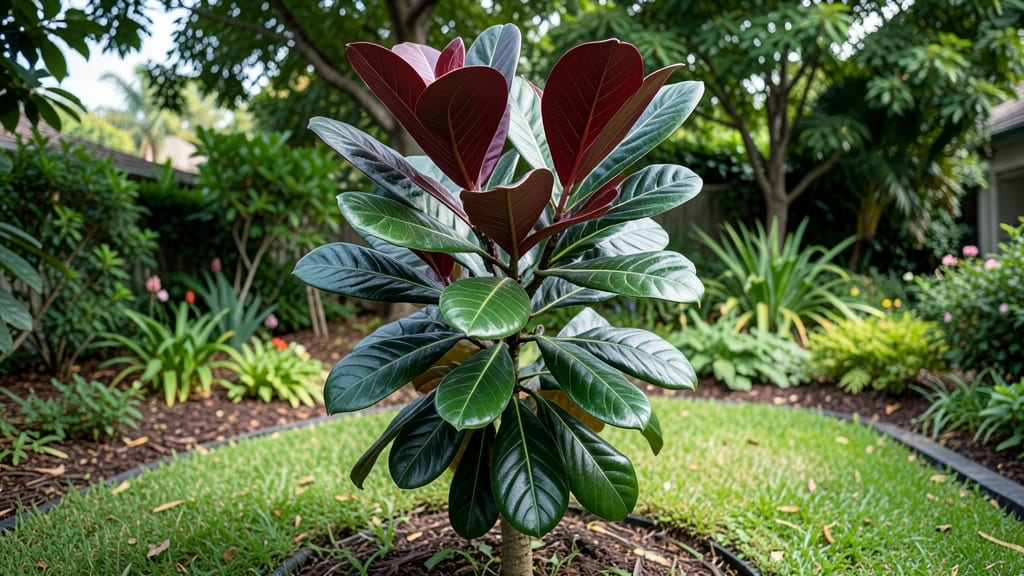
If you're curious about how tall your rubber plant 🌿 can grow, the answer might surprise you—this tropical beauty can stretch from a modest countertop plant to a towering indoor feature, or even a sprawling outdoor shrub if given the right conditions.
Whether you're a new plant parent or a seasoned gardener, understanding the factors that influence its height will help you shape its growth to fit your space perfectly.
The key to controlling your rubber plant's size lies in where you place it and how you care for it. Indoors, most varieties typically reach 6 to 10 feet over a few years, but with proper pruning, you can keep it compact or encourage bushier growth.
Outdoors in warmer climates, these plants can soar even higher, sometimes exceeding 15 feet when left unchecked.
Light, pot size, and even the variety you choose play a huge role in determining how tall your rubber plant will become. Some types, like the popular Black Prince, grow taller and faster, while others, such as the Variegata, may stay slightly shorter but wider.
By learning how to adjust your care routine, you can steer your plant toward the perfect height for your home or garden.
Ready to unlock the secrets to managing your rubber plant's growth? I'll walk you through everything you need to know—from ideal lighting conditions to pruning techniques—to help you grow a healthy, thriving plant that fits your space and style.

Rubber plant height guide: indoor growth expectations by variety and care
When you bring a rubber plant (Ficus elastica) indoors, its height depends on the variety you choose and how you care for it. Most rubber plants grow between 3 to 10 feet tall indoors, but with the right conditions, some varieties can reach even higher.
The key factors influencing height are light exposure, pot size, and pruning habits. Without pruning, a rubber plant can grow tall and leggy, while regular trimming encourages bushier growth.
If you’re planning to grow a rubber plant indoors, start by selecting a variety that matches your space. Some popular types include the Black Prince (dark leaves, fast growth), Variegata (creamy-white variegation, slower growth), and Burgundy (deep purple leaves, moderate growth).
Each variety has its own growth rate and mature height, so choosing the right one can help you achieve your desired look.
Here’s a quick comparison of how different rubber plant varieties grow indoors over time:
| Variety | Growth Rate (in/year) | Mature Height (ft) | Light Needs | Pruning Needs |
|---|---|---|---|---|
| Black Prince | 10–12 | 6–10 | Bright Indirect | Moderate |
| Variegata | 6–8 | 3–6 | Bright Indirect | High (to maintain variegation) |
| Burgundy | 8–10 | 5–8 | Medium to Bright | Moderate |
| Tineke | 5–7 | 3–5 | Bright Indirect | High (to encourage bushiness) |
Light exposure is one of the biggest factors in determining how tall your rubber plant grows. Place your plant near a bright, indirect light source, like an east-facing window, to encourage healthy growth.
If your rubber plant isn’t getting enough light, it will grow taller and leggy as it stretches toward the light. In contrast, too much direct sunlight can scorch the leaves, slowing growth and causing damage.
Pot size also plays a role in height. A too-small pot will restrict root growth, leading to slower height increases, while a too-large pot can cause the plant to focus on filling the extra space rather than growing upward.
Aim for a pot that’s 2–3 inches larger in diameter than the plant’s current root ball. If you want to control the height, choose a smaller pot and prune regularly to encourage bushier growth.
Pruning is another way to manage your rubber plant’s height. If left unpruned, a rubber plant can grow tall and spindly, reaching heights of 10 feet or more indoors.
However, with regular pruning—especially in spring or early summer—you can keep it at a manageable size, like 3–5 feet tall. Simply trim the top growth, and the plant will branch out, creating a fuller, bushier appearance.
To encourage faster growth, fertilize your rubber plant during the spring and summer months with a balanced, water-soluble fertilizer (like 10-10-10). Apply it every 4–6 weeks to provide the nutrients needed for steady height increases.
Avoid over-fertilizing, as this can lead to salt buildup in the soil, which can stunt growth or even kill the plant.
If you’re growing a rubber plant in a low-light environment, expect slower growth and a shorter mature height. In these conditions, the plant may only reach 3–5 feet tall over several years.
To help it grow taller, consider supplementing with a grow light for 4–6 hours a day. This will mimic natural light conditions and encourage upward growth.
Remember, rubber plants are slow growers compared to other houseplants, but with proper care, they can add a dramatic vertical element to your indoor space.
Whether you’re aiming for a tall, statement plant or a compact, bushy shrub, understanding how your variety grows will help you achieve the perfect look for your home.
Outdoor rubber plant growth: climate zones, sunlight needs, and potential heights
When you move your rubber plant (Ficus elastica) outdoors, its growth skyrockets—sometimes reaching 15–20 feet tall in ideal conditions. Unlike its indoor counterpart, outdoor rubber plants thrive in warmer climates like USDA zones 10–12, where they can sprawl into small trees.
Even in cooler zones, container-grown rubber plants can grow 6–10 feet tall with proper care and winter protection.
Sunlight is the key factor here. In full sun, rubber plants grow 3x faster than in shade, but they need protection from harsh afternoon rays to avoid leaf scorch.
The right balance of bright indirect sunlight (6–8 hours daily) ensures steady growth without stress. Without enough light, your plant may stretch awkwardly or develop weak stems.
Soil quality also plays a huge role. Rubber plants prefer well-draining, slightly acidic soil (pH 6.0–6.5) rich in organic matter. Amend heavy clay soil with compost to prevent root rot, which can stunt growth.
In containers, use a fast-draining mix with perlite or orchid bark to mimic their natural forest floor habitat.
🌿 Transitioning indoors to outdoors requires patience. Start by acclimating your plant to outdoor conditions over 2–3 weeks, moving it from shade to partial sun gradually. Avoid sudden temperature drops—rubber plants hate cold drafts and frost, which can kill them if exposed for more than 24 hours below 50°F.
| Factor | Outdoor Growth Impact | Care Tip |
|---|---|---|
| Climate Zone | Zones 10–12: 15–20 ft | Zones 6–9: 6–10 ft (container) | Use frost cloth in cooler zones |
| Sunlight | Full sun: 3x faster growth | Partial shade: slower but bushier | Avoid harsh afternoon sun |
| Soil | Well-draining, acidic (pH 6.0–6.5) = optimal growth | Add perlite to heavy soil |
| Watering | Deep watering every 5–7 days (containers dry faster) | Check soil moisture before watering |
| Pruning | Regular pruning = bushier growth and controlled height | Prune in spring for best results |
If you’re in a cooler climate, container growing is your best bet. Rubber plants in pots can be moved indoors during winter, but ensure the container has drainage holes to prevent root rot.
Overwatering outdoors is a common mistake—these plants prefer to dry out slightly between waterings. Stick your finger 2 inches into the soil; if it’s dry, it’s time to water.
For maximum height control, combine pruning with strategic placement. Place your rubber plant in a spot where it can grow toward the sky (like near a trellis or fence) to encourage upward growth. Just remember: the more you prune, the bushier—and shorter—it’ll stay. Balance is key!
✂️ With the right conditions, your outdoor rubber plant could become the tallest statement piece in your garden. Just watch out for pests like spider mites, which love dry conditions. Regularly mist the leaves or wipe them down to keep your plant thriving at its full potential height.