
How To
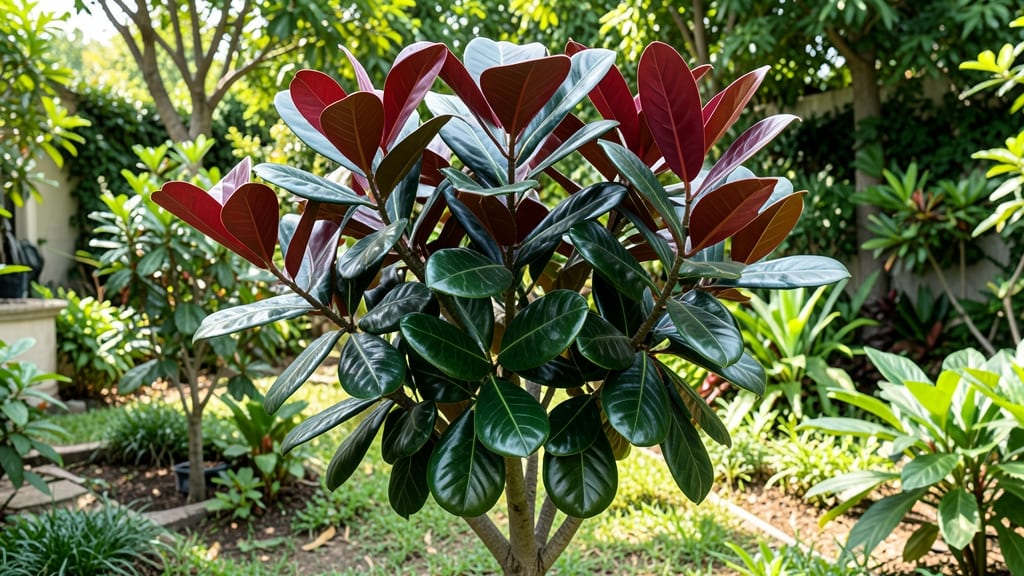
Wondering how tall rubber plant 🌿 can grow in your home? You might be surprised to learn these glossy-leaved giants can stretch from 3 feet to over 10 feet tall—depending entirely on the variety and care you provide.
If you're eyeing a Rubber Plant for your space, knowing its potential height helps you pick the perfect spot and variety. Some stay compact, while others reach towering heights—like a living room statement piece.
The good news? With the right light, pruning, and a little patience, you can control its growth to fit your home perfectly.
From dwarf varieties that stay under 3 feet to standard types that climb toward the ceiling, we'll break down exactly what to expect. Plus, I'll share the secrets to encouraging (or limiting) that vertical growth so your plant thrives exactly how you want it to.
Ready to transform your space with a plant that grows as boldly as your style? Let's dive into the details so you can make the best choice for your home and lifestyle.

Rubber plant height by variety: indoor growth chart comparison
Rubber plants (Ficus elastica) are prized for their bold foliage and striking growth patterns, but their mature height varies dramatically by variety. If you're planning your indoor garden layout, knowing these height ranges will help you choose the perfect cultivar for your space.
Some varieties stay compact, while others can reach towering heights—even indoors!
Here’s what you need to know about the most popular rubber plant varieties and their typical indoor growth rates. Remember, these are approximate measurements, as growth depends on light, care, and pruning habits. With the right conditions, your rubber plant could easily exceed these expectations!
If you're limited on vertical space, varieties like 'Tineke' or 'Doescheri' are excellent choices, typically staying under 6 feet. For a bold statement plant, 'Black Prince' or 'Robusta' will thrive in taller spaces like living rooms or sunrooms.
Pro tip: Place your rubber plant near a south-facing window to maximize growth potential!
Even within the same variety, growth rates can vary. For example, a 'White Princess' in low light might only reach 4 feet, while one in bright indirect light could top 8 feet.
The key is consistency in care—especially light exposure and watering. Over time, you’ll learn how your specific plant responds to your home’s conditions.
Another factor to consider is the stem thickness. Thicker stems (like in 'Robusta') support taller growth, while thinner stems (like 'Doescheri') may need staking to prevent bending.
If you notice your plant leaning toward the light, it’s a sign it needs to be rotated quarter-turns every 2 weeks for even growth.
For those who love bushier rubber plants, dwarf varieties like 'Tineke' or 'Burgundy' respond well to regular pruning. You can even propagate the cuttings to create a fuller look or share with fellow plant lovers.
Just remember: pruning too aggressively can stunt height growth, so aim for a balance between shape and size.
One common misconception is that rubber plants grow slowly. In reality, they can add 1–2 feet per year with ideal care! Track your plant’s growth by marking the stem height on a non-toxic plant marker or using a measuring tape.
Over time, you’ll notice how small changes—like moving to a brighter spot or adjusting watering—can dramatically impact height.
If you're new to rubber plants, start with a 3–4 foot variety like 'Burgundy' or 'Doescheri' to get a feel for their care needs. Once you’re confident, you can experiment with taller varieties.
Just be prepared for the emotional commitment—these plants can become a cherished part of your home for decades!
Factors that determine how tall your rubber plant will grow
Your rubber plant's height isn't set in stone—it's shaped by a mix of environmental factors and care choices. Understanding these variables helps you steer growth toward your desired size, whether you want a compact tabletop plant or a towering statement piece.
Let's explore the key elements that influence how tall your rubber plant will grow indoors.
First, light exposure plays a starring role in height control. Rubber plants grown under low light tend to stretch dramatically toward any available light source, a phenomenon called etiolation. This can make them grow 30% taller than their counterparts in bright, indirect light.
Position your plant near an east-facing window for optimal growth balance—enough light to prevent stretching but not so intense it burns the leaves.
Next, pot size directly impacts root growth, which in turn affects how tall your plant becomes. When roots are root-bound, the plant focuses energy on upward growth rather than spreading outward.
For standard varieties, choose a pot that's 2-3 inches larger in diameter than the plant's current base. Dwarf varieties thrive in smaller pots, helping keep their height in check.
- Light exposure: Low light = taller, stretched growth; bright light = compact, bushier plants
- Pot size: Root-bound plants grow taller; larger pots encourage wider growth
- Pruning habits: Regular pruning = bushier, shorter plants; no pruning = taller, leggy growth
- Humidity levels: Low humidity = slower growth; high humidity = faster, healthier growth
- Seasonal changes: Spring/summer = rapid growth; fall/winter = dormancy period
Don't overlook the impact of pruning habits on your plant's height trajectory. If you skip pruning entirely, your rubber plant will naturally grow taller as it focuses energy on vertical expansion. However, strategic pruning—especially pinching back the top growth—encourages lateral branching, creating a fuller, more compact plant.
I recommend pruning in early spring when new growth begins, using sterilized pruning shears to make clean cuts just above a leaf node.
Humidity levels also play a subtle but important role in growth patterns. Rubber plants native to tropical environments thrive in 50-60% humidity, which promotes steady, healthy growth. In dry indoor environments (common in winter), growth may slow or become uneven, potentially leading to taller but weaker stems.
To boost humidity, place your plant on a pebble tray or use a small humidifier nearby—this simple trick can make a noticeable difference in growth consistency.
Finally, seasonal growth patterns must be factored into your height expectations. Rubber plants experience two distinct growth phases: rapid growth during spring and summer (when they can add 6-12 inches in just a few months) and dormancy in fall and winter.
During dormancy, growth slows dramatically, sometimes halting entirely. Plan your pruning and repotting around these cycles to avoid sudden height spikes when you're not expecting them.
By paying attention to these factors, you'll gain precise control over your rubber plant's height. Whether you're aiming for a 3-foot tabletop specimen or a 10-foot indoor tree, understanding how each variable interacts gives you the power to shape your plant's growth trajectory—without leaving it to chance.
Start with small adjustments, monitor your plant's response, and refine your approach over time.