
How To
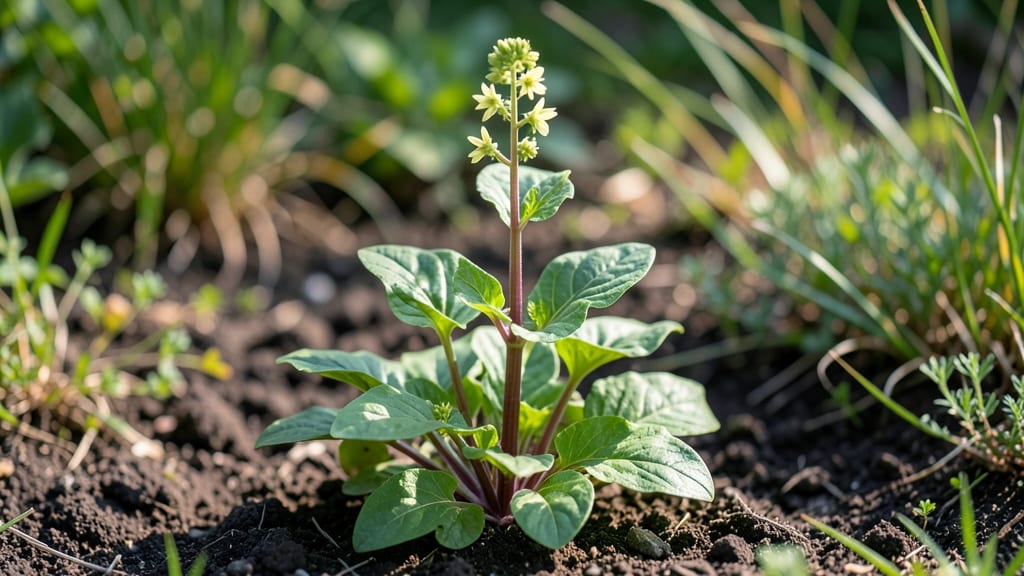
Wondering how tall does sorrel grow in your garden? The answer isn’t just about aesthetics—it’s the key to spacing, harvest timing, and even flavor. This tangy 🌱 herb typically reaches 12–36 inches, but the real secret lies in the variety you choose and how you care for it.
French sorrel, for example, stays compact at 12–18 inches, making it perfect for small gardens, while Buckler-leaf varieties can stretch toward 3 feet if given the right conditions. The difference? Sunlight, soil, and pruning habits—all factors that can either stunt growth or send your sorrel skyrocketing.
But here’s the catch: most gardeners overlook how spacing affects height. Plant sorrel too close, and you’ll end up with leggy, weak stems chasing sunlight. Too far apart, and you waste precious garden real estate.
I’ll show you the exact spacing and care tricks to keep your sorrel thriving at its ideal height—whether you’re growing it in USDA Zone 6a or beyond.
Ready to unlock the full potential of your sorrel patch? Let’s dive into the heights, habits, and hidden growth hacks that’ll turn your garden into a leafy, tangy powerhouse.

Sorrel height by cultivar: exact growth ranges for common varieties
Sorrel (Rumex acetosa) is a versatile leafy green that thrives in cool climates, but its mature height varies dramatically depending on the cultivar and growing conditions.
Most home gardeners grow common sorrel, which typically reaches 12–24 inches tall, but specialized varieties can stretch up to 36 inches under ideal conditions. Understanding these differences helps you plan your garden layout and maximize leaf production.
For example, French sorrel (Rumex scutatus) often grows shorter (12–18 inches) with broader leaves, making it perfect for container gardening. Meanwhile, Buckler-leaf sorrel (Rumex crispus) can reach 24–36 inches, producing taller, more upright stems.
The Red-veined sorrel variety stays compact at 12–20 inches, ideal for small gardens or edging.
Here’s why height matters: taller varieties like Buckler-leaf require more vertical space, while bushier types like French sorrel spread wider. This affects spacing, pruning frequency, and even harvest efficiency—taller plants need sturdier supports if grown in windy areas.
🌱
| Variety | Mature Height | Growth Habit | Best For |
|---|---|---|---|
| French Sorrel | 12–18" | Bushy, compact | Containers, small gardens |
| Buckler-Leaf Sorrel | 24–36" | Tall, upright | Large gardens, cut-and-come-again |
| Red-Veined Sorrel | 12–20" | Moderate, spreading | Borders, edging |
| Common Sorrel | 12–24" | Variable, bushy | General gardening |
Leaf size also correlates with height: taller varieties like Buckler-leaf produce larger, more robust leaves (4–6 inches long), while dwarf types yield smaller but more tender leaves (2–3 inches).
If you’re growing sorrel for salads or cooking, dwarf varieties require less frequent harvesting, while taller types need regular pruning to maintain compact growth and prevent bolting.
Pro tip: Harvest leaves from the bottom of the plant to encourage bushier growth. This method works best for French and Red-veined sorrel, which naturally stay shorter. For taller varieties like Buckler-leaf, prune stems back by 1/3 after harvest to promote lateral branching and prevent legginess.
Another key factor is climate. In cooler regions (USDA Zones 3–6), sorrel tends to grow taller and more robust, while in hotter zones (7–9), it often stays shorter (12–18 inches) unless given afternoon shade.
If you’re in a warm climate, mulch heavily to retain moisture and prevent heat stress, which can stunt growth.
🌿
For container gardening, dwarf varieties are ideal—they thrive in 5–7 gallon pots and rarely exceed 18 inches. If you’re growing sorrel in raised beds, taller varieties like Buckler-leaf can reach their full 36-inch potential with proper care.
Just ensure your bed is at least 12 inches deep to accommodate deep root systems.
Finally, soil fertility plays a role. Sorrel prefers moderately fertile soil—too much nitrogen leads to excessive leaf growth and weak stems, which can cause plants to flop.
Aim for a balanced fertilizer (5-10-10) applied once in early spring and avoid over-fertilizing, which can reduce leaf quality and height stability.
Factors that stunt or skyrocket sorrel growth (and how to control them)
Sorrel’s mature height isn’t set in stone—it’s heavily influenced by growing conditions. Poor soil, excessive heat, or over-fertilizing can stunt growth, while ideal conditions can push it toward its upper height limits. Understanding these factors helps you control height and avoid bolting (premature flowering).
One of the biggest height killers is too much sunlight. While sorrel tolerates partial shade, full sun exposure in hot climates stresses the plant, causing it to grow leggy and weak—often reaching only 12–18 inches instead of its full potential.
In cooler regions, however, full sun can encourage taller, bushier growth up to 36 inches.
Soil pH plays a critical role too. Sorrel thrives in acidic to neutral soil (pH 4.5–6.5). If your soil is too alkaline (pH 7+), nutrient uptake suffers, stunting height.
Test your soil and amend with sulfur or peat moss if needed. Well-draining soil is equally important—waterlogged roots cause root rot, halting growth entirely.
Watering habits also impact height. Inconsistent moisture leads to stunted, uneven growth, while overwatering can cause bolting. Aim for 1 inch of water weekly, adjusting for rain. Morning watering prevents fungal issues that weaken stems and reduce height potential.
Pruning is your secret weapon for controlling sorrel height. Regularly pinch back the tallest stems to encourage bushier, more compact growth. This not only keeps plants under 24 inches but also boosts leaf production. For taller varieties like Buckler-leaf sorrel, prune every 4–6 weeks to maintain a manageable height.
If your sorrel starts bolting (sending up flower stalks), act fast. Cut back the flowering stems to 6 inches above the soil. This resets growth, often producing a second flush of leaves. In hot climates, provide afternoon shade to delay bolting and extend the growing season.