
How To
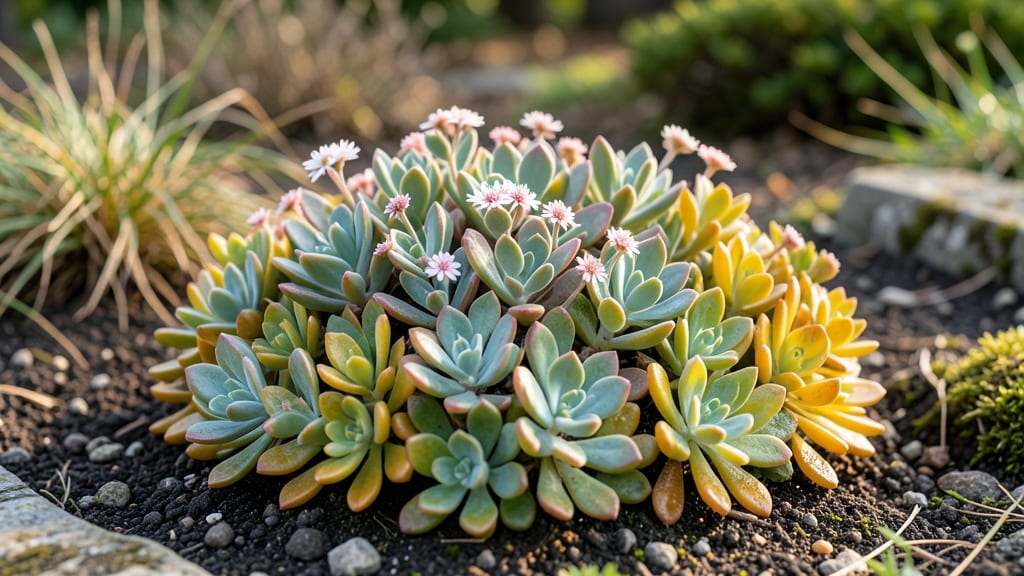
If you're wondering how tall does stonecrop grow, the answer might surprise you—this versatile succulent can range from a 2-inch ground-hugging carpet to a towering 1.5-foot upright beauty, depending on the variety.
Whether you're dreaming of a low-maintenance border or a dramatic focal point, stonecrop (🌵) delivers with adaptability that fits any garden style.
Some varieties, like Sedum acre, stay compact—perfect for rock gardens or between stepping stones—while others, such as Sedum spectabile, reach their mature height of 12–18 inches in just a season. The key? Sunlight exposure, soil drainage, and pruning habits all play a role in shaping its growth.
For those planning small spaces, dwarf stonecrop varieties stay under 6 inches, making them ideal for containers or edging. Meanwhile, taller types thrive in full sun, adding height and texture to mixed borders. Let’s break down the height ranges and how to choose the perfect stonecrop for your space.
Ready to transform your garden? Discover the best stonecrop types for your needs—whether you want a lush ground cover or a striking vertical accent—and learn how to keep it thriving year after year.

Stonecrop height variations: dwarf, compact, and sprawling types
Stonecrop (Sedum spp.) offers a stunning range of heights, from ground-hugging varieties that stay under 4 inches to tall upright types reaching 18 inches. The key to choosing the right stonecrop lies in understanding these height variations and how they fit into your garden design.
Whether you want a low-maintenance ground cover or a bold vertical accent, there’s a stonecrop variety to match your vision.
Most stonecrop plants fall into three broad height categories: dwarf (2–4 inches), compact (6–12 inches), and sprawling (12–18 inches). These categories aren’t rigid, though—some varieties can stretch beyond their typical range depending on growing conditions.
For example, 'Dragon’s Blood' stonecrop (Sedum 'Dragon’s Blood') usually stays compact at 6–12 inches but may reach 15 inches in ideal conditions.
Here’s how stonecrop varieties break down by height, along with their growth habits and ideal uses in the garden:
| Variety | Height Range | Growth Habit | Best For |
|---|---|---|---|
| 'Angelina' | 3–6 inches | Spreading ground cover | Rock gardens, slopes, borders |
| 'Dragon’s Blood' | 6–12 inches | Compact clumps | Container gardens, edging |
| 'Autumn Joy' | 12–18 inches | Upright, bushy | Back of borders, cut flowers |
| 'Stonecrop 'Acre' | 2–4 inches | Mat-forming | Crevice gardens, walls |
| 'Angelina Obelisk' | 12–15 inches | Columnar | Vertical accents, containers |
| 'Matrona' | 10–12 inches | Bushy, rounded | Pollinator gardens, borders |
Note: Heights are approximate and may vary based on growing conditions.
If you’re designing a low-profile garden, dwarf stonecrops like 'Angelina' or 'Stonecrop 'Acre' are perfect for filling gaps between stepping stones or cascading over walls. These varieties thrive in small spaces and require minimal pruning.
For a bold statement, taller varieties like 'Autumn Joy' or 'Angelina Obelisk' add vertical interest and attract pollinators with their late-season blooms.
One of the most exciting aspects of stonecrop is how its height can be influenced by its growing environment. For instance, 'Autumn Joy' may stay shorter in partial shade but can reach its full 18-inch height in full sun.
This adaptability makes stonecrop a versatile choice for almost any garden style, from modern containers to traditional cottage gardens.
For container gardening, compact varieties like 'Dragon’s Blood' or 'Matrona' work beautifully in pots, where their controlled height prevents them from overwhelming smaller spaces. In contrast, sprawling types like 'Angelina' can spill over the edges of raised beds or window boxes, creating a lush, cascading effect.
When planning your garden, consider pairing stonecrop with complementary plants. For example, tall stonecrops like 'Autumn Joy' pair well with grasses or ornamental onions for height contrast, while dwarf varieties blend seamlessly with creeping thyme or mosses in ground covers. This layering creates depth and texture in your landscape design.
If you’re still unsure which stonecrop to choose, start with a mix of heights in a single bed. For example, plant 'Angelina' in the front for ground cover, 'Dragon’s Blood' in the middle for color, and 'Autumn Joy' in the back for height and seasonal interest.
This approach ensures your garden remains dynamic and visually engaging throughout the year.
Remember, stonecrop’s height isn’t set in stone—literally! With the right care, you can guide its growth to fit your space perfectly. Whether you prefer a neat, manicured look or a wild, natural spread, stonecrop adapts to your vision.
The key is to choose the right variety and provide the conditions it needs to thrive.
🌱
Factors that influence stonecrop growth height: sunlight, soil, and care
Stonecrop's height potential isn't fixed—it responds dramatically to your growing conditions. Sunlight exposure is the #1 factor: full sun (6+ hours) encourages taller, bushier growth, while partial shade keeps plants shorter and more compact.
For example, 'Autumn Joy' can reach 24 inches in full sun but stays under 12 inches with morning shade only.
Your soil type also plays a critical role. Well-draining, rocky soil (mimicking stonecrop's natural habitat) promotes vertical growth, while rich, moisture-retentive soil can lead to sprawling rather than upright forms. Always amend heavy clay with gravel or sand to prevent leggy, weak stems.
🌱 Key Takeaway:
Stonecrop height adjusts based on 3 critical factors:
- Sunlight: Full sun = taller growth (up to 3x height difference)
- Soil: Poor drainage = leggy, weak stems
- Pruning: Pinch tips = bushier, shorter plants
Pro Tip: Deadhead spent blooms to redirect energy to foliage growth rather than seed production.
Your watering habits can also stunt or encourage growth. Overwatering leads to soft, elongated stems (reaching 50% taller than normal), while drought conditions trigger compact, drought-resistant forms. Water deeply but infrequently—aim for 1 inch every 2 weeks—to maintain sturdy growth.
Don't underestimate the power of pruning to control height. Regularly pinch back tips in early summer to encourage branching and shorter stature. For varieties like 'Dragon's Blood', aggressive pruning can reduce height from 12 inches to just 6 inches while increasing foliage density.
Even the time of year affects growth patterns. Stonecrop grows most vigorously in spring and fall, when temperatures are mild. In hot summers, growth slows naturally, while cool winters can reduce mature height by 20-30% in some varieties. Plan your planting timeline to maximize your desired height.
For container gardening, pot size matters. A 5-gallon pot restricts root growth, keeping 'Angelina' at 8 inches tall, while the same plant in ground beds can reach 12 inches. Use shallow, wide containers to encourage horizontal spread instead of vertical growth.