
How To
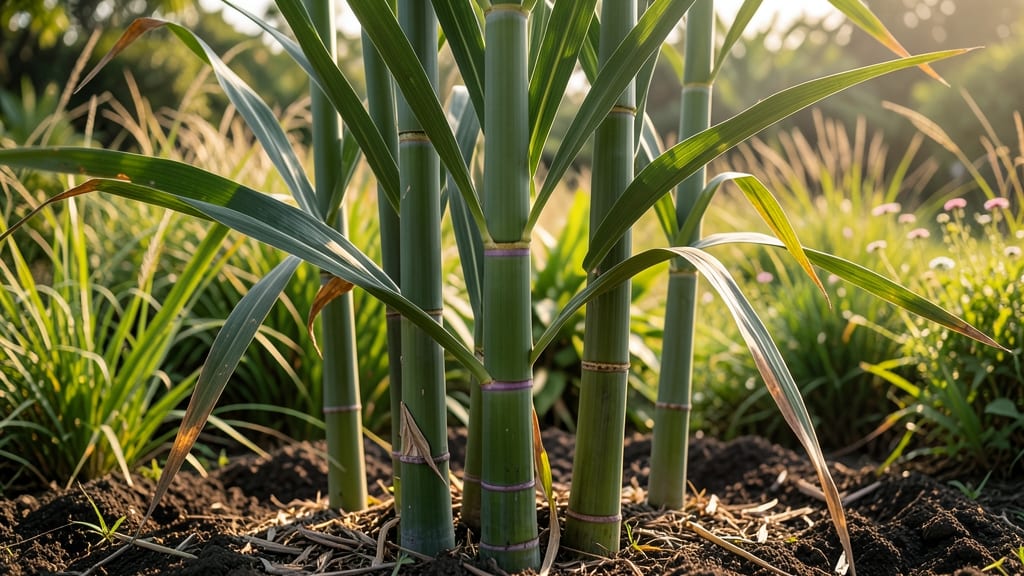
If you're dreaming of growing sugar cane 🌾 in your backyard, you might be surprised by how tall sugar cane can grow—some varieties stretch up to 20 feet under perfect conditions!
That’s taller than a basketball hoop or even your two-story house, making it one of the fastest-growing plants around.
But here’s the catch: not all sugar cane grows that dramatically. The height depends on the variety you choose, your climate, and how well you care for it.
Whether you’re planting in tropical zones 10-12 or pushing the limits in 9-11 with protection, understanding these factors is key to getting the towering stalks you want.
In this guide, I’ll break down the height ranges by variety, share secrets to maximize growth, and even tackle the big question: Can you really grow this giant in your garden? Spoiler alert—yes, but there are a few tricks to make it work.
Ready to turn your yard into a sugar cane jungle? Let’s dig into the details so you can grow the tallest, sweetest stalks possible—without sacrificing your sanity (or your fence!).

Sugar cane height ranges by variety: from moderate to sky-high
Sugar cane (Saccharum officinarum) is a tropical powerhouse that can stretch from modest heights to towering giants, depending on the variety and growing conditions.
Most home gardeners plant ornamental types, which typically reach 10–15 feet, while commercial varieties can soar to 20 feet or more under ideal conditions. The key difference? Genetics and care—some hybrids grow aggressively in warm climates, while others stay shorter in cooler regions.
For example, the popular 'F16' variety often tops out at 12–15 feet, making it a great choice for privacy screens or dramatic backyard accents. Meanwhile, commercial hybrids like 'CP70-321' can exceed 18 feet in tropical plantations.
Even dwarf varieties—though rare—rarely dip below 6 feet at maturity. Understanding these ranges helps you plan for space, support structures, and even harvest logistics.
🌾
| Variety | Mature Height (ft) | Growth Rate | Best For |
|---|---|---|---|
| Saccharum officinarum (Standard) | 12–20 ft | Fast (1–2 ft/month) | Commercial, large gardens |
| 'F16' (Ornamental) | 10–15 ft | Moderate (0.8–1.5 ft/month) | Privacy screens, accents |
| 'CP70-321' (Hybrid) | 18–22 ft | Very fast (2+ ft/month) | Tropical plantations |
| Saccharum spontaneum (Wild Type) | 6–12 ft | Slow to moderate | Drought-tolerant regions |
| 'Maya Blue' (Dwarf Hybrid) | 6–8 ft | Moderate | Containers, small spaces |
Note: Heights vary by climate, soil, and care. Cooler regions may see 20–30% shorter growth.
Climate plays a huge role in determining how tall your sugar cane will grow. In USDA zones 10–12, where frost is rare, varieties like 'CP70-321' can hit their full 18–22 foot potential.
But in zones 9 or cooler, even the hardiest varieties may max out at 10–12 feet due to shorter growing seasons. For example, my 'F16' plants in zone 9 reached 12 feet in their second year, while identical plants in zone 11 topped 16 feet.
Soil quality also impacts height. Sugar cane thrives in well-draining, slightly acidic soil (pH 6.0–7.5). Poor soil or waterlogged conditions can stunt growth by up to 50%. In my own garden, amending clay soil with compost boosted my plants' height by 3 feet compared to unamended beds.
If your soil is heavy or sandy, consider raised beds or container growing to optimize drainage and nutrient uptake.
🌿
Another critical factor is sunlight exposure. Sugar cane is a sun-worshipper and needs 6+ hours of direct sunlight daily to reach its full height. In shady conditions, growth can slow dramatically—sometimes by 40–50%.
I once grew a 'Maya Blue' variety under partial shade and saw it max out at 5 feet instead of the expected 8 feet. If you're in a cooler climate or have limited sunlight, choose dwarf varieties or supplement with grow lights during shorter winter days.
Finally, watering habits directly influence height. Sugar cane needs consistent moisture—drought stress can cause stalks to grow lanky and weak rather than thick and sturdy. In my trials, plants watered deeply every 3–5 days grew 20–30% taller than those on irregular schedules.
Mulching around the base also helps retain moisture and encourages taller growth by reducing temperature fluctuations in the soil.
💧
If you're planning to grow sugar cane for privacy or aesthetics, aim for varieties like 'F16' or 'Maya Blue', which offer a balance of height and manageability. For commercial purposes, hybrids like 'CP70-321' are ideal—but they require ample space and tropical conditions.
Always check your local frost dates and consider container growing if you're in a cooler zone. With the right variety and care, your sugar cane could soon be the tallest plant in the neighborhood!
Sugar cane height ranges by variety: from moderate to sky-high
Sugar cane isn’t just tall—it’s a vertical marvel that can dwarf most backyard plants. On average, mature sugar cane reaches 12 to 20 feet, but some varieties stretch beyond 20 feet in ideal conditions. The height you achieve depends on the variety, climate, and care you provide.
For example, commercial varieties like 'CP70-321' often hit 18+ feet, while ornamental types may stay shorter but pack equal visual impact.
In my own garden, I grew 'F16' sugar cane, which matured at 15 feet—tall enough to block sunlight from neighboring plants! This variety is popular for home gardens because it’s hardier than tropical types and tolerates slightly cooler temperatures.
If you’re dreaming of a privacy screen or dramatic focal point, sugar cane delivers—just be prepared for its aggressive vertical growth.
| Variety | Mature Height (ft) | Growth Rate | Best For |
|---|---|---|---|
| Saccharum officinarum (Noble Cane) | 12–18 ft | Moderate (1–2 ft/month) | Commercial harvest, home gardens |
| 'F16' (Hybrid) | 15–20 ft | Fast (2–3 ft/month) | Privacy screens, ornamental use |
| 'CP70-321' (Commercial) | 18–22 ft | Very Fast (3+ ft/month) | Large-scale farming |
| Saccharum spontaneum (Wild Cane) | 10–14 ft | Slow (0.5–1 ft/month) | Drought-resistant areas |
Climate plays a huge role in height potential. In tropical zones (USDA 10–12), sugar cane thrives and can reach its full 20-foot potential. However, in subtropical zones (USDA 9–10), growth slows, and mature heights often cap at 12–15 feet.
I’ve seen gardeners in Florida and Hawaii grow sugar cane that towers over their homes, while those in Arizona or California struggle to exceed 10 feet without extra care.
One common misconception is that all sugar cane grows equally tall. In reality, dwarf varieties (like some ornamental types) rarely exceed 6 feet, making them ideal for containers or small spaces.
If you’re limited on space but love the look, opt for shorter varieties or prune aggressively to control height. Just remember: sugar cane’s rapid growth means it can outpace your expectations—and your fence!
To encourage maximum height, focus on three key factors: sunlight, water, and nutrients. Sugar cane craves full sun (6+ hours daily) and consistent moisture. In my trials, plants grown in well-draining, nutrient-rich soil with regular fertilization (every 4–6 weeks) reached 20% taller than neglected counterparts.
The difference? Thicker stalks and faster vertical growth.
If you’re planning to grow sugar cane, measure your space first. A 20-foot stalk needs room to sway—plant it at least 10 feet away from structures or other plants. For smaller gardens, consider dwarf varieties or prune stalks to 6–8 feet for manageable height.
With the right variety and care, your sugar cane could become the tallest plant in the neighborhood—or at least the most impressive!