
How To
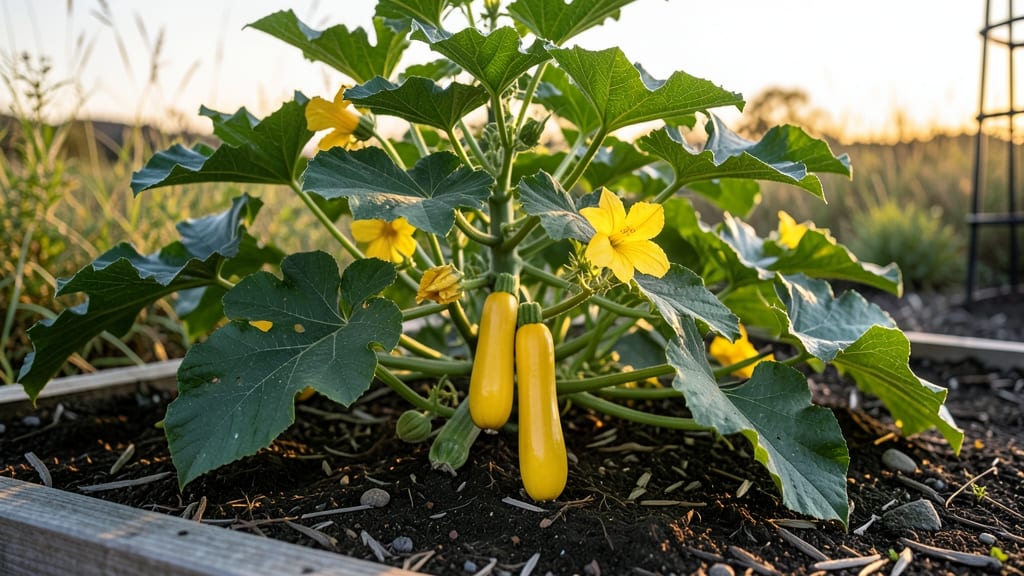
When planning your summer garden, knowing how tall summer squash grows is the key to avoiding crowded plants and wasted space. These versatile veggies can range from compact 1-foot bushes to sprawling 3-foot vines, and the difference shapes your entire planting strategy.
If you've ever struggled with squash vines overtaking your garden or failing to thrive due to poor spacing, you're not alone. The right placement can mean the difference between a bountiful harvest and a frustrating season.
I'll break down the growth habits of popular varieties and show you exactly how to optimize your garden layout for maximum yield.
Whether you're working with a small urban plot or a spacious backyard, understanding vine lengths helps you decide between bush types (like Zucchini) that stay neat or vining varieties that need room to roam.
Proper spacing isn't just about aesthetics—it directly impacts air circulation, sunlight access, and even disease prevention.
Let's explore how to choose the perfect spot for your 🍆 summer squash, from trellising techniques for vertical growth to spacing tricks that work in tight spaces. Your garden's productivity starts with knowing these growth patterns—so let's get growing!

Summer squash vine lengths by variety: compact vs. sprawling types
Summer squash plants vary dramatically in size—some stay neat and compact while others sprawl aggressively across your garden bed. Understanding these differences helps you plan spacing and maximize yield.
For instance, bush varieties like Eight Ball zucchini stay under 2 feet tall, while sprawling types like Yellow Crookneck can stretch 6 feet or more with long, rambling vines.
Your garden layout depends entirely on the variety you choose. Compact types thrive in small spaces or containers, while sprawling varieties need room to roam—or a sturdy trellis to contain their growth.
Let’s break down the most popular types and their vine lengths so you can pick the perfect fit for your space.
| Variety | Vine Length | Plant Type | Spacing Needs | Best For |
|---|---|---|---|---|
| Eight Ball Zucchini | 1–2 ft tall, 2–3 ft spread | Bush | 12–18 inches apart | Containers, small gardens |
| Black Beauty Zucchini | 2–3 ft tall, 3–4 ft spread | Bush | 18–24 inches apart | Raised beds, in-ground plots |
| Yellow Crookneck | 3–6 ft tall, 4–6 ft spread | Vining | 30–36 inches apart | Large gardens, trellises |
| Pattypan Squash | 2–4 ft tall, 3–5 ft spread | Semi-vining | 24–30 inches apart | Medium beds, containers with support |
| Straightneck Squash | 3–5 ft tall, 4–5 ft spread | Vining | 30–36 inches apart | Large plots, trellises |
If you’re working with limited space, bush varieties like Eight Ball or Patio Star are ideal—they stay under 2 feet tall and produce abundantly without sprawling. For larger gardens, vining types like Yellow Crookneck reward you with longer harvests but need more room to thrive.
Pro tip: Check seed packets for mature plant size before buying. Some "bush" types can still spread if not pruned, while vining varieties may need trellising or staking to control their growth. Always plant according to the spacing recommendations to avoid competition for nutrients and sunlight.
For container gardening, opt for compact varieties like Bush Baby zucchini, which grow well in 5-gallon pots with proper spacing. Just ensure your container has drainage holes to prevent root rot—a common issue with overwatered squash.
🌱
Another key factor is vine strength. Some varieties, like Straightneck squash, have heavier fruits that can weigh down vines if not supported. If you’re trellising, choose varieties with stronger stems or use a soft tie to secure vines gently.
🌿
Finally, remember that pruning can influence vine length. Pinching off side shoots early in the season encourages the plant to focus energy on fruit production rather than excessive growth. This is especially useful for sprawling varieties in small gardens.
🪴
Summer squash vine lengths by variety: compact vs. sprawling types
Summer squash plants vary dramatically in vine length, from compact bush varieties that stay under 2 feet to sprawling vining types reaching 6 feet or more. Understanding these differences helps you plan your garden layout and maximize space.
For example, zucchini like 'Black Beauty' sprawl aggressively, while bush varieties like 'Eight Ball' stay tidy and compact.
Most summer squash plants fall into two main categories: bush types (1-2 feet tall) and vining types (3-6 feet long). The vine length directly impacts how much space you'll need between plants.
Compact varieties are ideal for small gardens or containers, while sprawling types require more room to thrive and produce abundantly.
| Variety | Vine Length | Spacing Needs | Best For |
|---|---|---|---|
| Zucchini (Black Beauty) | 3-6 ft | 36" apart | Large gardens, trellises |
| Eight Ball (Bush Zucchini) | 1-2 ft | 12-18" apart | Containers, small spaces |
| Yellow Crookneck | 4-5 ft | 24-36" apart | Raised beds, trellises |
| Pattypan (Scallop Squash) | 2-3 ft | 18-24" apart | Small gardens, containers |
If you're growing vining summer squash like 'Black Beauty' or 'Yellow Crookneck,' plan for at least 3 feet of space between plants. These varieties send out long, sprawling vines that can spread out to 6 feet or more.
In contrast, bush varieties like 'Eight Ball' or 'Patio Star' stay compact, making them perfect for containers or small gardens.
For small-space gardening, consider dwarf or bush varieties. They produce just as many squash as their vining counterparts but require only 12-18 inches of space. This makes them ideal for balconies, patios, or even large pots.
Always check the seed packet or plant tag for specific vine length details—this ensures you choose the right variety for your garden layout.
Another key factor is trellising. Sprawling varieties can be trained vertically to save space, but even then, their roots spread widely. If you're using containers, opt for bush types or dwarf varieties to avoid overcrowding.
Proper spacing ensures better airflow, reducing the risk of diseases like powdery mildew, which can stunt growth.
When selecting varieties, think about your garden's layout and your harvesting goals. Vining types produce more squash but need more space, while bush types are easier to manage in tight spaces.
No matter which you choose, always provide well-draining soil and full sun to encourage healthy vine growth and abundant harvests.