
How To
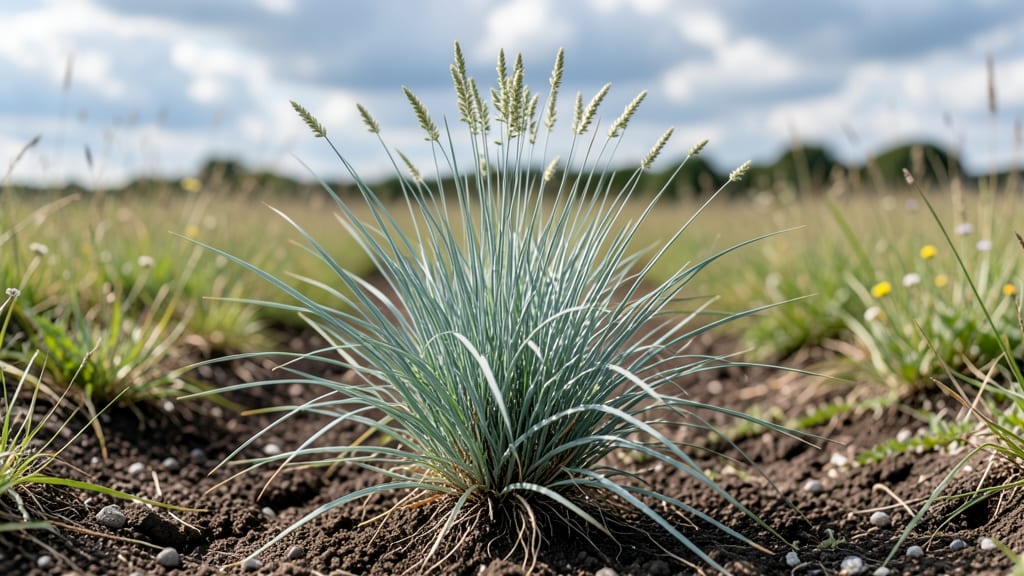
Wondering how tall does timothy grass grow in your yard? If you're planning to plant this hardy perennial 🌾 for lawns, pastures, or hay, knowing its mature height is key to avoiding overgrowth or underutilized space.
Timothy grass typically reaches 3 to 6 feet at full maturity, making it taller than many ornamental grasses but shorter than small trees. The exact height depends on factors like variety, sunlight exposure, and maintenance—so what works for a hay field might need adjustments for a neat lawn.
Whether you're aiming for a lush pasture or a well-manicured yard, understanding these growth patterns helps you plan ahead. I’ll break down how to control its height and when to expect peak growth, so you can make the most of your timothy grass investment.
Let’s dive into the specifics—because the right approach makes all the difference in achieving the perfect height for your needs.

Timothy grass height by variety: what to expect at maturity
Timothy grass (Phleum pratense) is a versatile perennial that thrives in lawns, pastures, and hay fields—but its mature height varies dramatically by variety. Understanding these differences helps you choose the right type for your needs.
Whether you want a short, dense lawn or tall hay for livestock, selecting the correct variety ensures optimal results.
Most timothy grass varieties fall within the 3 to 6 feet range at maturity, but some dwarf or semi-dwarf types stay shorter.
For example, 'Fawn' timothy typically reaches 3 to 4 feet, making it ideal for residential lawns, while 'Prairie' timothy can grow up to 5 to 6 feet, perfect for hay production or wildlife habitats.
Here’s a quick look at how height varies by variety and its best uses:
| Variety | Mature Height | Best For | Notes |
|---|---|---|---|
| 'Fawn' | 3–4 ft | Lawns, erosion control | Dwarf variety, stays shorter with mowing |
| 'Prairie' | 4–6 ft | Hay, pastures, wildlife | Tallest variety, needs less frequent mowing |
| 'Meadow' | 3.5–5 ft | Ornamental grass, meadows | Medium height, great for pollinator gardens |
| 'Climax' | 4–5 ft | Hay, livestock feed | High yield, drought-tolerant |
| 'Athena' | 2.5–4 ft | Lawns, golf courses | Semi-dwarf, fine texture |
If you’re planting timothy grass for a lawn or golf course, opt for shorter varieties like 'Fawn' or 'Athena' to keep maintenance manageable. For hay production or wildlife habitats, taller varieties like 'Prairie' or 'Climax' provide better yields and habitat value.
Height isn’t the only factor—growth habit matters too. Some varieties like 'Meadow' timothy have a clumping growth pattern, which makes them ideal for ornamental use, while others spread more aggressively, covering ground faster for erosion control.
For first-year growth, expect timothy grass to stay shorter—typically 1 to 2 feet—as it establishes roots. By the second year, it reaches its mature height, so plan accordingly if you’re seeding a new lawn or pasture.
Pro tip: If you’re using timothy grass for hay, let it grow taller before cutting—aim for 4 to 5 feet—to maximize yield. For lawns, mow regularly to keep it at 2 to 3 inches for a neat appearance.
One common mistake is assuming all timothy grass grows the same. Over-mowing tall varieties can stress the plant, while under-mowing short varieties can lead to seed production and a wild look. Match your mowing schedule to the variety’s natural growth habit.
🌾
Factors that influence timothy grass height: sun, soil, and care
Timothy grass (Phleum pratense) thrives when given the right conditions, but its height can vary significantly based on sunlight exposure, soil quality, and maintenance practices.
Understanding these factors helps you control whether your timothy grass grows tall and lush for hay or short and manicured for a lawn. Let’s break down what truly impacts its mature height.
First, sunlight is the most critical factor. Timothy grass needs full sun (6+ hours daily) to reach its full height potential. In shady conditions, it may only grow 2 to 3 feet tall, while optimal sunlight pushes it toward 5 to 6 feet.
If you’re planting in partial shade, expect slower growth and a shorter stature, which might not be ideal for hay production but could work for ornamental borders.
Next, soil fertility and drainage play a huge role. Well-draining, nutrient-rich soil encourages taller growth, while poor or compacted soil can stunt timothy grass to 3 feet or less. Conduct a soil test before planting—aim for a pH of 6.0 to 7.0.
Amending with compost or a balanced 10-20-10 fertilizer in early spring can boost height by 1 to 2 feet compared to neglected soil.
- Sunlight: Full sun (6+ hrs) = 5-6 ft | Partial shade = 2-3 ft
- Soil Quality: Fertile, well-drained soil = taller growth | Poor soil = stunted
- Watering: Deep, infrequent watering = stronger stems | Overwatering = weak, leggy growth
- Mowing Height: Cutting at 3-4 inches = shorter, denser grass | Cutting at 6+ inches = taller, looser growth
- Fertilization: Balanced NPK (10-20-10) = 1-2 ft taller | No fertilizer = shorter, less dense
Watering habits also shape height. Timothy grass is drought-tolerant once established, but deep, infrequent watering (every 7-10 days) encourages stronger stems and fuller growth. Overwatering or shallow watering can lead to weak, leggy grass that struggles to reach its potential height.
Aim for 1 to 1.5 inches of water per week during the growing season.
Finally, mowing frequency and height directly control timothy grass’s stature. If you’re growing it for hay, let it reach 4 to 6 feet before harvesting. For lawns or erosion control, mow regularly at 3 to 4 inches to keep it shorter.
Avoid cutting more than one-third of the blade height at once—this stresses the plant and can reduce its overall vigor and height.
By tweaking these factors, you can maximize or minimize timothy grass height to fit your needs—whether you want a tall, wild meadow or a neat, short lawn.
Start with sunlight and soil, then adjust watering and mowing to fine-tune the results. With the right care, you’ll get the perfect height every time! 🌾