
How To
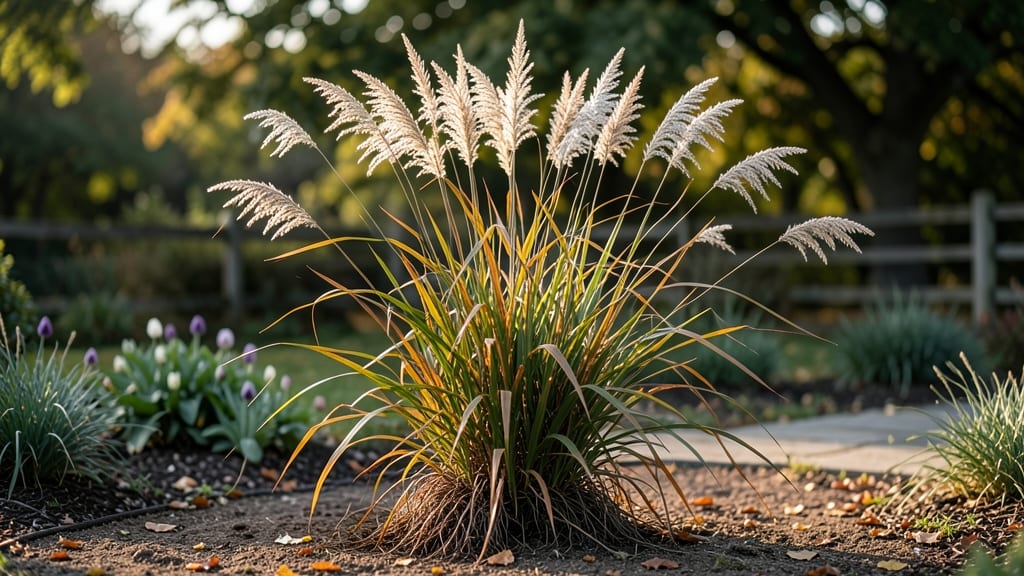
Wondering how tall does ornamental grass grow before it takes over your small garden? The answer isn't one-size-fits-all—some varieties stay as short as 6 inches, while others shoot up to 12 feet or more!
This dramatic range means your choice could make or break your landscape design, especially in tight spaces.
Ornamental grasses like 🌿 maiden grass or fountain grass bring movement and texture to gardens, but their mature heights determine everything from spacing to maintenance. A 3-foot variety might work perfectly in a container, while a 6-foot specimen could become a focal point—or a space hog—if not planned carefully.
Let’s break down the key factors influencing their growth and how to pick the right type for your needs.
Climate plays a huge role—cooler zones like USDA 6a might see slower growth, while warmer areas could push grasses to their maximum heights faster. Pruning habits also change based on the species: some need annual trims, while others thrive with minimal intervention.
I’ll share how to control their growth without sacrificing that lush, natural look you love.
Whether you’re dreaming of a low-maintenance border or a dramatic vertical accent, knowing these details helps you avoid common mistakes. By the end, you’ll confidently select grasses that fit your space—and your vision—without ending up with a jungle where you wanted a garden.

Ornamental grass height guide: compact to towering varieties for small gardens
Ornamental grasses come in a stunning range of heights, from dwarf varieties under 1 foot to towering giants over 10 feet. For small gardens, understanding these height ranges is key to creating a balanced, visually appealing landscape without overcrowding.
The right choice can transform a cramped space into a layered, textured oasis—while the wrong pick might leave you with a jungle of grass.
Most ornamental grasses fall into three broad categories: dwarf (under 2 feet), medium (2-5 feet), and tall (6+ feet). Dwarf varieties excel in containers, window boxes, and tight borders, while medium-height grasses work beautifully as border plants or mid-layer accents.
Tall grasses, often the stars of modern landscapes, require strategic placement to avoid overshadowing other plants or blocking views.
Here’s a quick breakdown of how height impacts your garden’s design and maintenance:
| Variety | Mature Height | Ideal Spacing | Best Uses |
|---|---|---|---|
| Dwarf Grasses (e.g., Carex oshimensis, Pennisetum 'Little Bunny') | 6"–24" | 6"–12" apart | Containers, rock gardens, edging |
| Medium Grasses (e.g., Miscanthus 'Malepartus', Calamagrostis 'Karl Foerster') | 2'–4' | 18"–24" apart | Borders, mid-layer plantings, privacy screens |
| Tall Grasses (e.g., Panicum 'Northwind', Andropogon gerardii) | 5'–12' | 3'–5' apart | Backdrop plants, focal points, windbreaks |
For example, Carex oshimensis stays under 1 foot tall, making it perfect for container gardening or spilling over retaining walls. In contrast, Panicum virgatum 'Northwind' can reach 5 feet or taller, ideal for creating a dramatic backdrop or screening unwanted views.
Always check the mature height on the plant tag—what starts as a 1-foot sapling can become a 6-foot giant in just a few years!
Spacing is just as critical as height. Planting tall grasses too closely can lead to competition for nutrients and light, stunting growth. A general rule: space grasses 1.5–3 times their mature height apart.
For instance, a 4-foot grass should have 6–12 feet of space between it and other plants to thrive without crowding.
Climate also plays a role in how tall ornamental grasses grow. In warmer, sunnier climates, grasses often grow taller and fuller, while cooler or shadier conditions may result in slightly shorter, denser growth.
If you’re in a USDA Zone 5 or colder, opt for hardy varieties like Miscanthus sinensis or Festuca glauca, which handle frost better than tropical species.
Pruning habits can also influence height. Some grasses, like feather reed grass (Calamagrostis), benefit from late-winter pruning to encourage fresh growth, while others, like maiden grass (Miscanthus), should be left standing for winter interest.
Always prune back dead foliage in early spring to make room for new shoots and maintain a tidy appearance.
Pro tip: Use height to create layers in your garden. Place dwarf grasses in the front, medium varieties in the middle, and tall grasses in the back. This technique adds depth and draws the eye through your landscape, making even small spaces feel expansive and intentional.
If you’re working with containers or raised beds, prioritize dwarf or semi-dwarf varieties that won’t outgrow their space. Varieties like Pennisetum 'Little Bunny' or Carex 'Ice Dance' stay under 2 feet tall, perfect for balcony gardens or patio pots.
Just ensure your container has drainage holes and use a well-draining potting mix to prevent root rot.
Finally, remember that ornamental grasses are low-maintenance once established. With the right height and spacing, they’ll provide year-round structure, texture, and movement—even when other plants are dormant. Start small, experiment with different varieties, and let their natural beauty shine!
Ornamental grass height guide: compact to towering varieties for small gardens
Ornamental grasses transform small gardens with their arching plumes and textured foliage, but their mature heights can make or break your design. Some varieties stay under 12 inches, while others tower over 10 feet.
Understanding these ranges helps you create layers—dwarf grasses for containers, mid-height varieties for borders, and tall types for privacy screens.
Your garden’s scale matters! A 6-foot fountain grass might overwhelm a patio, while a 2-foot carex could disappear in a large border. Below, I’ve categorized ornamental grasses by height, including their growth habits and ideal spacing to keep your space harmonious and clutter-free.
| Height Range | Popular Varieties | Growth Habit | Ideal Spacing |
|---|---|---|---|
| Under 12" | Carex oshimensis 'Sunfire', Ophiopogon japonicus 'Nana' | Clumping | 6-12" apart |
| 12"-24" | Pennisetum 'Little Bunny', Miscanthus 'Malepartus' | Bushy, mounding | 18-24" apart |
| 24"-48" | Calamagrostis 'Karl Foerster', Deschampsia cespitosa | Upright, arching | 24-36" apart |
| 48"-72" | Miscanthus sinensis 'Zebrinus', Panicum virgatum 'Northwind' | Tall, plume-like | 36-48" apart |
| 72"+ | Miscanthus 'Gracillimus', *Pennisetum 'Hameln' | Towering, feathery | 48-60" apart |
Dwarf varieties like Carex oshimensis (6-12") thrive in containers or as edging plants, while tall grasses (6+ feet) create dramatic focal points. For example, Miscanthus 'Gracillimus' can reach 10 feet—perfect for screening unsightly views or adding vertical interest to narrow spaces.
Always check the mature height on seed packets or plant tags to avoid surprises!
Spacing is just as critical as height. A 3-foot grass planted 24 inches apart will fill in beautifully, while the same variety crammed too close will compete for nutrients and look overcrowded.
In small gardens, I often use odd-number groupings (e.g., 3 plants) to create visual balance without overwhelming the space.
Climate also affects height—grasses in USDA Zone 5 may grow 20% taller than those in Zone 9 due to longer growing seasons. If you’re in a cooler region, expect slower initial growth but eventual full height. For containers, choose dwarf varieties or prune tall grasses aggressively to keep them manageable.
Pro tip: Use height variation to guide the eye. Pair a 6-inch groundcover grass with a 4-foot upright variety behind it to create depth. This layering trick works wonders in tiny yards where every inch counts!