
How To
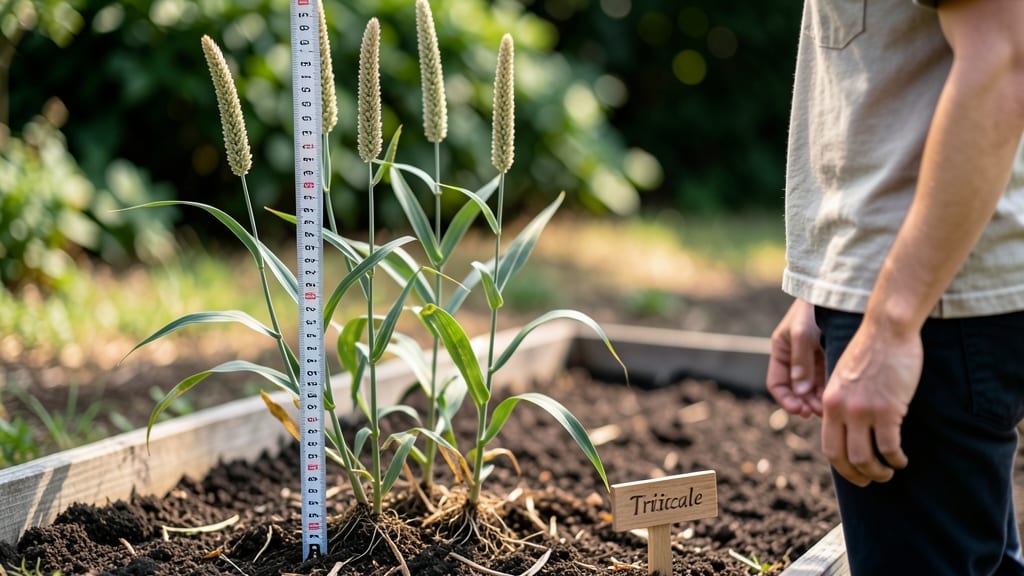
If you're wondering how tall does triticale grow, the answer might surprise you—this hardy grain can reach anywhere from 3 to 5 feet, depending on the variety and growing conditions.
Whether you're planting it for forage, grain, or biomass, understanding its mature height helps you plan spacing and yields more effectively.
Triticale, that versatile hybrid of wheat and rye, thrives in USDA Zone 6a and beyond, making it a great choice for gardeners and farmers alike.
The key to maximizing its height lies in proper soil preparation, spacing, and climate considerations—all of which we’ll break down so you can get the most out of your crop.
From dwarf varieties that stay under 3 feet to towering types that exceed 5 feet, the right choice depends on your goals. Need more space for livestock grazing?
Opt for the taller types. Prefer a compact, easy-to-harvest plant? Dwarf varieties are your best bet. Let’s explore how to grow triticale to its full potential.
Ready to dive in? You’ll learn how to adjust planting density, manage fertilization, and even prune for optimal height—so your triticale stands strong and productive from spring to harvest. Let’s get growing!

Triticale height ranges by variety: dwarf vs. standard vs. tall types
When planning your triticale crop, knowing the height range of each variety is essential for maximizing space and yield. Most triticale varieties mature between 3 to 5 feet, but dwarf and tall types can vary significantly.
For example, dwarf varieties like 'Puma' stay under 3 feet, making them ideal for small farms or mixed cropping systems.
Standard varieties, such as 'Banwell' or 'Rosner,' typically reach 4 to 5 feet at maturity, offering a balance between yield and space efficiency. Meanwhile, tall types like 'Titan' can exceed 5 feet, often grown for biomass or forage rather than grain production.
Your choice of variety directly impacts planting density, harvesting ease, and even disease resistance. For instance, shorter varieties are less prone to lodging (falling over), while taller types may require sturdier stems or additional support.
Here’s how triticale height breaks down by category, along with their best uses:
| Variety Type | Height Range | Best Use | Notes |
|---|---|---|---|
| Dwarf | 2–3 ft | Small farms, mixed cropping | Lower lodging risk, ideal for tight spaces. |
| Standard | 4–5 ft | Grain production, forage | Balanced height for yield and ease of harvest. |
| Tall | 5–6 ft | Biomass, silage | Requires strong stems; prone to lodging in wet climates. |
| Winter Triticale | 3–4 ft | Cold climates, cover crop | Hardier but may yield less in warm regions. |
| Spring Triticale | 4–5 ft | Grain, forage | Faster growth; ideal for shorter growing seasons. |
For home gardeners or small-scale farmers, dwarf varieties are often the best choice because they fit neatly into existing garden layouts while still delivering high yields per square foot. In contrast, tall varieties are better suited for large-scale operations focusing on biomass production or animal forage.
If you're growing triticale for grain, aim for standard-height varieties like 'Rosner,' which strike a balance between height and harvest efficiency. These varieties typically mature in 90–120 days, making them ideal for regions with shorter growing seasons.
One key factor influencing height is soil fertility. Over-fertilizing with nitrogen can lead to excessive growth, increasing the risk of lodging—especially in taller varieties. Always test your soil before planting to ensure you’re providing the right nutrients without overdoing it.
Climate also plays a role: cooler regions may see slightly shorter plants due to slower growth, while warmer climates can produce taller, more vigorous triticale. Adjust your planting density accordingly to avoid overcrowding or wasted space.
For example, in USDA Zone 5, where winters are harsh, winter triticale varieties (3–4 ft tall) thrive and provide early-season forage. In Zone 8, taller spring varieties (4–5 ft) perform better due to longer growing seasons.
Understanding these height variations helps you select the right variety for your goals—whether it’s maximizing grain yield, forage production, or fitting the crop into a small garden space.
Triticale height ranges by variety: dwarf vs. standard vs. tall types
When planning your triticale crop, knowing the height range by variety is essential. Most triticale varieties mature between 3 to 5 feet, but dwarf types can stay under 3 feet, while tall biomass varieties may exceed 5 feet. The right variety ensures optimal yield and space efficiency.
Winter triticale varieties typically reach 4 to 5 feet, making them ideal for forage production. Spring varieties often grow slightly shorter, around 3 to 4 feet, while hybrid varieties can vary widely depending on breeding goals.
For small farms or home gardens, dwarf varieties like 'Pioneer 38R22' stay under 3 feet, perfect for tight spaces. Meanwhile, tall varieties like 'Triton' can reach 5 to 6 feet, ideal for biomass or cover crop applications.
| Variety Type | Height Range | Best For | Notes |
|---|---|---|---|
| Dwarf Varieties | 2-3 ft | Small farms, home gardens | Compact growth, easy to harvest |
| Standard Varieties | 3-4 ft | Grain production, forage | Balanced height for yield |
| Tall Varieties | 5-6 ft | Biomass, cover crops | High yield but needs support |
| Winter Triticale | 4-5 ft | Forage, cold climates | Hardy, cold-resistant |
Choosing the right variety depends on your climate and goals. In cooler regions, taller varieties may struggle with lodging, while dwarf types thrive in compact spaces. Always check seed packets for specific height expectations.
For maximum yield, ensure your variety matches your soil and rainfall. Tall varieties need richer soil to support their height, while dwarf types adapt well to poorer conditions. Always test your soil before planting!
If you're growing triticale for grain or forage, standard varieties usually offer the best balance. For biomass or cover crops, taller varieties provide more material per acre. Plan accordingly to avoid overcrowding or wasted space.
🌾