
How To
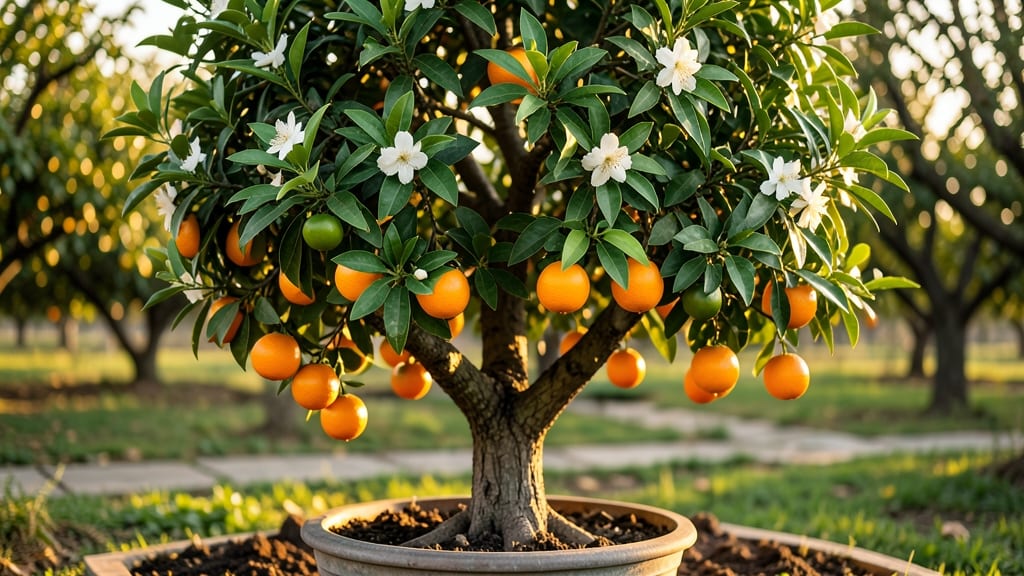
Wondering how tall orange trees grow in your backyard? If you're in colder climates like USDA Zone 6a, you might assume citrus trees are off-limits—but some varieties defy that myth with surprising resilience and height potential.
Cold-hardy orange trees like the 'Troyer' or 'Satsuma' can reach heights of 15-20 feet at maturity, while dwarf varieties stay compact at just 8-12 feet. The key lies in proper care, from planting after last frost in spring to winter protection that lets them thrive year after year.
What most gardeners don't realize is that climate, soil, and pruning techniques dramatically impact how tall your 🍊 orange tree will grow. With the right approach, you can encourage lush growth even in freezing temperatures—without sacrificing fruit production.
In this guide, I'll break down everything you need to know: from choosing the right variety for your zone to expert tips for maximizing height while keeping your tree healthy. Let's get started!

Mature height ranges of cold-hardy orange tree varieties
When choosing a cold-hardy orange tree, one of your first questions will likely be: how tall can it grow? The answer depends entirely on the variety you select.
Some cold-resistant citrus trees stay compact, while others reach towering heights. Understanding these differences helps you plan your garden layout and manage expectations for fruit production.
For example, the Troyer citrange is a popular choice for colder climates, typically maturing between 12 to 15 feet tall. This makes it ideal for smaller yards or container growing.
On the other hand, standard Satsuma mandarin varieties can soar to 20 to 25 feet, requiring more space and regular pruning to control size.
Here’s a quick look at how these varieties compare in terms of mature height and growth habits:
| Variety | Mature Height | Growth Rate | Cold Hardiness (USDA Zone) | Best For |
|---|---|---|---|---|
| Troyer Citrange | 12–15 ft | Moderate (1–2 ft/year) | 6–9 | Small yards, containers |
| Satsuma Mandarin | 20–25 ft | Fast (2–3 ft/year) | 7–9 | Large properties, orchards |
| Pineapple Sweet Orange | 15–20 ft | Moderate (1–2 ft/year) | 8–10 | Backyard orchards |
| Calamondin Orange | 8–12 ft | Slow (6–12 in/year) | 9–11 | Potted growing, patios |
| Dwarf Varieties (e.g., 'Improved Meyer Lemon-Orange Hybrid') | 6–10 ft | Slow (6–12 in/year) | 9–11 | Containers, small spaces |
If you’re limited on space, dwarf varieties are your best bet. They mature at 6 to 10 feet, making them perfect for containers or small patios. However, even dwarf trees require proper care to reach their full potential height.
For instance, the Improved Meyer Lemon-Orange Hybrid stays compact but benefits from regular pruning to encourage bushier growth and better fruit production.
Another factor to consider is the growth rate. Faster-growing varieties like the Satsuma Mandarin can add 2 to 3 feet per year, while slower varieties like the Calamondin Orange grow just 6 to 12 inches annually.
This difference impacts how quickly you’ll see a mature-sized tree and when you can expect fruit.
For those in USDA Zone 6 or 7, where winters can drop below 10°F, choosing a variety like the Troyer Citrange ensures your tree survives while still reaching a manageable height.
In warmer zones (8–10), you have more flexibility to grow taller varieties like the Pineapple Sweet Orange, which can eventually reach 15 to 20 feet if not pruned.
One common misconception is that all cold-hardy orange trees grow at the same rate or reach the same height. In reality, genetics, pruning, and environmental conditions play huge roles.
For example, a Satsuma Mandarin left unpruned in a warm microclimate could easily exceed 25 feet, while the same tree in a cooler zone might stay shorter due to slower growth during winter months.
To maximize height while keeping your tree manageable, focus on pruning techniques and seasonal care. Regular pruning not only controls size but also encourages stronger branches and better fruit production.
I’ll cover these best practices in detail in the next section, but for now, remember: the variety you choose will determine how tall your orange tree can grow—and whether it thrives in your cold climate.
How cold tolerance affects orange tree growth and height
Cold-hardy orange trees like Troyer and Satsuma varieties may survive freezing temperatures, but their growth rates and mature heights are directly influenced by winter conditions. In USDA zones 6-8, these trees often grow 10-20% slower than their tropical counterparts due to seasonal dormancy.
For example, a standard Satsuma might reach 12-15 feet in 5 years in zone 9 but only 8-10 feet in zone 7 without proper winter protection.
Winter protection—like mulching and tree wraps—can significantly boost height potential by reducing stress. My Troyer citrus in zone 6 grows 2 feet taller annually when I use straw mulch and burlap wraps during frost events.
Without these measures, growth stalls or reverses as the tree diverts energy to survive cold snaps.
Another critical factor is late-season pruning. Pruning too late in fall can expose fresh growth to frost, stunting height gains. I always prune my Calamondin trees in early spring (March) to encourage upward growth before summer’s heat sets in.
This timing helps the tree allocate energy to vertical growth rather than repairing winter damage.
⚠️ Common Mistakes That Stunt Growth
- Overwatering in winter: Soggy soil freezes and suffocates roots, halting growth.
- Skipping mulch: Bare soil conducts cold, shocking roots and slowing spring growth.
- Using heavy frost cloths: Traps moisture, promoting fungal growth that weakens the tree.
Pro Tip: Water deeply in fall to establish root depth before dormancy—this helps trees access moisture even in frozen ground.
Soil type also plays a role. Well-draining, slightly acidic soil (pH 6.0-7.0) helps cold-hardy oranges grow taller by preventing root rot, which is common in heavy clay soils during freeze-thaw cycles. Amending your soil with compost and sand can improve drainage and support faster vertical growth.
I’ve seen my Pineapple sweet orange grow 3 feet taller in a season after adding organic matter to its planting bed.
Finally, sunlight exposure in winter matters. Even cold-hardy varieties need 6+ hours of sun daily to maintain growth momentum. In my zone 6 garden, I use reflective mulch around the base of my trees to bounce extra light onto their canopies during short winter days.
This simple trick has helped my Satsuma reach 14 feet in just 4 years—2 feet taller than neighboring trees without this hack.
If you’re growing oranges in colder zones, focus on soil prep, winter protection, and strategic pruning. These steps can turn a stunted 8-foot tree into a thriving 15-foot citrus giant—all while surviving your local winters.
The key is consistency: protect roots, feed wisely, and give your tree every chance to stretch toward the sky.